
A good pot of Southern Gumbo feeds more than hunger. It gathers people. The rich roux, the tender seafood, the smoky sausage, the bowl of rice on the table.
If you have been unsure about making a dark roux or how to layer the flavors, this Southern Gumbo Recipe will walk you through it in clear, simple steps. It is flexible, forgiving, and built for family life.

Updated July 18, 2026 – Tips and details added for gumbo base.
- What Makes This Southern Gumbo Work So Well
- Ingredients for Southern Gumbo
- Make the Roux: The Heart of Southern Gumbo
- Build the Pot: Southern Gumbo Recipe Steps
- Simple Tips for Southern Gumbo Recipes
- Make-Ahead, Leftovers, and Freezer Notes
- Southern Gumbo Recipe: Seafood, Sausage, and Roux Made Simple
- Make the Roux
- Build the Pot
- FAQs: Southern Gumbo Recipe Seafood and Sausage
- Why Southern Gumbo For Your Homestead Kitchen?
What Makes This Southern Gumbo Work So Well
We start with a deep, chocolate-colored roux that sets the base for flavor. Then we build with the “trinity” of onion, celery, and bell pepper, a solid chicken bone broth, and a mix of seafood with smoked sausage. The spice blend is a starting point. Taste as it simmers and adjust for your people. This recipe is a framework you can make your own. (Want to make your own bone broth? You can use the directions for making How to Make Turkey Bone Broth here.)
Ingredients for Southern Gumbo
Roux
- 1 cup flour
- 2⁄3 to 1 cup avocado oil (or your preferred oil)
Gumbo Base
- 1 large onion, diced
- 1 bell pepper, diced
- 6 cloves garlic, smashed and finely chopped
- 3 cups chopped okra
- 2 cups celery, chopped
- 12 cups chicken bone broth (or chicken broth), reserve 1 cup separately
- 3 cans chopped clams, 6.5 oz each
- 16 oz wild-caught crab meat
- 2 lbs crawfish meat, wild-caught
- 2 lbs extra-large shrimp, wild-caught, cut in half
- 1 lb smoked beef sausage, sliced (no nitrates if possible)
Seasonings
It’s your choice on this part. Use what you have and swap as needed. Want chicken instead of crawfish? Add it. Here’s a few ideas to get you going:
- 2 Tbsp paprika
- 2 tsp garlic powder
- 1 Tbsp onion powder
- 1 Tbsp dried thyme
- 1 Tbsp black pepper
- 2 tsp cayenne pepper
- Real salt to taste
To Serve
- Hot cooked rice
Make it your own! Use what you have and swap as needed. Want chicken instead of crawfish? Add it. Want less heat? Cut the cayenne. This is a living family recipe, ours changes from time to time with our tastes. What are some of your family’s favorite flavors? Homestyle cooking is just that, all about your home, so don’t be afraid to experiment once you have the base recipe in hand.

Make the Roux: The Heart of Southern Gumbo
Roux asks for patience. Don’t attempt any other task while you are making the Roux! Learn from my mistake on this one and save yourself from starting over. Plan for 30 to 45 minutes at the stove with steady, constant stirring at the last stage. It is worth it.
- Set a heavy stockpot over medium-low heat. Add the oil, then the flour. Cook it as if you were making flour gravy.
- Stir and scrape constantly with a flat wooden spoon or whisk. Do not walk away especially at the last stages, you will have to stir it continuously. Watch it carefully, at this stage it will burn if you don’t keep it stirred.
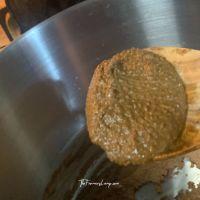
- The roux will move from blonde to peanut to brown to dark chocolate. Stop at dark chocolate. You want the texture of moist, soft cookie dough.
- Adjust with a splash of oil or a sprinkle of flour to get the right consistency.
- Once you have the consistency, remove from heat.
- Whisk in 11 cups of the chicken broth, holding back 1 cup for deglazing the skillet. Whisk until silky with no lumps.
Tip: The darker the roux, the deeper the flavor. If it smells scorched, toss it and start again. Burnt roux will make the whole pot bitter.


Build the Pot: Southern Gumbo Recipe Steps
- Brown the sausage. In a large skillet over medium heat, brown the sliced sausage 3–4 minutes per side. Remove to a plate.
- Sauté the trinity. In the same skillet, add onion, celery, and garlic. Cook until tender but not browned. Be sure not to let your garlic brown, just get them good and hot.
- Deglaze. Pour in the reserved 1 cup chicken broth, to the skillet and scrape the bottom it well to get all the bits and pieces from the sausage incorporated.
- Then slide everything into the roux pot.
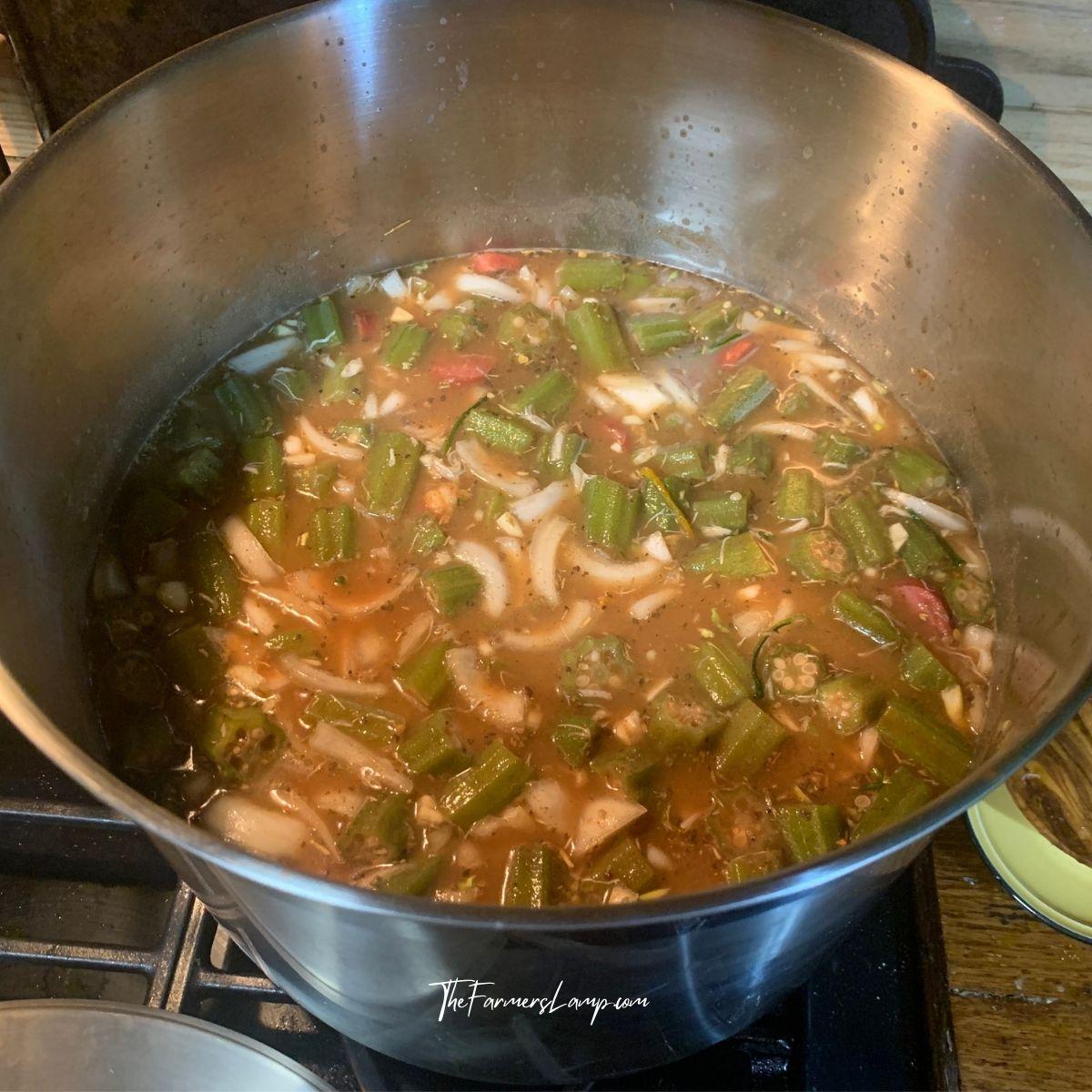
- Add all the other ingredients to the pot. Stir in bell pepper, okra, clams, crab, crawfish, and shrimp. Return the sausage to the pot.
- Now for the seasonings! Add paprika, garlic powder, onion powder, thyme, black pepper, cayenne, and Real Salt. Note: The amounts of these seasonings can be adjusted to suit your tastes. I tweak them to our taste after the gumbo has simmered for a while. These are just the starting points.
- Simmer. Bring just to a gentle simmer. Cook 30–45 minutes to meld flavors. Taste and adjust salt and heat.
- Cook the Rice. While you wait for the gumbo to simmer, cook your rice. You can use whichever rice you prefer, we tend to use brown rice as a health choice and use Lundberg brand.
- Serve your finished Southern Gumbo over hot rice and enjoy!

Simple Tips for Southern Gumbo Recipes
- Keep the roux moving. Slow and steady heat prevents scorching and gives the pot its deep color.
- Okra matters. Okra helps with body. If you prefer less thickness, reduce okra or add it later.
- Seafood timing. Add shrimp near the end if using smaller sizes so they stay tender.
- Spice to taste. Start with the listed spice blend, then add more cayenne or black pepper if you like it bolder.
Learn a new tip or have a question as you try this recipe? Please add to the comments below to share with others; we all learn from one another at The Farmers Lamp!
Make-Ahead, Leftovers, and Freezer Notes
- Make-ahead roux: Cook the roux up to 5 days in advance. Store it in a glass bowl with a tight lid in the fridge until you’re ready to use it. Heat it up and follow the above instructions.
- Ready-made seasonings: You can use a ready-made Cajun Seasoning mix if you prefer.
- Next-day flavor: Gumbo tastes even better on day two as the flavors settle.
- Modifications: Remember, you can add or remove the meat or other seasoning to make it the way your family will enjoy.
- Fridge: Store up to 4 days in a covered container. I make it one day, and we eat a bowl for lupper (our second meal of the day between lunch and supper since we only eat two meals a day). On day three, I divide the remaining gumbo into meal portions in freezer-safe containers and freeze for later use.
- Freezer: Portion into meal-size containers and freeze 3 to 4 months. Thaw overnight in the fridge and reheat slowly on the stove

Southern Gumbo Recipe: Seafood, Sausage, and Roux Made Simple
Ingredients
- 1 cup Flour
- ⅔ – 1 cup Avocado Oil (or your preferred oil)
Gumbo Base
- 1 large onion , diced
- 1 bell pepper , diced
- 6 cloves garlic , smashed and finely chopped
- 3 cups okra , chopped
- 2 cups celery , chopped
- 12 cups chicken bone broth (or chicken broth) , reserve 1 cup separately
- 3 cans chopped clams, 6.5 oz each
- 16 ounce wild-caught crab meat
- 2 pounds crawfish meat, wild-caught
- 2 pounds extra-large shrimp, wild-caught, cut in half
- 1 pounds smoked beef sausage, sliced (no nitrates if possible)
Seasonings
- 2 tablespoons Paprika
- 2 teaspoons Garlic Powder
- 1 tablespoon Onion Powder
- 1 tablespoon Dried Thyme
- 1 tablespoon Black Pepper
- 2 teaspoons Cayenne Pepper
- Real Salt , to taste
To Serve
- Rice , white or brown as preferred
Instructions
Make the Roux
- Set a heavy stockpot over medium-low heat. Add the oil, then the flour. Cook it as if you were making flour gravy.
- Stir and scrape constantly with a flat wooden spoon or whisk. Do not walk away especially at the last stages, you will have to stir it continuously. Watch it carefully, at this stage it will burn if you don’t keep it stirred.
- The roux will move from blonde to peanut to brown to dark chocolate. Stop at dark chocolate. You want the texture of moist, soft cookie dough.
- Once you have the consistency, remove from heat.
- Whisk in 11 cups of the chicken broth, holding back 1 cup for deglazing the skillet. Whisk until silky with no lumps.
Build the Pot
- Brown the sausage. In a large skillet over medium heat, brown the sliced sausage 3–4 minutes per side. Remove to a plate.
- Sauté the trinity. In the same skillet, add onion, celery, and garlic. Cook until tender but not browned. Be sure not to let your garlic brown, just get them good and hot.
- Deglaze. Pour in the reserved 1 cup chicken broth, to the skillet and scrape the bottom it well to get all the bits and pieces from the sausage incorporated.
- Then slide everything into the roux pot.
- Add all the other ingredients to the pot. Stir in bell pepper, okra, clams, crab, crawfish, and shrimp. Return the sausage to the pot.
- Now for the seasonings! Add paprika, garlic powder, onion powder, thyme, black pepper, cayenne, and Real Salt. Note: The amounts of these seasonings can be adjusted to suit your tastes. I tweak them to our taste after the gumbo has simmered for a while. These are just the starting points.
- Simmer. Bring just to a gentle simmer. Cook 30–45 minutes to meld flavors. Taste and adjust salt and heat.
- Cook the Rice. While you wait for the gumbo to simmer, cook your rice. You can use whichever rice you prefer, we tend to use brown rice as a health choice and use Lundberg brand.
- Serve your finished Southern Gumbo over hot rice and enjoy!
Notes
- Make-ahead roux: Cook the roux up to 5 days in advance. Store it in a glass bowl with a tight lid in the fridge until you’re ready to use it. Heat it up and follow the above instructions.
- Fridge: Store up to 4 days in a covered container. I make it one day, and we eat a bowl for lupper (our second meal of the day between lunch and supper since we only eat two meals a day). On day three, I divide the remaining gumbo into meal portions in freezer-safe containers and freeze for later use.
- Freezer: Portion into meal-size containers and freeze 3 to 4 months. Thaw overnight in the fridge and reheat slowly on the stove
Nutrition
FAQs: Southern Gumbo Recipe Seafood and Sausage

Why Southern Gumbo For Your Homestead Kitchen?
It stretches to feed a crowd, uses bone broth you may already make, and welcomes swaps based on what is in season or on hand. You can scale it up for gatherings or down for a small family supper. The base skills of being patient with the roux, a steady simmer, and adjusting taste carry into many soups and stews you will make all year.
Want more homestyle cooking recipes like this one? Become a Friend of the Farmer’s Lamp for free – Join The Farmer’s Lamp newsletter to get homestead support from folks just like you.