Have you ever wanted a breakfast that feels homemade, hearty, and just a little bit better for you? These spelt flour pancakes might be just what your kitchen needs.
There’s something comforting about standing over a warm griddle, flipping pancakes while the house slowly wakes up. If you’ve ever struggled with heavy or bland pancakes, switching to spelt flour can be a small change that makes a big difference.
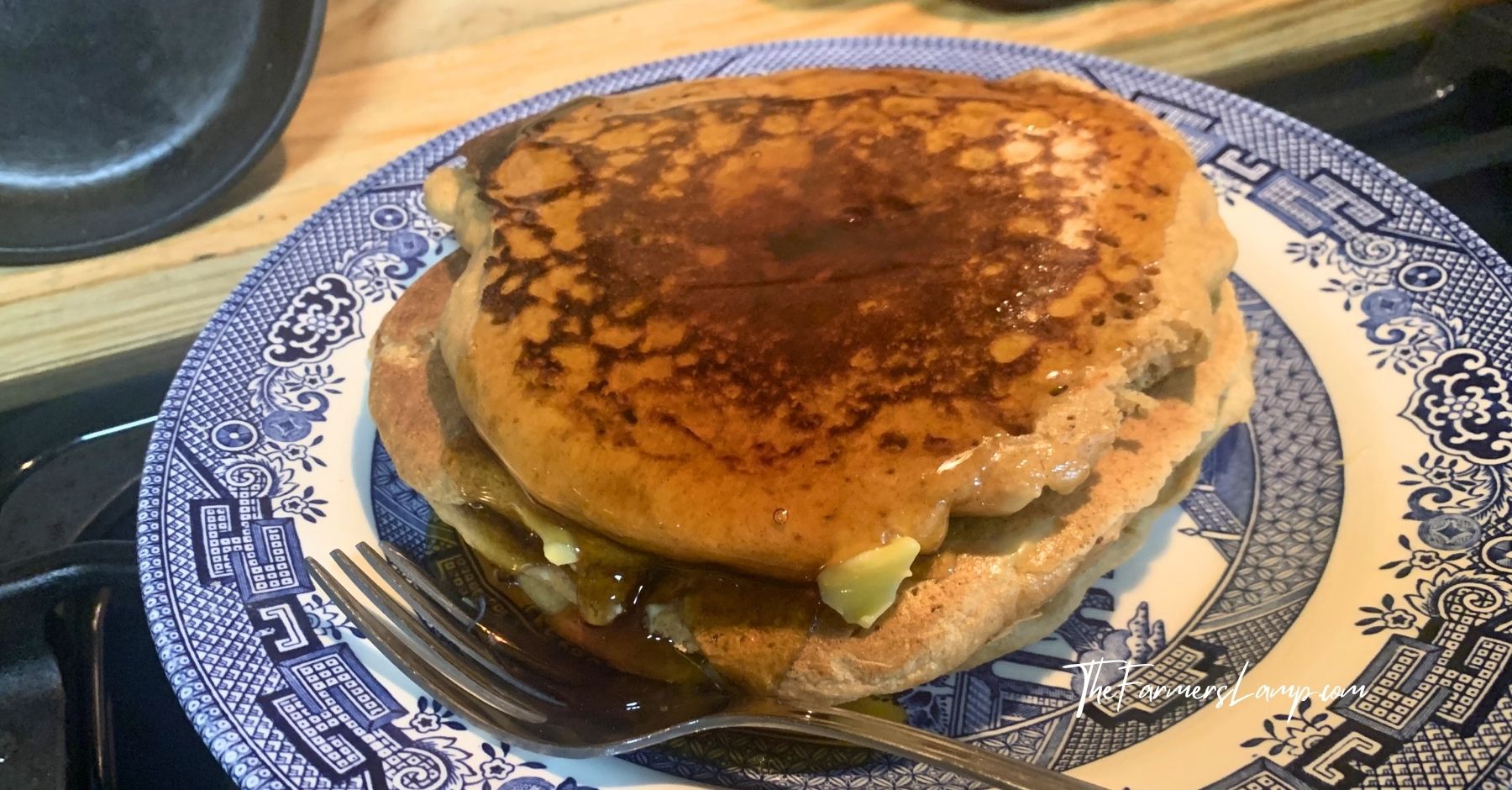
- Spelt Flour Pancakes for Simple, Wholesome Mornings or Any Time of Day
- Simple Ingredients for Spelt Flour Pancakes
- Tips for the Best Spelt Flour Pancakes
- Easy Ways to Change Up Spelt Flour Pancakes
- Storing and Freezing
- A Little Encouragement from My Kitchen
- Wholesome Spelt Flour Pancakes Made Simple
- Frequently Asked Questions About Spelt Flour Pancakes
- Making Spelt Flour Pancakes Part of Your Homestead Rhythm
Spelt Flour Pancakes for Simple, Wholesome Mornings or Any Time of Day
Spelt is an old grain, one folks have used for centuries. For some people, it’s a little easier on the stomach than modern wheat and brings a mild, nutty flavor to every recipe.
When you make spelt flour pancakes, you’ll notice:
- A softer texture when handled right
- A richer, slightly nutty taste
- A more wholesome feel compared to standard pancakes
It’s not fancy. It’s just simple, honest food.
Simple Ingredients for Spelt Flour Pancakes
You don’t need much to get started, and that’s part of the beauty.
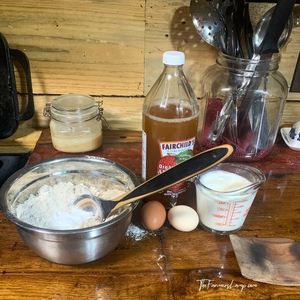
- 1 cup spelt flour
- 2 teaspoons baking powder
- 1 teaspoon salt
- 1 large egg
- ½ cup buttermilk (or milk if needed)
- ½ cup water (adjust as needed)
- Oil or bacon grease for the griddle
- Butter and syrup for serving
That’s it. Real food, real simple.
How to Make Spelt Flour Pancakes
Making spelt flour pancakes is easy, but a few small things can make all the difference.
- Preheat Your Griddle. A steady, hot surface is key. Not too hot, not too cool. If a drop of water dances on your cast-iron griddle, you’re just right.
- Stir together the dry ingredients. If you don’t use a sifter, you can whisk them or thoroughly mix them using a spoon.
- Add the egg, milk, and about half of the water. Mix them until the egg is well combined. Add a little more water at a time until you reach the desired consistency.
- Tip: Stir Gently. Don’t overmix. Pancake batter with a few lumps is just fine. Stirring too much can leave you with flat pancakes.
- Cook on a Lightly Oiled Griddle: If you use a well-seasoned cast-iron griddle, you may not need to oil it. Sometimes I drop a little bacon grease on it just before I pour the batter for crispy edges; my husband likes that.
- Pour your batter onto the griddle according to the size you like your pancakes.
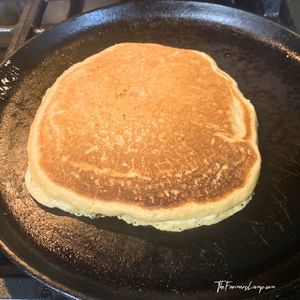
- Watch for the bubbles to know when to flip it. When bubbles rise in the middle of the pancake, and the edges start to set, it’s time to flip the spelt flour pancake.
- Because every stove and griddle is different, not to mention altitude, there’s no real way to tell you in minutes when to flip pancakes.
- The second side cooks faster, so cook it just until golden. You can flip or lift it to check the goldenness.
- Finish with Butter.
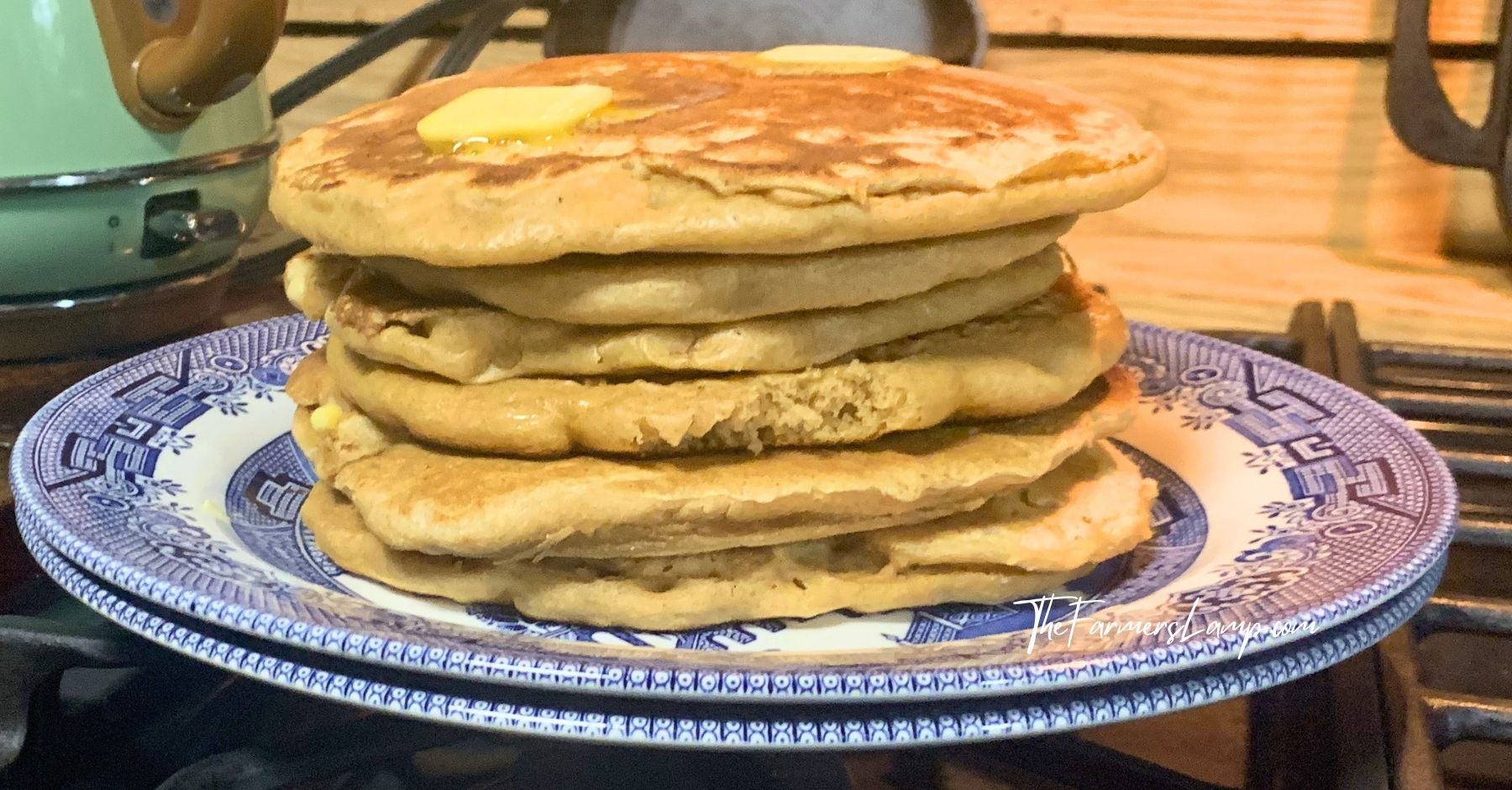
- When you take a pancake off the pan, make a small dent in the center and drop in a pat of butter. It melts right in and makes every bite better.
- My husband likes me to stack his, then cut a hole in the middle of his stack, drop two or three pats of butter in, and pour syrup into the hole and over the top of the spelt flour pancakes.
- Serve hot!
Tips for the Best Spelt Flour Pancakes
Over the years, you pick up a few tricks that make things easier.
- Adjust thickness: Thicker batter makes thicker pancakes. If you like thin pancakes, just add more milk and/or water.
- Don’t rush the heat: A steady griddle beats a hot one
- Expect the first pancake to fail: It’s an accepted phenomenon. Who can explain it? I always add this one to my stack so no one knows how ugly it is.
- Use what you have: Milk or even water works if needed. Here’s how you can make your own buttermilk.
- Don’t save the batter: Use it fresh, it just doesn’t keep because of the baking powder losing its power.
And here’s one worth remembering—simple food doesn’t need to be perfect to be good.
Easy Ways to Change Up Spelt Flour Pancakes
Once you’ve got the basics down, you can make these your own. Try adding:
- Chocolate chips for a treat
- Mashed or pureed fruit in the batter
- Fresh fruit on top instead of syrup
- Whipped cream on the fruit or just by itself
- A drizzle of honey for a lighter touch
- Sprinkle a little powdered sugar for a special, sweet treat
Pancakes are forgiving. That could be why they’ve stuck around so long.
Storing and Freezing
If you’ve got leftovers (which doesn’t always happen), you can:
- Freeze pancakes for up to a month. Be sure to place a piece of parchment paper between each one.
- Thaw and warm them when needed
They won’t go to waste, and they make quick breakfasts on busy mornings.
A Little Encouragement from My Kitchen
If you’re new to making spelt flour pancakes, don’t worry about getting everything just right the first time. A first time is an experiment, no matter what recipe you are trying! And none of us has a perfect score of perfectly made anything… myself included! If my pans could talk, they’d be telling you some stories of burnt pancakes from my trying a bit too much multitasking at once. I know I’m not alone in that common learning lesson!
Cooking from scratch is something you learn by doing. A batch might be a little thick or a little thin, but each time you make them, you’ll get a feel for it.
If you enjoy this kind of simple, from-scratch cooking, you might like browsing the recipes and guides over at The Farmer’s Lamp. There’s a whole community of folks here learning right alongside you.
And if you’ve got a favorite way to make your pancakes, I’d sure love to hear about it.
For more on whole grains and their benefits, you might find this helpful: Harvard Nutritional Studies
Wholesome Spelt Flour Pancakes Made Simple
Equipment
- 1 Sifter If you don't use a sifter, you can whisk them or mix thoroughly with a spoon
Ingredients
- 1 cup Spelt Flour
- 2 teaspoons Baking Powder
- 1 teaspoon Salt
- 1 large Egg
- ½ cup Buttermilk (or Milk, if needed)
- ½ cup Water (adjust as needed)
- Oil or Bacon Grease for the griddle
- Butter and syrup for serving
Instructions
- Preheat Your Griddle. A steady, hot surface is key. Not too hot, not too cool. If a drop of water dances on your cast-iron griddle, you’re just right.
- Stir together the dry ingredients. If you don’t use a sifter, you can whisk them or thoroughly mix them using a spoon.
- Add the egg, milk, and about half of the water. Mix them until the egg is well combined. Add a little more water at a time until you reach the desired consistency
- Cook on a Lightly Oiled Griddle: If you use a well-seasoned cast-iron griddle, you may not need to oil it. Sometimes I drop a little bacon grease on it just before I pour the batter for crispy edges; my husband likes that.
- Pour your batter onto the griddle according to the size you like your pancakes.
- Watch for the bubbles to know when to flip it. When bubbles rise in the middle of the pancake, and the edges start to set, it’s time to flip the spelt flour pancake.
- The second side cooks faster, so cook it just until golden. You can flip or lift it to check the goldenness.
- Finish with Butter. When you take a pancake off the pan, make a small dent in the center and drop in a pat of butter. It melts right in and makes every bite better.
- Serve hot!
Notes
Remember: Simple food doesn’t need to be perfect to be good!
- Adjust thickness: Thicker batter makes thicker pancakes. If you like thin pancakes, just add more milk and/or water.
- Don’t rush the heat: A steady griddle beats a hot one
- Expect the first pancake to fail: It’s an accepted phenomenon. Who can explain it? I always add this one to my stack so no one knows how ugly it is.
- Use what you have: Milk or even water works if needed. Here’s how you can make your own buttermilk.
- Don’t save the batter: Use it fresh, it just doesn’t keep because of the baking powder losing its power.
Nutrition
Frequently Asked Questions About Spelt Flour Pancakes
Making Spelt Flour Pancakes Part of Your Homestead Rhythm
Once you get the hang of making spelt flour pancakes, they tend to become more than just a breakfast; they settle right into your weekly rhythm.
On our homestead, pancakes aren’t just for slow weekends. They show up on busy mornings, after long days, and even as a simple supper when we need something filling without a fuss. That’s the beauty of spelt flour pancakes: they’re flexible, dependable, and made from ingredients you likely already have on hand.
If you’re working toward a more self-reliant kitchen, this recipe fits right in. Spelt flour stores well, and the rest of the ingredients are simple staples. When you keep these basics stocked, you’re never far from a warm meal. A well-stocked pantry makes from-scratch cooking feel easy instead of overwhelming.
Try to keep:
- Spelt flour in an airtight container
- Baking powder and salt on hand
- Eggs from your flock or a trusted local source
- Milk or buttermilk (or a simple substitute), or make your own by adding a tsp of apple cider vinegar to whole milk.
Make It a Family Habit
Pancake mornings can become something your family looks forward to.
- Let children help stir the batter (lumps and all)
- Teach them when to flip by watching the bubbles
- Share stories while you cook together
These small moments matter more than perfect pancakes ever will.
Use What You Have, Waste Nothing
One of the old ways of cooking is learning to use what’s already in your kitchen. Leftover bits can easily find their way into your pancakes:
- A mashed banana that’s too soft to eat
- A handful of berries that need to be used
- Even a spoonful of leftover cooked grains
You’ll find your own rhythm, how thick you like your batter, how hot your griddle should be, and just when to flip without even thinking about it.
And one day, without even noticing, it won’t feel like a recipe anymore. It’ll just be something you do, and that’s an amazing thing!
Want more homestyle cooking recipes like this one? Become a Friend of the Farmer’s Lamp for free – Join The Farmer’s Lamp newsletter to get homestead support from folks just like you.