If you’ve ever stood in the hardware aisle wondering what you really need, this is for you. Let’s list garden tools that earn their keep—no clutter, no gimmicks. These are the tools my family has leaned on for generations: sturdy, safe, easy to maintain, and sized for real bodies doing real work. I’ll also share how to pick the right version for your soil, hand strength, and space, plus a few tricks to stretch your budget.
In This Post
List Garden Tools: A Homesteader’s Kit That Actually Works
Why a Short, Honest List Beats a Big One
A tight kit saves time, money, and energy. The right hand trowel beats three flimsy ones. A sharp hoe and a good spade turn hours of frustration into a half-hour of satisfying work. When we list garden tools here, we choose the few that give you the most results per dollar and per minute of effort.
The Core Six: Start Here – Essential Gardening Tools
Here’s a rundown of the must-have tools for any gardener, whether you’re a beginner or a seasoned pro:
- Gloves
Your first line of defense. Choose snug, breathable gloves with a bit of grip; long cuffs protect wrists from scratches and sun. Keep two pairs: a lighter pair for seedling work and a tougher pair for thorny jobs. Hang them to dry—don’t bake them in the sun on the fence.
Recommendation: Foxgloves are a great option—they’re water-resistant, breathable, and fit like a second skin. - Pruning Shears (Secateurs)
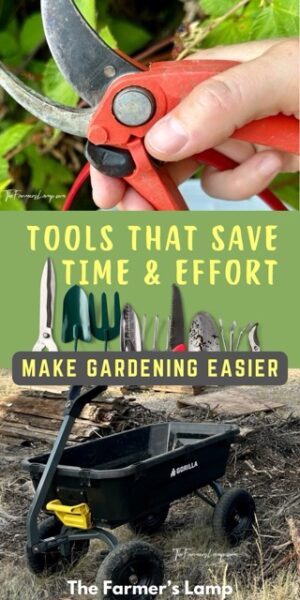
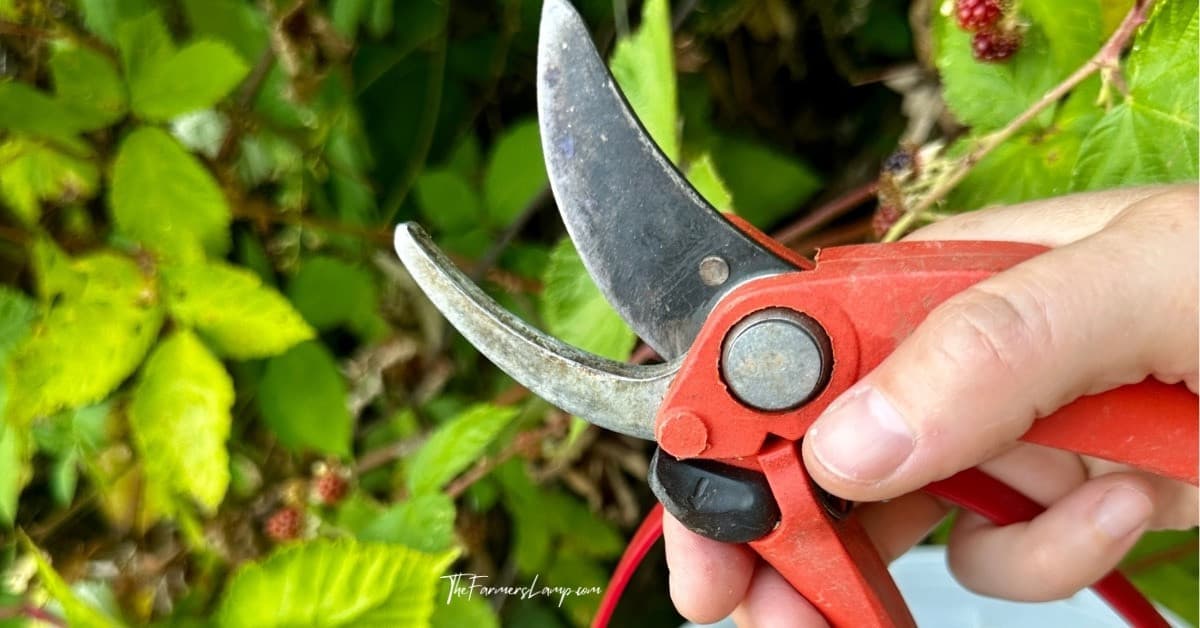
Bypass pruners for live stems; anvil style for dead wood. If your hands tire easily, try ratcheting pruners. Keep a small honing tool in the caddy and touch up the edge often—clean cuts heal faster and keep disease down.
Tip: Keep your pruners sharp for clean cuts and healthier plants. Fiskars is a high-quality brand we like. - Garden Fork
For loosening beds, lifting roots, turning compost, and working rocky soil, nothing beats a square-tined fork. It gets under the soil without smearing it like a shovel can. If your soil is heavy clay, you’ll use this weekly.
Recommendation: The Radius Garden 203 Pro Ergonomic Steel Digging Fork is a favorite for its rust-resistant tines and comfortable grip. - Hand Trowel
The pocketknife of the garden. Look for a stainless or carbon-steel blade with a comfortable handle. Use it for transplanting, potting, lifting small weeds, and digging labels into the soil. A narrow “tulip” style slips between roots; a wider one moves soil fast.
Recommendation: The Burpee 13″ Stainless Steel Trowel is sturdy and perfect for planting bulbs. - Spade
A flat-edged spade is for edging, trenching, and precise digging; a round-point shovel moves bulk soil and mulch. If you can only buy one, choose the round-point with a sturdy D-handle—it’s the workhorse for new beds and hauling jobs.
Recommendation: The King of Spades Model 38 Balling Spade is virtually unbreakable and has a sharp edge for tough jobs. - Hoe
Match the hoe to your weeding style. A wide draw hoe for row crops; a stirrup (oscillating) hoe to “skim” young weeds at the surface; a thin collinear hoe to slide between close plants. Sharp matters more than brand—touch up the edge and weeds will pop out like carrots.
Recommendation: The Rogue Garden Hoe 575G has a sharp, tempered steel head that works at all angles.
Nice-to-Haves That Earn Their Keep
- Watering Can or Hose with Wand
A good watering can is essential for keeping your plants hydrated. Plastic cans are lightweight, while metal cans are more durable. Choose one with a comfortable handle and a removable sprinkler head for versatility. A 2-gallon can for seedlings and containers; a hose + wand for beds. A removable rose (sprinkler head) lets you switch between a gentle shower and a steady pour.
Recommendation: The Bloem Deluxe Watering Can is BPA-free, has a 2-gallon capacity, and a dual-handle design for easy pouring. - Wheelbarrow or Garden Cart
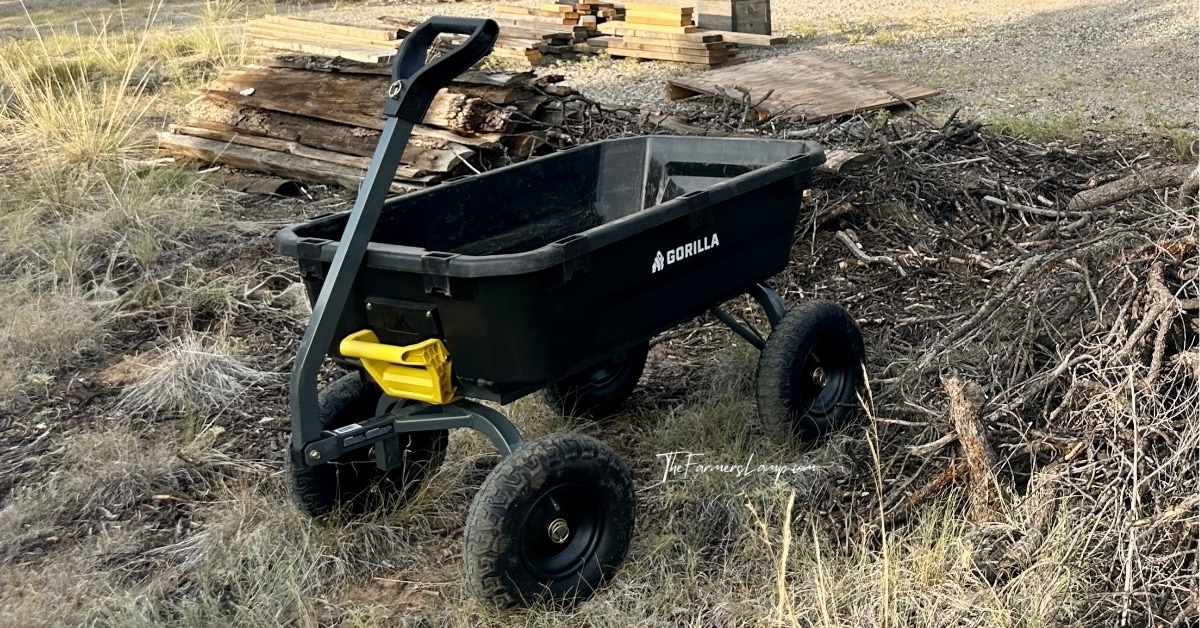
For heavy lifting—like moving soil, compost, or mulch—a wheelbarrow is a game-changer. One wheel turns tighter; two wheels are more stable. If your paths are rough or sloped, a two-wheel cart saves your shoulders and spills.
Recommendation: The Garden Star Garden Barrow is lightweight, easy to maneuver, and perfect for hauling heavy loads. For convenience and an ever-growing list of uses around the property, I like the 4-wheeled Gorilla Cart with a dump bed feature. - Rake (Leaf and Garden)
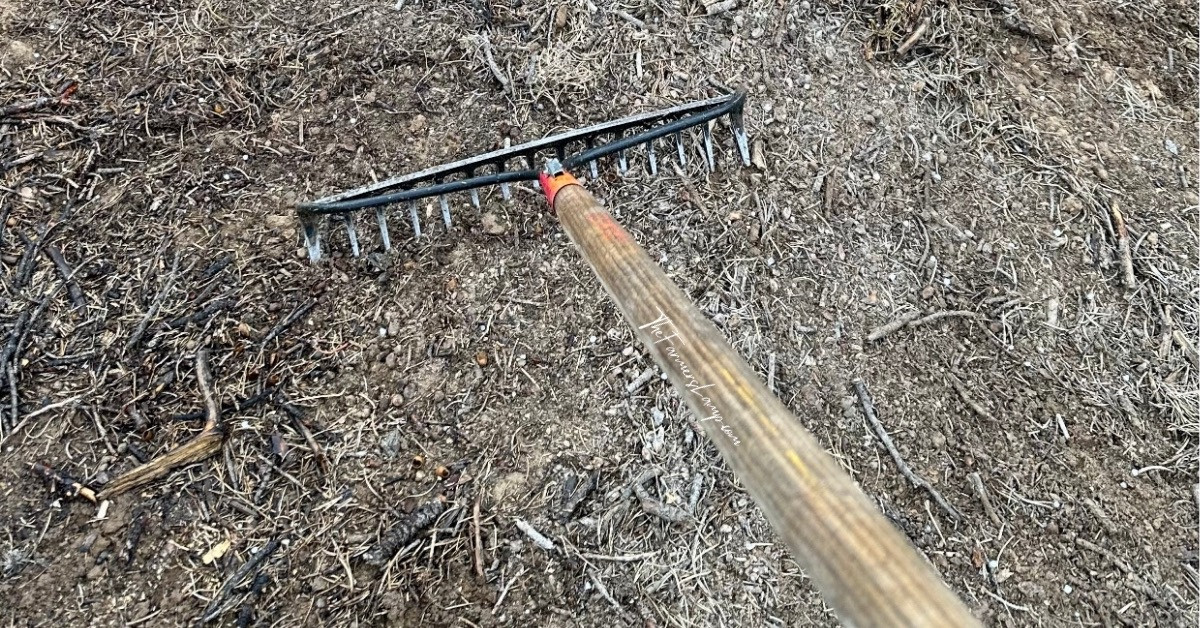
A flexible leaf rake for leaves and straw mulch; a stiff garden rake (bow rake) for leveling beds and pulling soil. You can even use the stiff rake for leveling out gravel on projects like setting a new garden shed.
Recommendation: These are often easy to find second hand, but if you’re looking to buy new – Check out Fiskar’s rake head and then add your preferred handle type! - Long-Handled Cultivator
Three-tine cultivators rough up crusted soil, mix in compost, and uproot thread-stage weeds fast.
Recommendation: These have come out with telescoping handles like this one, or find a solid handle for when you have hardened soil you know you’ll be working over.
How to Choose the Right Tool (Fit Matters)
Why the Right Tools Matter
The right tools don’t just make gardening easier—they make it more enjoyable. With the right equipment, you can spend less time struggling and more time enjoying the fruits (and veggies!) of your labor. Plus, well-maintained tools will last for years, making them a worthwhile investment for any gardener.
Handle length: For long tools, the top should reach about your armpit; too short strains your back, too long is clumsy.
Grip: If your hands ache, look for a slightly thicker handle or add a cushioned grip.
Weight: Heavier isn’t always better; you should be able to swing and lift without fatigue.
Soil type: Rocky/clay soils need strong steel and square tines; sandy soils are gentler on tools.
Build Your Budget (and Avoid Regret)
A tool that breaks after a short time is worse than no tool at all!
- Buy fewer, better. Start with the core six.
- Borrow before buying specialty tools—test what fits your body and soil. Ask your neighbors what they are using and what brands they like best.
- Watch farm sales and thrift stores. Older forged tools often outlive modern budget versions. Some of my best tools have come from garage or estate sales.
- Fix what’s fixable. New handle, sharp edge, tighten up some bolts, good as new.

Care and Feeding: Tools Last When You Do This
While you’re not breaking out the grain every night for your favorite shovel or rack, there is something to be said for preventative maintenance and good tool care habits. A five-minute habit after chores saves hours later.
- Knock off soil. A putty knife lives in my tote.
- Dry metal. Wipe with a rag; light rust oil if you’re humid.
- Edge check. Touch blades and hoes with a file every few uses.
- Store smart. Hang tools. Keep edges away from children and pets.
- Winter reset. Sand and oil wooden handles; tighten nuts and bolts; replace cracked grips.
- Diseased plants? Here’s a guide from the University of Minnesota Extension on disinfecting tools and containers to avoid spreading unwanted ‘guests.’
The Minimalist Tote (What’s in My Bucket)
It is what to keep by the door. When the weather gives you 15 minutes, you’re ready to go. Any bucket with a handle will do, but I like a 5-gallon size. Handy size as a weed bucket as well!
- Hand trowel
- Pruners + small sharpener
- Twine + snips
- Plant labels + pencil
- Gloves (spare pair)
- Putty knife for soil, small brush for debris
- Bandage and tape (because thorns happen)

List Garden Tools: Quick Reference by Job
Bed Prep & Soil Work
- Garden fork (loosen), bow rake (level), spade (edge/trench)
Planting & Transplanting
- Hand trowel, watering can/wand, labels, twine
Weeding
- Hoe matched to your beds (stirrup for rows, thin blade for tight spacing), long-handled cultivator
Pruning & Cleanup
- Bypass pruners, anvil pruners (dead wood), leaf rake
Hauling
- Wheelbarrow or two-wheel cart; round-point shovel for mulch/compost
Troubleshooting: If Work Feels Harder Than It Should
- Back aches? Your handle is too short or you’re bending at the waist. Lengthen the tool or switch to a D-handle.
- Weeds bouncing back? Sharpen the hoe and weed earlier (thread stage).
- Ragged plant cuts? Pruner blades are dull or sticky—clean, sharpen, and try again.
- Soil smears like putty? Hold off; it’s too wet. Work it later to protect soil structure.
A Word on Safety
Closed-toe shoes, gloves for thorns, eye protection when striking metal, and a calm pace. Never leave sharp tools lying in paths or under mulch. Teach kids to carry long tools upright with the tines or blade facing down.
Maintaining Your Garden
Once your plants are in the ground, your tools will still come in handy. Use your hoe to keep weeds at bay, your spade to edge garden beds, and your pruning shears to trim overgrown plants. Regularly working the soil helps you spot issues early, like pests or nutrient deficiencies, so you can address them before they become big problems.
Garden Tools FAQs
What is the best starter list garden tools for beginners?
Gloves, hand trowel, pruners, garden fork, spade, and one good hoe. Add a watering wand and wheelbarrow as budget allows.
How do I choose the right hoe for my garden?
Wide hoe for row crops; stirrup for quick surface weeding; thin blade for tight plantings. Try a neighbor’s hoe before buying.
How often should I sharpen garden tools?
Light touch-ups every few uses; a deeper file job each month in peak season. Sharp tools are safer and easier on your body.
Are expensive tools worth it?
Expensive doesn’t always mean quality. But quality is what you want! If the tool is used often, yes it is worth a larger investment. A quality spade or pruners last years and reduce fatigue. For rare tasks, borrow first.
How do I prevent rust on my garden tools?
Knock off soil, dry, and oil lightly in humid areas. Store hanging and out of the weather.
What size watering can should I buy?
Two gallons is a sweet spot—heavy enough to matter, light enough to carry safely.
Can I garden well with limited strength or mobility?
Yes. Choose lighter tools, longer handles, raised beds, and a two-wheel cart for hauling. Ratcheting pruners help a lot.
You May Also Like…
- Grow smarter from the start
- Preserve what you grow
- From-scratch recipes (including Einkorn)
Final Thoughts
A good garden doesn’t demand a barn full of gadgets—just a honest list garden tools that fit your hands, your soil, and your season. Start with the core six, keep them sharp and dry, and add slowly as real needs arise. That’s how our family has gardened for generations—steady, simple, and built to last. What’s the one tool you reach for first? Share it in the comments so we can learn from each other and keep the light shining for the next gardener.
Happy gardening,