
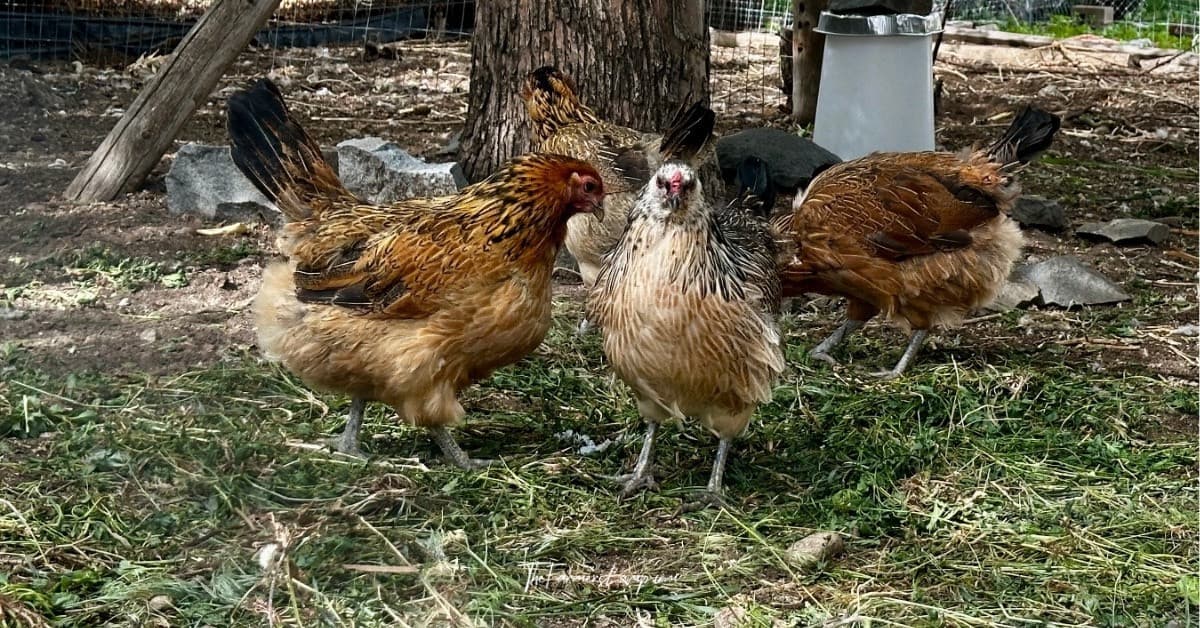
If you’ve watched your flock flop onto their sides and kick dirt like they’re having the best day ever, you’ve seen nature at work. A good chicken dust bath recipe is more than fun—it keeps feathers clean, helps control mites and lice, and even cools birds on hot days.
When chickens dust bathe, they fluff their feathers and roll around in the dirt, letting it work its way down to their skin. This helps remove excess oil, dirt, and even pesky parasites like mites and lice. Think of it as a chicken’s spa, only it’s sunshine and soil instead of robes and cucumber slices.
In This Post
Why Dust Bathing Matters For Chickens
Dust bathing is a normal, healthy behavior. When hens work powdery soil through their feathers down to the skin, it lifts oil and grime and helps clog the breathing pores of common pests (mites, lice). They often bathe together, which settles pecking order fussing and gives them a place to relax. On hot days they’ll dig deeper into cool soil to shed heat. Providing a proper spot with a proven chicken dust bath recipe supports all of that. Some benefits of dust bathing are:
- Keeps Feathers Clean and Healthy
Dust bathing helps chickens maintain their feathers by removing dirt and oil. Clean feathers are essential for insulation, flight (even if they don’t fly far!), and overall health. - Natural Pest Control
Parasites like mites and lice can make life miserable for chickens. Dust bathing helps keep these pests at bay by clogging their breathing pores. It’s like nature’s insect repellent! - Social Bonding
Chickens are social creatures, and dust bathing is often a group activity. Watching a flock of chickens lined up in the sun, rolling around in the dirt together, is not only adorable but also strengthens their bonds and reduces squabbles over the pecking order. - Cooling Off
Chickens don’t sweat, so they need creative ways to cool down on hot days. Dust bathing helps them regulate their body temperature by digging into cool soil and throwing it over themselves.
The Chicken Dust Bath Recipe
Here’s a simple, effective mix that’s easy to refresh and safe when used as directed. Base ratio (by volume):
- 4 parts builder’s sand (clean, coarse, and very dry)
- 1 part sifted wood ash (from untreated, burned hardwoods only)
- 1 part dry garden soil or topsoil (powdery texture helps feather penetration)
- ¼–½ part food-grade diatomaceous earth (DE), optional. Safety note about DE: Use food-grade only. Wear a dust mask while mixing, avoid windy days, and don’t let dust clouds hang in an enclosed coop. Once blended and settled, the bath is low-dust in normal use.
Optional add-ins: A handful of dried herbs like lavender or rosemary (nice scent, gentle with insect-repelling properties.)
Why these ingredients work: dry, fine textures flow into feathers; wood ash adds minerals and a light, desiccating action; DE (when used sparingly and handled carefully) helps with pests; herbs are optional “nice-to-have.”
Where to Put It (So Birds Actually Use It)
- Pick a sunny, dry, sheltered area of the run. Hens love to sunbathe while they dust bathe.
- Use a sturdy container that won’t tip: a kiddie pool, big rubber feed tub, old tire, or a wooden crate all work.
- Depth matters: 6–8 inches of mix lets birds dig and roll.
- Drainage: Drill a few bottom holes if rain collects; keep a scrap of roofing or lid nearby during downpours.
Homestead tip: Even with a perfect bath, some hens will still choose your flower bed. That’s chickens. But give them a great bath to go to, and most of the time they will use it! And your blooms will thank you.

Step-by-Step: Mix and Maintain Your Chicken Dust Bath Recipe
- Pre-dry ingredients. Spread sand and soil in the sun if damp. Ash should be bone-dry and cool.
- Combine in layers. Add sand, then soil, then ash; sprinkle in optional herbs.
- Add DE last (optional). Lightly dust the surface, then blend with a garden fork while wearing a mask.
- Fill your container to 6–8 inches. Set in the run where birds already like to lounge.
- Refresh weekly. Scoop droppings, break clumps, and top up with 1–2 inches of fresh mix as it settles.
- Monthly reset (or as needed). Remove half the mix, add fresh sand/soil/ash in ratio, and blend.
Winter adjustments: Keep the bath under a roofed area to stay dry; if it cakes, bring a bucket of dry mix from storage and top up. In deep winter, a covered corner of the coop with a low dust bath can keep birds busy without drafts.
Troubleshooting a Dust Bath
- They ignore it: Move it to their favorite sun patch, lower the rim for easy entry, and keep the mix very dry.
- It turns to mud: Add more sand, improve drainage holes, and cover during rain.
- Dust clouds: Cut back on DE, mix thoroughly, and avoid stirring on windy days.
- Persistent mites/lice: Use the bath as part of a plan—clean bedding, treat roosts and cracks, and examine birds closely. Learn more about how to eliminate mites/lice in our article.
What Not to Use
- Pressure-treated lumber ash, charcoal briquettes, or painted wood ash—toxins can harm your flock.
- Clay cat litter or concrete sand—too dusty or too coarse; can cake or abrade skin.
- Garden chemicals or fragranced powders—harsh on lungs and skin.
Why This Chicken Dust Bath Recipe Works
It follows the natural behavior you already see—rolling, scratching, shaking—and amps it up with the textures and minerals that help birds stay clean and comfortable. You’re not fighting nature; you’re giving it a boost. That’s the homestead way: simple, safe, low-cost, and easy to maintain.

Chicken Dust Bath Recipe & Bathing FAQs
How often should I change a chicken dust bath recipe mix?
Scoop weekly and top up as needed. Do a deeper refresh monthly or after heavy rains.
Is DE necessary in a chicken dust bath recipe?
No. The base of sand, soil, and ash works well. If you add food-grade DE, use lightly and mix thoroughly.
Can I put the dust bath inside the coop?
Yes, if it’s a dry, ventilated corner and you’re careful with dust. Many keep it covered outside to reduce indoor dust.
What if I don’t have wood ash?
Use 5 parts sand to 1–1½ parts soil and skip the ash, or replace ash with extra soil. The key is a dry, powdery texture.
Will a chicken dust bath recipe stop mites completely?
It helps, but also clean the coop, check roosts and nest boxes, and treat birds if you find pests.
Is builders’ sand safe?
Yes—choose clean, coarse builder’s sand (not play sand that compacts, not concrete sand that’s too sharp).
Do chicks need a dust bath?
Offer a shallow tray of dry soil/sand in a brooder after the first week. Skip DE for young lungs.
Where can I find more information on common poultry ectoparasites (mites, lice)?
For a veterinary overview of common poultry ectoparasites (mites, lice) and control basics, see the Merck Veterinary Manual.
You May Also Like…
Wrap-Up
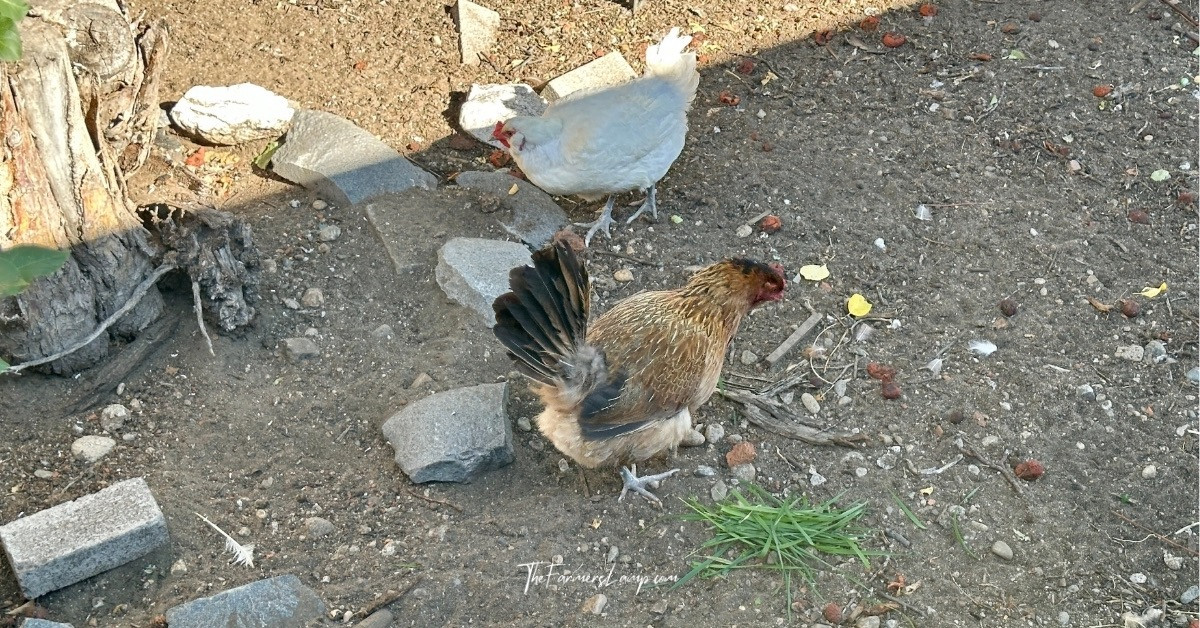
A sound chicken dust bath recipe is an easy win: cleaner feathers, calmer birds, and fewer pest problems. Set it up in a sunny, dry spot, keep the mix fluffy, and refresh often. If you’ve got a favorite add-in or a funny dust-bath story, share it with us—we all learn faster when we learn together.
Happy chicken keeping!



The only problem with dust baths is how much poop it turns into after the hens get done.
I like the idea of customizing dust baths with natural ingredients to keep hens healthy. It seems simple but effective for parasite control without chemicals.
Thanks for sharing your thoughts; we like using natural ingredients whenever we can as well. Thanks for being a friend of the Farmers Lamp!
Dee