
Einkorn dinner rolls offer a wholesome twist on a timeless dinner staple. With their rich, nutty flavor and potential digestive benefits, these golden rolls have a rustic charm and a tender, flaky flavor. Whether you’re a seasoned baker or just dipping your toes into homemade bread, this recipe promises an easy and delicious way to elevate any feast, making these rolls a standout addition to your next meal.

In This Post
Einkorn flour holds a special place in my heart, not just for its ancient roots but for its unique flavor and texture. This humble grain, cultivated for centuries, boasts higher protein, essential minerals like zinc and iron, and a boost of antioxidants. Its rich carotenoid content lends baked goods a lovely, rustic golden hue.
I adore Einkorn’s slightly sweet and nutty flavor. It transports me to another era where food was genuine and untampered. The light, delicate crumb that Einkorn produces is a testament to its unique gluten structure. Many folks find Einkorn easier on their digestive systems—something I’ve observed with relatives who have struggled with modern wheat.
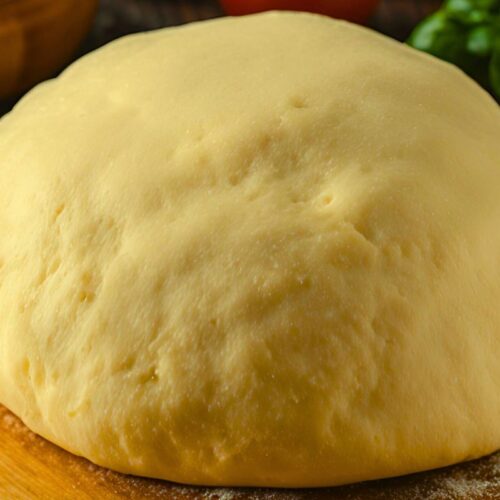
There’s a learning curve when first using Einkorn flour, but that’s part of the adventure. The gluten in Einkorn is entirely distinct from that of modern wheat, contributing to its unique texture and baking qualities. This results in less elasticity in the dough, requiring a gentle touch and patience.
Einkorn Dinner Rolls Recipe
Ingredients:
- ½ cup warm water (95°F to 110°F or 35°C to 43°C)
- 1 cup whole milk
- ½ cup unsalted butter, melted and cooled
- 2 large eggs
- 1 tablespoon granulated sugar
- 1½ tablespoons active dry yeast
- 6 cups all-purpose Einkorn flour
- 3 tablespoons granulated sugar
- 1½ teaspoons Real Salt
Instructions:
- In a small bowl, combine warm water (100-110°F) and 1 tablespoon sugar. Sprinkle yeast over the top, stir until dissolved, and let sit until foamy, about 5-10 minutes.
- In a stand mixer bowl, combine 4 cups of einkorn flour, the remaining sugar, and the salt. Briefly mix with a dough hook 30 seconds or just until combined.
- Add melted butter, proofed yeast, eggs, and milk to the dry ingredients. Mix on low until just combined—the dough will be wet and loose.
- Overworking is the number one cause of einkorn recipe failure.
- Remove the bowl from the mixer, cover with plastic wrap or use a proofing bag (I love these), and let rise in a warm, draft-free spot until 60% risen, about 30-40 minutes.
- Return the bowl to the mixer, add the remaining 2 cups of flour, and mix until the dough forms a soft ball.
- Transfer the dough to a lightly floured surface, gently flatten it, and fold it onto itself 5-6 times to build structure.
- Shape the dough into a large ball, place it on a floured surface, cover loosely with plastic wrap or a proofing bag, and rest for 20 minutes.
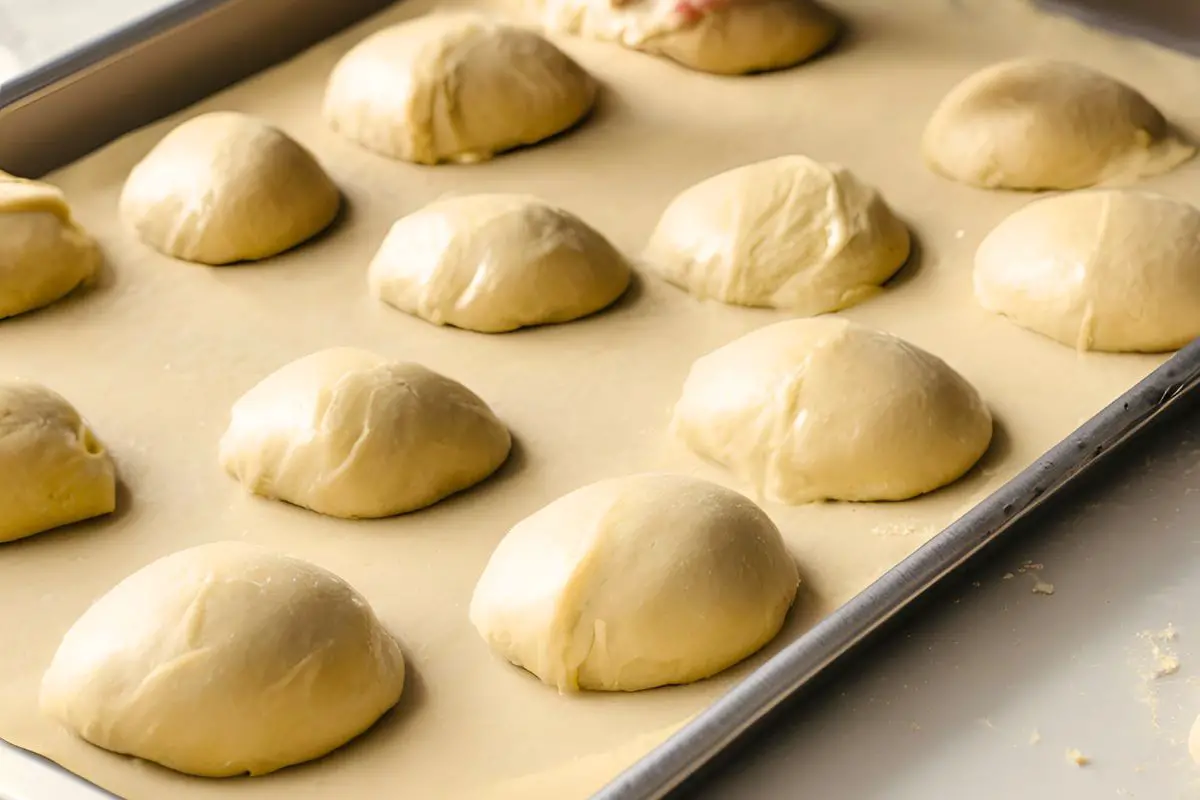
- Divide the dough into 16 pieces, shaping each into a smooth ball by pinching the seams underneath.
- If you want larger rolls, you can divide them into fewer pieces.
- Arrange the balls on a parchment-lined baking sheet. Cover or place in a proofing bag and let rise until nearly doubled, about 60%, which should take about 40 minutes.
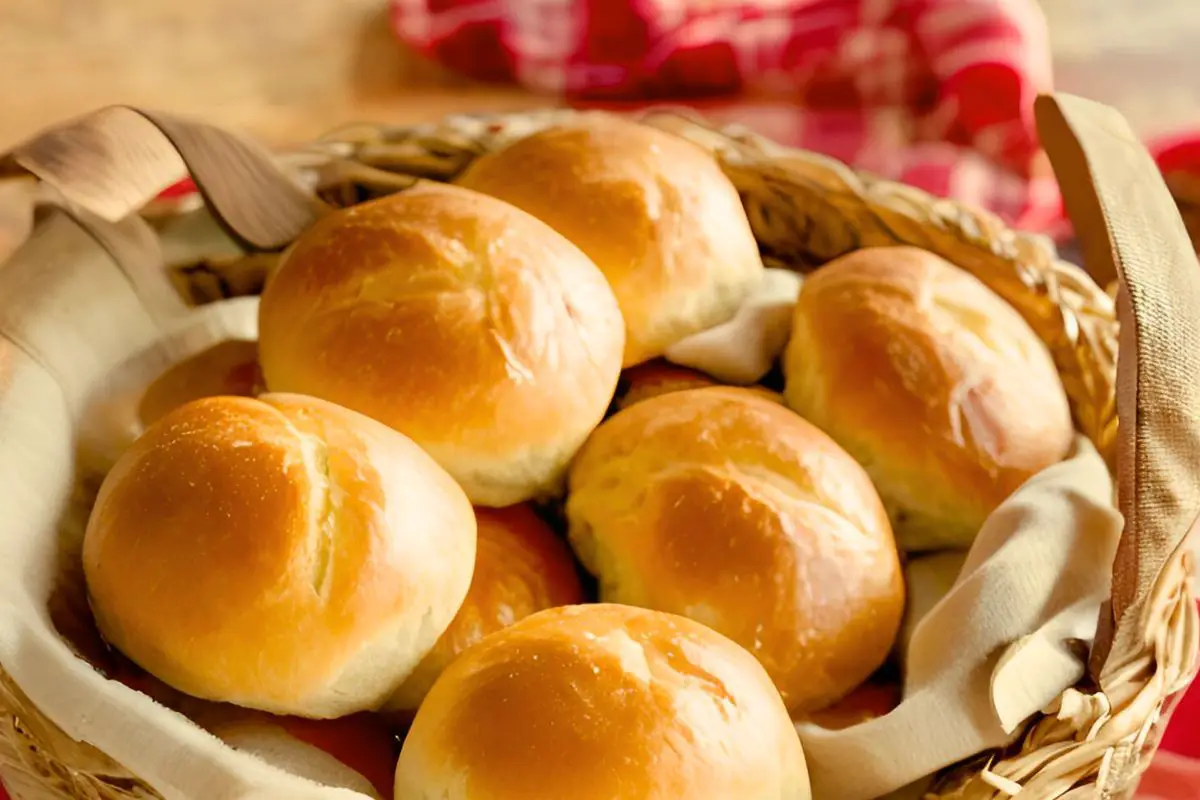
- Preheat the oven to 375°F during the last 10 minutes of rising, then bake for 25 minutes or until golden brown.
- Cool the rolls on the pan for 5 minutes before transferring to a cooling rack or eating.
- Serve warm.
Tips for Baking with Einkorn Flour
Baking with einkorn flour can feel like a delightful adventure, and a few handy tips can make all the difference—especially for these tender einkorn dinner rolls! We recommend checking out tips for baking einkorn flour to get all of our best tips, where you’ll find gems like adjusting hydration (since it absorbs less water than modern wheat), embracing its stickier dough with a light hand, and giving it a slightly shorter rise time to suit its unique gluten.
For this recipe, our best tips are:
- Use a gentler touch: Einkorn flour appreciates a more considerate approach, where mixing is done slowly and gently. This careful handling ensures you don’t overwork the dough, leading to a lighter, more delicate crumb.
- Be prepared for stickiness: Einkorn dough tends to be more sticky than its modern counterparts. Using a lightly floured surface and damp hands can help you work with the dough more comfortably. I keep a bowl of water on the counter to moisten my hands while kneading.
- Don’t Overproof or overwork: With einkorn flour, it’s best to go easy—don’t overproof or overwork the dough, as its delicate gluten can weaken and turn dense if handled too much. Keep rise times shorter and treat it gently to maintain the tender texture and nutty flavor you’re aiming for.
For those new to Einkorn, the key is to remain patient and open to adjusting old habits. Embrace trial and observation as part of the baking ritual, knowing that each batch brings more familiarity with this age-old flour.

Einkorn Dinner Rolls Recipe
Ingredients
- ½ cup warm water 95°F to 110°F or 35°C to 43°C
- 1 cup whole milk
- ½ cup unsalted butter melted and cooled
- 2 large eggs
- 1 tablespoon granulated sugar
- 1½ tablespoons active dry yeast
- 6 cups all-purpose Einkorn flour
- 3 tablespoons granulated sugar
- 1½ teaspoons salt
Instructions
- In a small bowl, combine warm water (100-110°F) and 1 tablespoon sugar. Sprinkle yeast over the top, stir until dissolved, and let sit until foamy, about 5-10 minutes.
- In a stand mixer bowl, combine 4 cups of einkorn flour, the remaining sugar, and the salt. Briefly mix with a dough hook 30 seconds or just until combined.
- Add melted butter, proofed yeast, eggs, and milk to the dry ingredients. Mix on low until just combined—the dough will be wet and loose.Overworking is the number one cause of einkorn recipe failure.
- Remove the bowl from the mixer, cover with plastic wrap or use a proofing bag (I love these), and let rise in a warm, draft-free spot until 60% risen, about 30-40 minutes.
- Return the bowl to the mixer, add the remaining 2 cups flour, and mix until the dough forms a soft ball.
- Transfer the dough to a lightly floured surface, gently flatten it, and fold it onto itself 5-6 times to build structure.
- Shape the dough into a large ball, place on a floured surface, cover loosely with plastic wrap or proofing bag, and rest for 20 minutes.
- Divide the dough into 16 pieces, shaping each into a smooth ball by pinching the seams underneath.If you want larger rolls, you can divide it into fewer pieces.
- Arrange the balls on a parchment-lined baking sheet. Cover or put into a proofing bag and let rise until nearly doubled, about 60%, should be about 40 minutes.
- Preheat the oven to 375°F during the last 10 minutes of rising, then bake for 25 minutes or until golden brown.
- Cool the rolls on the pan for 5 minutes before transferring to a cooling rack or eating.
- Serve warm.
Nutrition
Storing and Serving Einkorn Dinner Rolls
Proper storage is key to enjoying Einkorn dinner rolls at their best. For short-term storage, keep them in an airtight container or resealable bag at room temperature for a couple of days. Refrigeration can extend their life slightly, though enjoying them fresh is best.
For long-term storage, freezing is ideal. Here are two methods:
- Freezing Einkorn dinner rolls before final rise:
- Shape your rolls and place them on a wax paper-lined tray.
- Freeze until solid, then transfer to a freezer bag.
- When ready to bake, allow the rolls to thaw and rise for 1.5 to 2 hours before baking.
- Freezing after baking:
- Let the rolls cool completely.
- Wrap them individually in parchment or freezer paper.
- Place them in a freezer bag.
- To reheat, thaw at room temperature for about an hour, then warm in a 350°F oven for 5-7 minutes.
Einkorn dinner rolls pair beautifully with hearty soups and stews, or enjoy them with a pat of butter to appreciate their nutty flavor. They’re a lovely addition to a festive holiday meal, complementing turkey or glazed ham. Get creative and use them as sliders or mini sandwiches for gatherings. Each roll brings a comforting touch of tradition and warmth to your meal.
You May Also Enjoy



Wrap Up
Einkorn dinner rolls bring a wholesome twist to your table with their nutty flavor and tender bite, straight from that ancient flour we love. It’s packed with more protein and minerals, plus those carotenoids for a golden glow—perfect for any meal, from a quick dinner to a big gathering.
Baking with einkorn calls for a gentle touch—don’t overproof or overwork it since that unique gluten likes shorter rises and less fuss to stay just right. You’ll end up with rustic rolls that taste amazing. So grab your flour, fire up that mixer, and bake up a batch tonight—Happy Baking!


I made half a recipe to try it out, and used whole wheat einkorn. I think I needed a little more flour though, as my rolls came out very flat. They did raise and the taste great, but needed a little more flour to hold their shape. Will definitely try again.
Hi Teri! I’m so glad the flavor was good! Einkorn can be a little tricky while you’re learning its feel, especially with whole wheat einkorn and a half batch. Hmm, thinking on why the rolls were flat…
When you have a second go, you might have already been keen on these, but just in case:
1. Einkorn dough is naturally stickier than modern wheat dough, so it can look like it needs more flour before it’s fully hydrated. Letting the dough rest 10–15 minutes before shaping helps because einkorn absorbs liquid more slowly. After that rest, you can add a little more flour if it still won’t hold a soft shape.
2. Whole wheat einkorn also behaves differently than all-purpose einkorn because the bran absorbs more liquid. If the recipe was written for all-purpose einkorn, the swap can change the dough texture quite a bit.
3. For your next batch, try adding flour one tablespoon at a time after the resting period, just until the dough is still soft and slightly sticky but can hold a rounded shape. Also keep an eye on the rise. Einkorn dough should rise about 40–50%, not double, because overproofing can make it deflate and bake up flat.
Thanks for being a Friend of The Farmer’s Lamp! We all learn together here 🙂
Hello! Would love to try this recipe but we can’t do dairy. Do you know if almond milk or coconut milk ruin the recipe? Thank you!
Hi Rebekah, Yes, you can absolutely substitute almond milk or coconut milk for dairy milk in the Einkorn crescent roll recipe — and it shouldn’t ruin the recipe at all. However, there are a few things to keep in mind:
Almond Milk:
Almond milk is the best dairy-free swap for this recipe.
It has a mild flavor and similar consistency to regular milk.
Use unsweetened almond milk to avoid altering the flavor.
Coconut Milk:
Full-fat canned coconut milk is quite thick and rich. It may change the texture slightly, making the rolls a bit more dense or rich.
If you use carton coconut milk (the drinkable kind), it should behave more like almond milk and is a safer 1:1 swap.
Coconut flavor might come through a bit, especially in a delicate roll like this one.
General Tip:
When baking with Einkorn and alternative milks, just be sure to watch the hydration. Einkorn absorbs liquid more slowly, so after mixing, give your dough the 10–15 minute rest to hydrate before adjusting anything. Resist the urge to add more flour too quickly!
You’re totally on track, and I think you’ll love the result. Let me know how they turn out — or if you want help tweaking anything else! 😊
Can I substitute honey for the sugar? How would I adjust the liquid?
Your cheat sheet says if using yeast and WW flour rather than AP, too reduce both flour and liquid. By WW, do you also mean fresh milled, or does that require bumping up the liquid as above, rather than reducing?
Hi Kathi! Great questions, so glad you reached out! Let’s go one by one…
Can I substitute honey for the sugar? How would I adjust the liquid? > Yes, you absolutely can substitute honey for sugar in your Einkorn dinner rolls. Here’s how to do it and adjust your liquid:
Substitution Ratio and Liquid Adjustment
– Honey to Sugar Ratio: Use ¾ cup of honey for every 1 cup of sugar.
– Liquid Adjustment: Reduce the other liquid in your recipe by 1/4 cup for each cup of honey used.
So, if your recipe calls for 2 tablespoons of sugar, you can use 1½ tablespoons of honey and reduce your liquid by about ¾ to 1 teaspoon (a tiny bit, but it helps with Einkorn’s sensitivity).
Also, remember that honey is sweeter and adds a bit more moisture. It can cause baked goods to brown more quickly, so watch your oven closely near the end of baking!
Does “Whole Wheat” Einkorn Include Fresh Milled?
Yes, in this context, “whole wheat” Einkorn does include fresh milled flour. Here’s how to handle it:
From the Einkorn Guide > “When substituting whole wheat Einkorn for all-purpose, use ¾ cup WW for every 1 cup AP and increase liquid by 5%”.
Freshly milled flour acts the same as whole wheat Einkorn because it contains the full bran and germ. That means it:
– Absorbs more liquid than AP Einkorn (because of the bran).
– Benefits from a 5% increase in liquid, not a decrease.
This is different from typical whole wheat modern wheat, where folks sometimes reduce liquid—but Einkorn plays by its own rules!
Thanks again – we all learn from each other! Happy baking, Dee
I would like to use both all purpose and whole grain einkorn flour in this recipe, say 2 cups whole grain, 4 cups all purpose. How would that change the recipe? Please and thank you!
Hi Sheree! I haven’t made that specific substistion, but here’s my best guess and things to keep in mind for your baking fun :)…
You’re replacing part of the soft, lower-absorption all-purpose Einkorn with higher-absorption whole grain Einkorn. That means:
1. The dough will be more dense – Whole grain flour includes the bran and germ, which makes the final rolls heartier and slightly heavier.
2. It will absorb more liquid – Whole grain flour soaks up more moisture.
3. The flavor will be nuttier – In a good way! Whole grain Einkorn has a rich, slightly earthy taste.
Adjustments to make:
1. Increase liquid slightly – Add an extra 2 to 3 tablespoons of milk or water during mixing. Start with 2 Tbsp and only add the 3rd if the dough still feels dry after resting.
2. Give it a rest (literally) – Let the mixed dough rest for 10–15 minutes before kneading. This allows the Einkorn to fully hydrate and makes handling it easier.
3. Avoid overmixing! – Einkorn Flour doesn’t respond well to heavy kneading. After the rest, knead minimally—just until the dough is smooth enough to work with. Overworking it can make the rolls tough or cause them to collapse.
4. Expect a slightly different texture – These rolls may not be quite as fluffy as the all-purpose version, but they’ll still be soft and delicious—just more rustic and satisfying.
Here’s what I think the recipe would then look like (remember this is untested!)
Einkorn Crescent Rolls (with Whole Grain All-Purpose Blend)
Yields: About 24 rolls
Flour blend: 2 cups whole grain Einkorn 4 cups all-purpose Einkorn
🧂 Ingredients
2 cups whole grain Einkorn flour (approx. 276g)
4 cups all-purpose Einkorn flour (approx. 552g)
2¼ tsp active dry yeast or 2 tsp instant yeast
⅓ cup warm water (about 110°F)
¾ cup warm milk (not hot)
1½ Tbsp sugar
2 eggs, room temperature
½ tsp real salt
4 Tbsp salted butter, softened (or unsalted if preferred)
5 Tbsp softened butter (for spreading on dough before rolling)
🥣 Instructions
1. Activate the yeast – In a small bowl, dissolve the yeast in the ⅓ cup warm water. Let it sit for about 5 minutes until bubbly (skip this if using instant yeast).
2. Mix wet ingredients – In a large bowl, beat the eggs until smooth. Add the yeast mixture, warm milk, sugar, salt, and 4 Tbsp softened butter. Mix until combined.
3. Add flour – Start adding the flour in this order:
Add 1 cup all-purpose flour, stir well.
Add 1 cup whole grain flour, stir well.
Continue alternating flour additions (½ cup at a time), mixing well between each, until you’ve added 2 cups whole grain 4 cups all-purpose total.
Let the dough rest for 10–15 minutes after flour is fully incorporated. This helps Einkorn hydrate and reduces stickiness.
4. Knead gently – After resting:
If using a mixer with a dough hook: knead on low for about 2 minutes.
If mixing by hand: knead in the bowl for about 3 minutes.
The dough should be tacky but manageable. If it’s too stiff, add 1–2 Tbsp more milk.
5. First rise – Cover and let the dough rise in a warm place until it increases by about 60% (not necessarily doubled)—this usually takes 45–60 minutes.
6. Shape the rolls – Divide dough in half. Roll each half into a circle about ¼” thick. Spread softened butter over the surface. Cut into 8–12 wedges, depending on how big you want your rolls.
Roll each wedge from the wide end to the tip, like a crescent. Place on a parchment-lined baking sheet with the point side down.
7. Second rise – Cover and let rolls rise again for 20–30 minutes, just until puffed.
8. Bake – Bake in a preheated 375°F oven for 14–18 minutes, or until golden brown on top. Brush with melted butter right out of the oven if you’d like.
Phew! That turned into a novel of a reply. Let us know how it goes and share some photos so we can all learn together?
Do I use the same amount of flour if I am using fresh milled?
Hi Cindy! Thanks for the great question. As a general rule of thumb… When substituting whole wheat Einkorn flour (which is what fresh-milled flour is) for all-purpose Einkorn flour, use:
– ¾ cup (96g) of whole wheat Einkorn for every 1 cup of all-purpose Einkorn.
– Increase the liquid by about 5%, since the bran in whole grain flour absorbs more moisture.
For example if your dinner roll recipe calls for, say, 3 cups of all-purpose Einkorn, you would use:
2 ¼ cups of fresh milled Einkorn (around 288g) instead.
And bump up your liquids just a bit to help the dough stay soft and not dry out.
Also, fresh milled flour is a little more “thirsty” and needs time to absorb moisture. Let your dough rest for 10–15 minutes before shaping. This will give the flour time to hydrate and help you avoid adding too much flour. Happy baking!