The Welsummer chicken breeds’s roots stretch back to a little village called Welsum in the Netherlands, along the IJssel River. Around the late 1800s or early 1900s—folks aren’t totally sure when it kicked off—local farmers started mixing their hardy landrace chickens with breeds like Cochins, Wyandottes, Rhode Island Reds, and Barnevelders.
The goal? A bird that could lay big, dark brown eggs to meet the growing demand in Europe. By the 1920s, they’d nailed it, and soon Welsummers were popping up in Britain and beyond.
Oh, and fun fact—remember Cornelius, the Kellogg’s Corn Flakes rooster? That’s a Welsummer chicken, strutting his stuff on cereal boxes since the ‘50s!
In This Post
Welsummer Chicken Info
- Size and Class: Standard-sized in the Continental class—hens weigh about 5–6 pounds, roosters around 7. Bantams exist, too, at 2–3 pounds if you like ‘em smaller.
- Type and Purpose: Dual-purpose champs—great for eggs and decent for meat, a true homesteader’s friend.
- Recognized Varieties: The classic is the red partridge pattern—think rich browns with gold and black accents. Gold and silver duckwing versions are out there, too, but partridge is the star.
- ALBC Status: Not super rare, but they’re on the “watch” list with the American Livestock Breeds Conservancy—worth keeping around for their heritage.
These birds carry a bit of Dutch grit and charm, bred for real life, not just the show pen.
Welsummer Chicken Egg Facts
Welsummers are all about those eggs—large, dark brown, and often speckled with little dots that make them look like treasures. You’ll get 150–200 a year, about 3–4 a week, which is plenty for a family table.
They start laying around 20–24 weeks, and the color’s a stunner—deep terra-cotta to chocolatey brown, thanks to a pigment that coats the shell at the end of laying. Sometimes you can even rub it off if you catch them fresh! They slow down in winter when the days get short, but come spring, they’re back at it, filling your basket with beauties.
Characteristics of Welsummer Chickens
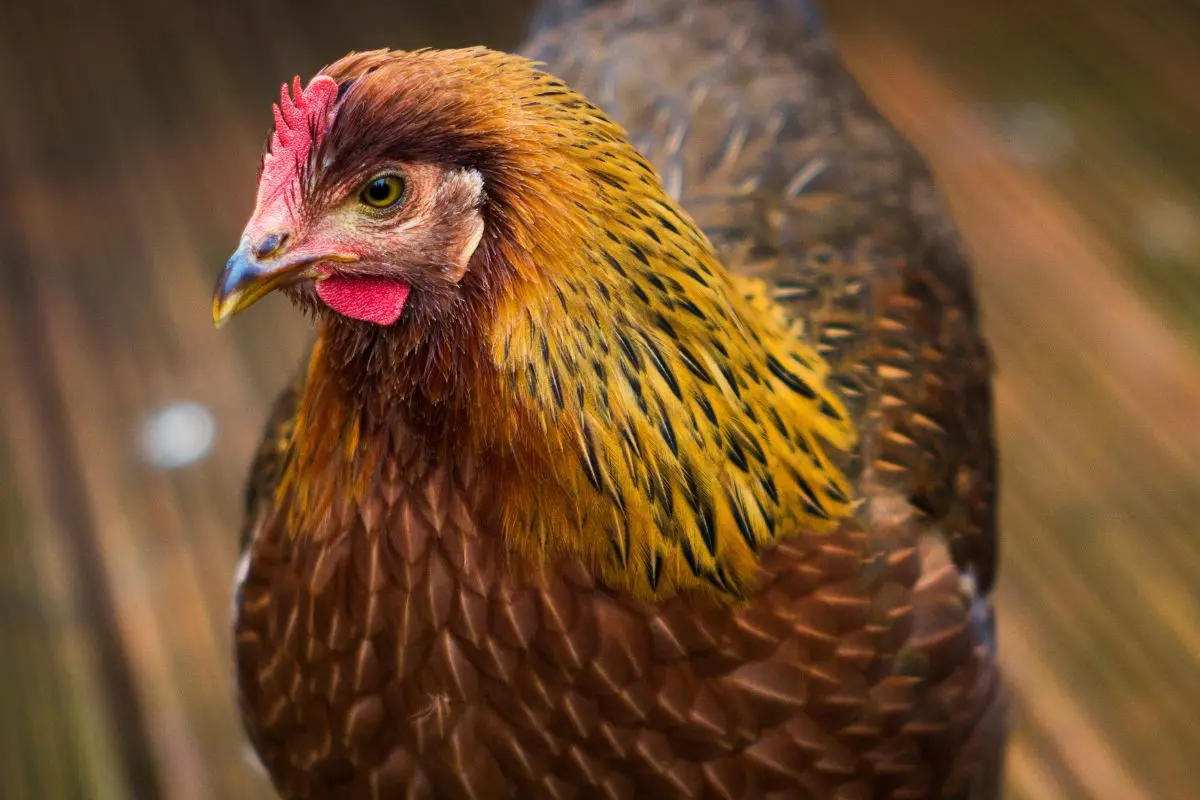
Picture a Welsummer in your yard—hens with a warm, reddish-brown coat, flecked with black and gold, and roosters flashing bright golden necks and iridescent black tails. They’re the kind of chickens that make you stop and stare.
- Physical Characteristics: Medium-sized with a sturdy, upright build—broad backs and full tails. Hens rock that partridge pattern, while roosters shine with bold reds and greens.
- Comb Type: Single comb, bright red and proud, paired with matching wattles and earlobes.
- Crested? Toes? Feathers?: No crest, standard four toes, and clean, yellow legs—no extra fluff to fuss over.
- Breed Standards: The American Poultry Association (since 1991) loves their red partridge look—golden necks, reddish backs, and a neat, balanced frame.
They’re not just pretty—they’re built tough, ready to roam and thrive.
Welsummer Chicken Breed Characteristics
Welsummers bring a laid-back energy to the coop—they’re the kind of birds you can sit and watch with a smile. They’re smart, curious, and love to chat, clucking away when they spot you coming.
- Climate Tolerance: Cold’s no big deal—they’re Dutch, after all, and hardy in winter. Heat’s fine too, just give them shade and water. They’ll handle a coop, but they’d rather free-range—fencing’s not a worry since they’re lousy flyers.
- Temperament: Calm and friendly—they’ll eat from your hand if you’re patient, though they’re not lap chickens. Roosters are usually chill, but some can get feisty, so watch them with little ones. They’re great with the family and love poking around for bugs.
- Motherhood: Not their strong suit. They rarely go broody, and if they do hatch chicks, they’re not the most attentive moms—think distracted auntie vibes.
They’re easygoing foragers with a knack for keeping things lively—perfect if you like a flock with personality.
How to Care for Welsummer Chickens
Raising Welsummers is a breeze—they’re not needy, just happy to be part of your homestead. Feed them a good 16% protein layer mix, toss in some grit and calcium for those eggs, and keep fresh water handy. They’ll gobble up scraps, too—mine go nuts for watermelon rinds!
- A decent-sized coop works—4 square feet per bird inside, 8–10 outside. They love to roam, so a big run or free-range time keeps them grinning.
- Set up a dust bath—they’ll roll around in dirt to stay clean, and it’s a hoot to watch.
- Check those big combs in winter—frostbite can sneak up if it’s bitterly cold. Otherwise, they’re tough as nails.
They’re low-drama birds—give them the basics, and they’ll reward you with eggs and good company.
Where to Buy Welsummer Chickens?
Ready to add some Welsummers to your crew? I’d say start local—check with a nearby hatchery or a farmer who’s got them. It’s easier on the chicks—no long, bumpy trips—and they’ll settle in faster. If you’re striking out locally, pop into your farm supply store and ask them to order some with their next hatchery shipment. It’s a straight path from the hatchery to you, skipping the stress.
Shipping’s tougher—those little ones don’t love bouncing through the mail with who-knows-who handling them. But if it’s your only option, I’ve had luck with Murray McMurray Hatchery. Their chicks show up healthy, and lots of stores partner with them, too—just order through your local spot if you can. Either way, you’ll soon have some Dutch charm clucking around!
Wrap UP
Welsummers are a homestead win—beautiful, friendly, and laying those drop-dead gorgeous eggs. They’re tough enough for cold snaps, happy to forage, and easy to care for, making them a great pick if you’ve got space and love a bird with a story. Sure, they’re not churning out eggs like factory hens, and they won’t win any mom-of-the-year awards, but for a family flock, they’re hard to beat. I’d take their speckled treasures and chill vibes any day.
Got Welsummers in your coop yet? Or maybe you’re dreaming of them? Drop a note in the comments—I’d love to hear your chicken tales or answer any questions. Let’s keep the conversation going!