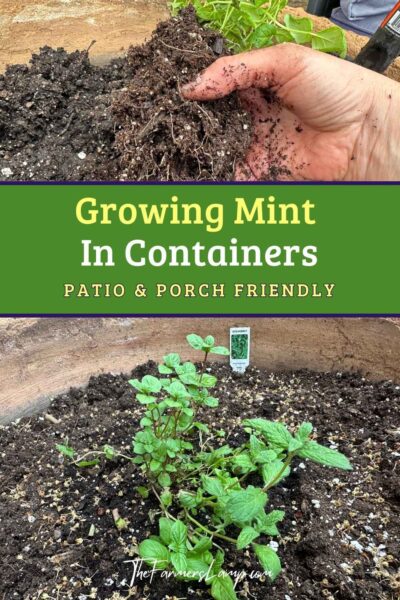
There is something quietly satisfying about stepping out to the porch on a summer morning, snipping a handful of fresh mint, and bringing it back inside for tea. Growing mint in containers is what makes that little ritual possible around here, and it has turned into one of my favorite easy wins of the season.
I have wanted mint close to the kitchen for a long time, but I kept hesitating to plant it in the garden because I had heard the stories. Mint takes over. Mint never leaves. Mint will eat your garden space in a blink if you turn your back. So this year, I finally gave in and put a couple of pots on the back porch instead. Best decision I have made in a while.
- Why Growing Mint in Containers Just Makes Sense
- Picking the Right Container for Mint (Bigger Is Better)
- Soil and Planting (Keep It Simple)
- Where to Put Your Mint Pot (Sun, Shade, and Real Life)
- Watering and Feeding (Easier Than You Think)
- When Cold Snaps Hit (Mint Is Tougher Than You Think)
- Harvesting Mint for Fresh Use, Tea, and Gifts
- Mint Makes a Sweet Little Gift
- A Quick Mint Container Checklist
- Frequently Asked Questions About Growing Mint in Containers:
- Your Next Urban Homesteading Steps
Why Growing Mint in Containers Just Makes Sense
The reputation is real. Mint spreads through underground runners, and once it gets loose in a garden bed, it is hard to pull back. A container keeps those roots exactly where you want them, which means you can enjoy all the good parts of mint without inheriting a problem you will be fighting for the next ten years.
Containers earn their keep in other ways, too:
- You can move the pot to follow the sun or pull it inside before a hard freeze
- One healthy plant gives you fresh leaves, dried tea, and starts to share with friends
- A single pot fits anywhere, even an apartment landing with a few hours of light
- You can grow more than one variety without them tangling together
I picked up my mint this year as a complete impulse buy at our local nursery. I walked in for tomato starts and walked out with mint too, because it smelled so good I could not put it back. For the cost of a bag of potting soil and one little starter, I have fresh mint on the porch for months. I can bring it inside at the end of the season to get even more out of it.
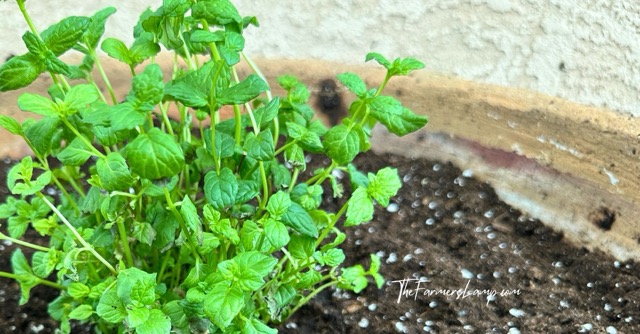
Picking the Right Container for Mint (Bigger Is Better)
Mint roots like room. A pot that is too small dries out fast and leaves the plant stressed and woody before midsummer. Aim for a container at least 10 to 12 inches wide and deep. A wide, shallow bowl works beautifully because mint roots run sideways more than down.
Make sure your pot has drainage holes. Mint likes consistent moisture, but it does not like sitting in soggy soil. Terra cotta pots, glazed ceramic, food-grade plastic, or a galvanized tub with holes drilled in the bottom all work fine.
If you are starting on a tight budget, do what I do and check the thrift store first. I keep an eye out for pretty mismatched pots whenever I am in there for something else. They almost always have a few, and a chipped rim or a faded glaze just adds to the charm.
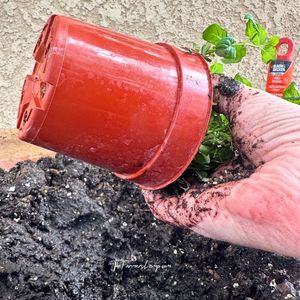
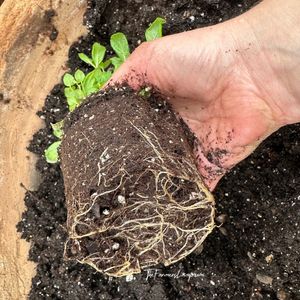
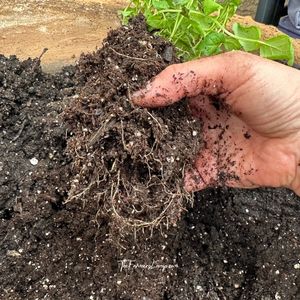
Soil and Planting (Keep It Simple)
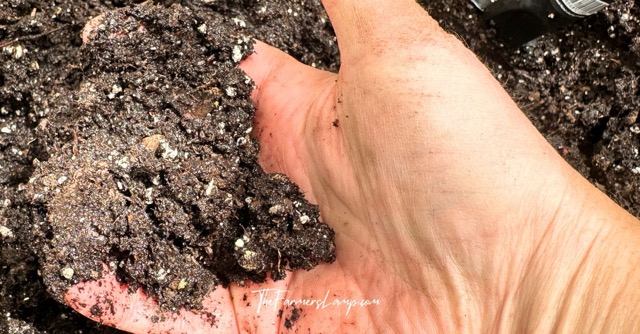
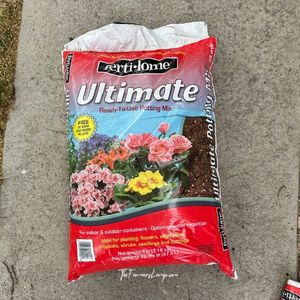
Mint is not picky, but good soil makes a real difference. Use a quality potting mix made for containers, not garden dirt. Garden soil compacts in a pot and chokes the roots within a few weeks. I went with a recommendation from the folks at our locally owned nursery.
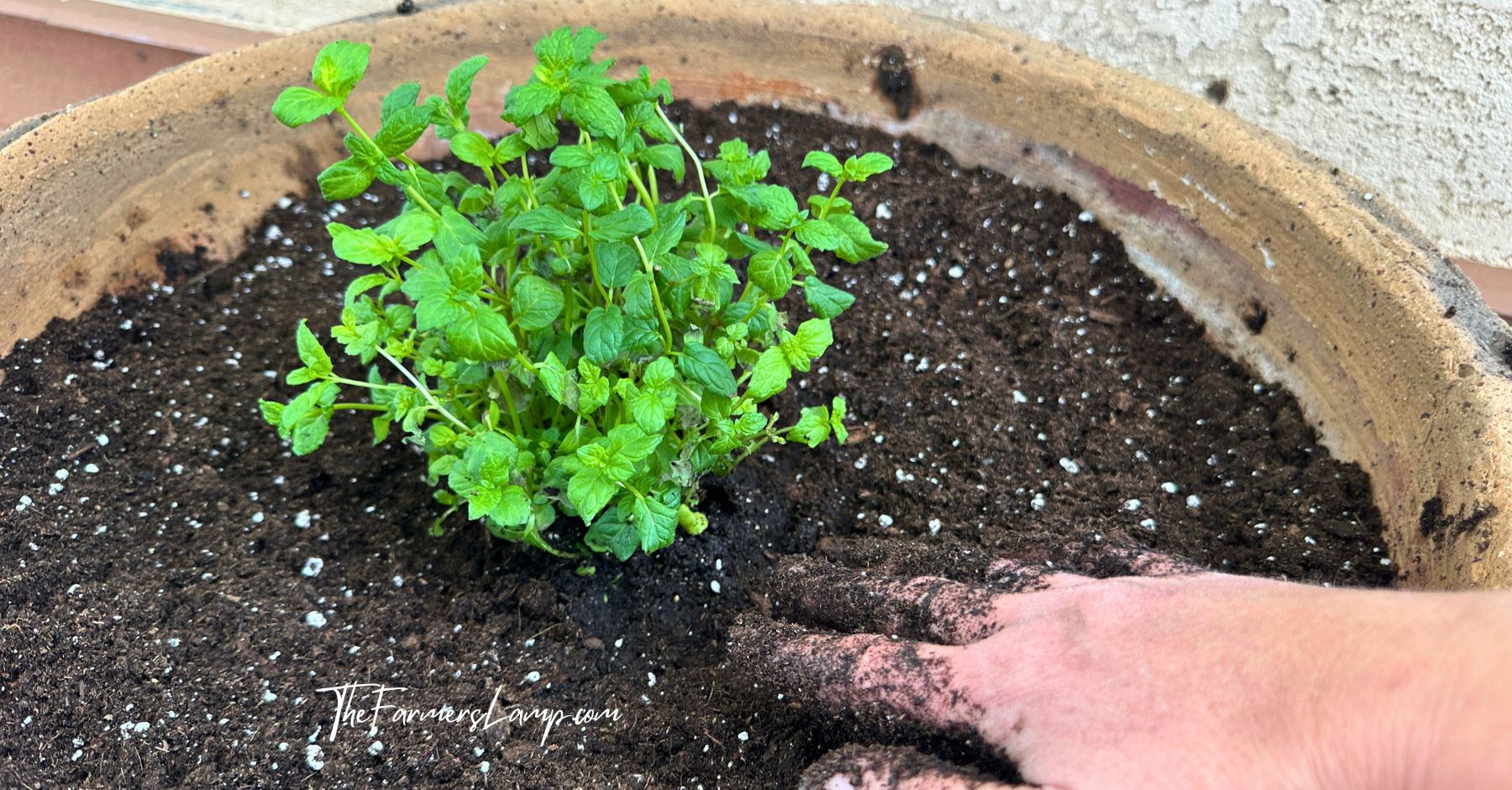
Here is the easy planting process:
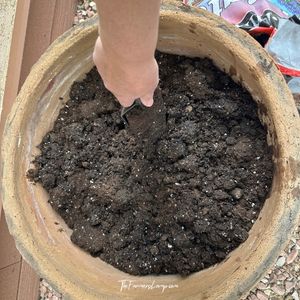
- Fill your container about two-thirds full with fresh potting mix
- Loosen the roots of your mint start gently with your fingers
- Set the plant in the pot so the top of the root ball sits about an inch below the rim
- Fill in around the roots with more soil and press down lightly
- Water slowly until you see water drain from the bottom
That is the whole job. No special tricks, no fancy fertilizer at planting time. Mint wants to grow.
Where to Put Your Mint Pot (Sun, Shade, and Real Life)
Mint grows in partial sun to partial shade. A spot with morning sun and afternoon shade is close to perfect, especially in hot summer climates. Full sun all day can scorch the leaves and stress the plant.
My pots sit on the back porch where they get bright morning light and then catch some shade as the day heats up. If you only have a shady porch, mint will still grow, just a little slower. If your only spot is in blazing afternoon sun, set the pot where a chair, a rail, or a taller plant throws shade in the hottest hours.
Watering and Feeding (Easier Than You Think)
Stick your finger in the soil up to the first knuckle. If it feels dry, water. If it still feels damp, wait a day. Pots dry out faster than the ground, so check daily in the heat of summer. I make my morning coffee, then walk out to check my pots before the day gets ahead of me.
Once a month, give the plant a light feeding with a diluted liquid fertilizer or a sprinkle of compost on top. That is plenty. Too much fertilizer makes mint taste flat and weak, which defeats the whole point.
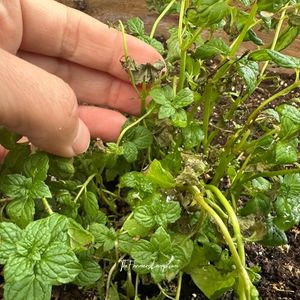
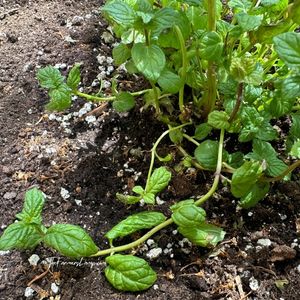
When Cold Snaps Hit (Mint Is Tougher Than You Think)
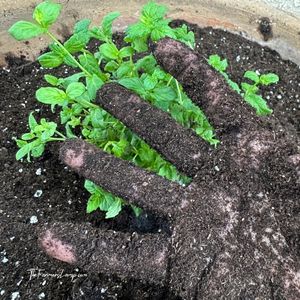
We had a surprise late snow this spring, and I went out the next morning expecting the worst. The leaves were brown and limp, and the plant looked done for (left-hand photo above), but mint is tough!
I cut the damaged stems back to healthy growth, kept watering, and within two weeks, new leaves were pushing up from the base, and you could hardly tell anything had happened. (right-hand photo above) If a frost catches your mint, do not panic and do not pull it. The roots are usually fine, and the plant will come back stronger.
This is one of the reasons mint is such a confidence builder for new gardeners. It bounces back when other plants quit, and that matters when you are still learning what you are doing.
Harvesting Mint for Fresh Use, Tea, and Gifts
The more you snip, the more your plant produces. Pinch off stems just above a pair of leaves, and the plant will branch out and grow bushier instead of tall and leggy.
Use fresh mint for:
- Hot or iced tea
- Lemonade and cocktails
- Fruit salads and yogurt bowls
- Lamb, peas, and grain dishes
- A simple room freshener in a bowl of water
To dry mint for tea, cut whole stems in the morning after the dew lifts. Bundle a few stems with twine and hang them upside down in a dry, airy spot out of direct sun. In about a week, the leaves will crumble between your fingers. Store them in a labeled glass jar away from heat and light. For more on saving the harvest, our guides to preserving your garden harvest walk through the options.
Research from Oregon State University Extension confirms that air-drying preserves the flavor and aromatic oils in mint better than oven drying for most home gardeners.
Mint Makes a Sweet Little Gift
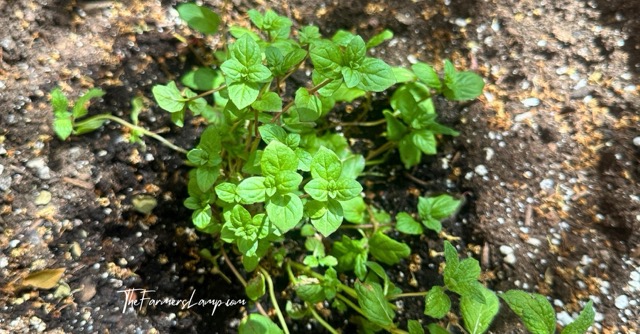
Once your mint settles in and starts to spread inside the pot, you can dig up small starts to share. This is one of the oldest, friendliest gifts in the gardening world, and it is one of my favorites to give.
I have a friend who is wild about spearmint, so I am already planning ahead for her birthday. The plan is a thrifted pot with a fresh start tucked inside, plus a little muslin bag of dried leaves so she has tea while the new plant settles in. The thrift store containment system goes with the gift on purpose, because nobody wants to give a friend a plant that takes over her flower bed.
A simple mint gift bundle looks like this:
- A small thrifted pot with a fresh mint start tucked inside
- A little muslin bag of dried mint leaves for tea
- A handwritten card with care notes
Plant starts are practical, personal, and they keep growing long after the gift is given. That is the kind of gifting I love.
A Quick Mint Container Checklist
Before you head out to plant, run through this:
- Container at least 10 to 12 inches wide and deep, with drainage holes
- Fresh quality potting mix (not garden soil)
- A healthy mint start from a nursery, friend, or seed
- A spot with partial sun, ideally morning light
- A watering can or hose nearby for daily checks
- Twine and a dry cor
Mint is one of those plants that makes a new gardener feel like a pro, even on the hard days. It is forgiving, productive, and useful in the kitchen all summer long. You do not need acres or a fancy setup. A porch, a pot, and a sunny corner is plenty. For more on preserving your mint, our post on freezing herbs is a good next read.

Frequently Asked Questions About Growing Mint in Containers:
Your Next Urban Homesteading Steps
What is your next container gardening project? Maybe a fresh basil pot, a window box of chives, or a tucked-away container for chocolate mint. Whatever it is, give it a try and let us know how it goes in the comments. We all learn together here.
Want more container gardening help like this? Become a Friend of the Farmer’s Lamp for free. Join The Farmer’s Lamp newsletter to get homestead support from folks just like you no matter the size of your yard, or where you are at in your sustainable living journey.