WELCOME TO the farmers lamp!
Backyard Farming: Raise Poultry and Small Farm Animals With Intention
Everything you need to keep healthy birds and small livestock, from day-old chicks to a full-grown flock. Taught by people who have done it for decades, not read about it.
Or start with the basics below.
What is backyard farming?
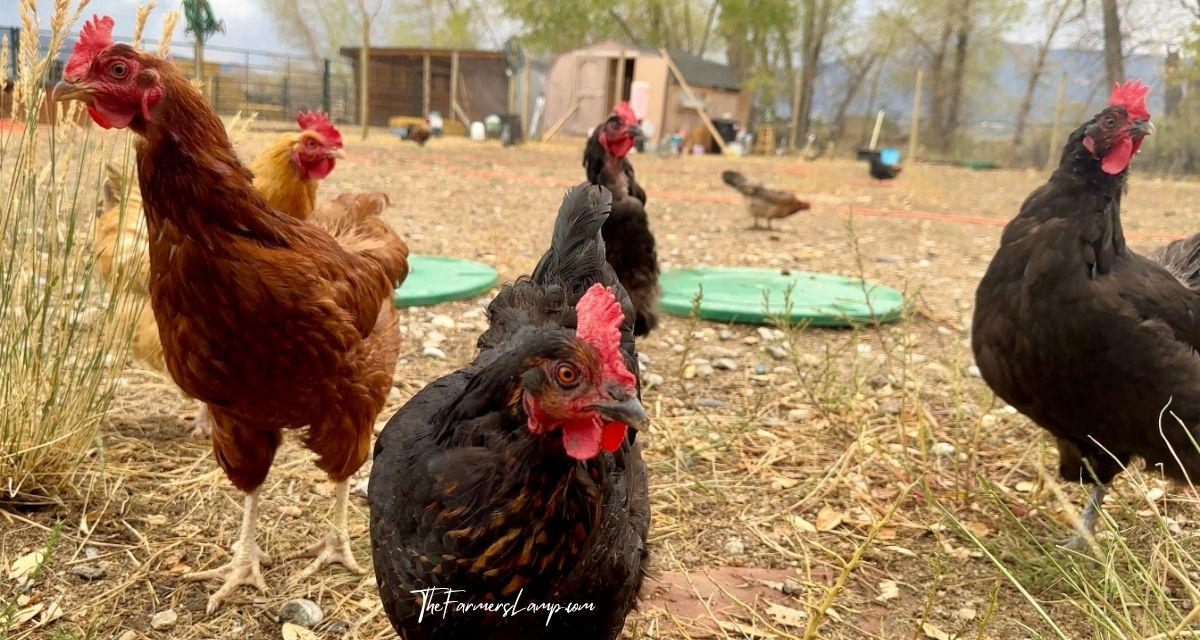
Backyard farming means raising your own food animals at home, whether that’s three hens on a suburban lot or goats and pigs on a few acres. Most people start with chickens, then add ducks, rabbits, or larger livestock over time. Every animal needs secure housing, clean water, the right feed, and protection from predators.
Raise Healthy, Hardworking Animals Wherever You Live
The first time a hen carried a mouse across the yard with the whole flock chasing her, it settled an argument. Farm animals are not decoration. They are working animals. Hens earn their feed in eggs and bug control, rabbits in meat and manure you can put straight on the garden, and goats in milk and cleared brush.
That is what this part of The Farmer’s Lamp is for: practical, field-tested guidance on raising poultry, small farm animals, and livestock well. Breed comparisons that tell you what an animal actually does, not just what it looks like. Feed and health guidance that works on a real budget. Housing, fencing, and predator protection that hold up. Whether you keep six hens in a suburban backyard or goats and pigs on a few acres, the basics are the same: shelter, water, feed, and paying attention. Only the scale changes.
Backyard Poultry
Chickens, ducks, turkeys, geese, guineas, and quail. Breed selection, feed, housing, health, egg handling, and keeping a flock safe from what wants to eat it.

Small Farm Animals
Rabbits and the smaller animals that fit a backyard or a small lot. Housing, feed, daily care, and what it really takes to raise your own meat.
Livestock
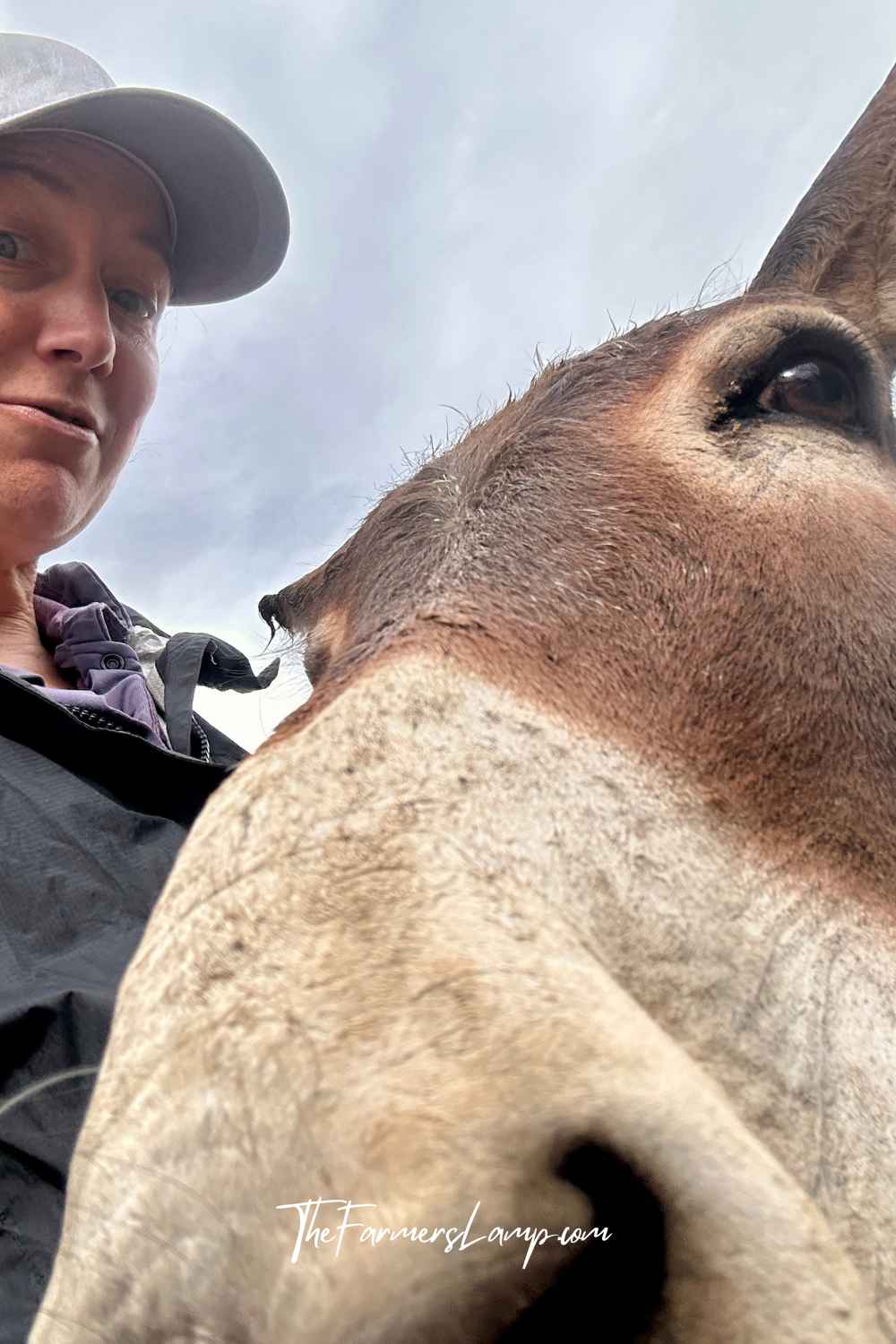
Goats, pigs, and cattle for the homestead. Fencing, shelter, feed, health, and choosing animals suited to your land and your climate.
Where does The Farmer’s Lamp (TFL) library come from?
In a world of rapidly changing technology, we like to see the dirt under the nails on our contributors, scratch the ears of friendly critters living happy on their homesteads, and sip coffee on the porch next to their potted treasures as their chooks scratch nearby.
Rhonda, founder
The poultry knowledge here starts with Rhonda Crank, who founded The Farmer’s Lamp in 2013 and has kept chickens for more than 30 years. She learned it from her grandmother, on a farm where Rhode Island Reds, Dominiques, Black Australorps, and assorted mutts ran the yard alongside ducks, geese, guineas, and turkeys. She also served as Chief Editor of Homesteading Today Magazine and has contributed to Backyard Poultry Magazine, Countryside Magazine, Grit Magazine, and the Homestead Livestock Summit.
Friends of The Farmer’s Lamp
While Rhonda is now retired from writing. TFL is cared for by Dee, the head cat herder, and by the growers, keepers, and elders interviewed for the work published here. They are Friends of The Farmer’s Lamp, who choose to share their experience in hopes that it helps others on their journey.
HAVE QUESTIONS?
Leave a comment on a blog or send us a note. We answer every time, but please give us some grace during busy season!
ONLINE COURSES
Coming soon! Join our newsletter to get notified and get free information. Unsubscribe at anytime. We do not sell your information.
What does it take to raise backyard poultry?
Backyard poultry means keeping chickens, ducks, turkeys, geese, or guineas at home for eggs, meat, pest control, and fertilizer. Most beginners start with three to six hens. You need secure housing, clean water, the right feed for their age, and protection from predators. Everything else is learned by watching your birds.
Find What You Need to Raise Healthy, Happy Flocks
The first time a hen carried a mouse across the yard with the whole flock chasing her, it settled an argument. Chickens are not decoration. They are working animals, and they earn their feed in eggs, meat, bug control, and the manure that feeds next year’s garden.
That is what this part of The Farmer’s Lamp is for. Practical, field-tested guidance on keeping poultry and small livestock well. Breed comparisons that tell you what a bird actually does, not just what it looks like. Feed and health guidance that works on a real budget. Housing and predator protection that holds up. Whether you have six hens in a suburban backyard or a working flock on acreage, the skills are the same. Only the scale changes.
Latest Updates
Old Time Wisdom For Modern Living
Some of the best poultry advice was never written down. It was handed over a fence line, or debated over a warm beverage.
“A warm, well-fed hen is a happy hen, and a happy hen lays happy eggs.”
– Rhonda’s grandmother, on why you toss a little grain at dusk
-

Chicken Dust Bath Recipe for Happy, Healthy Hens
Want a simple chicken dust bath recipe that actually works? Here’s the mix, the setup, and care tips we use on our…
-

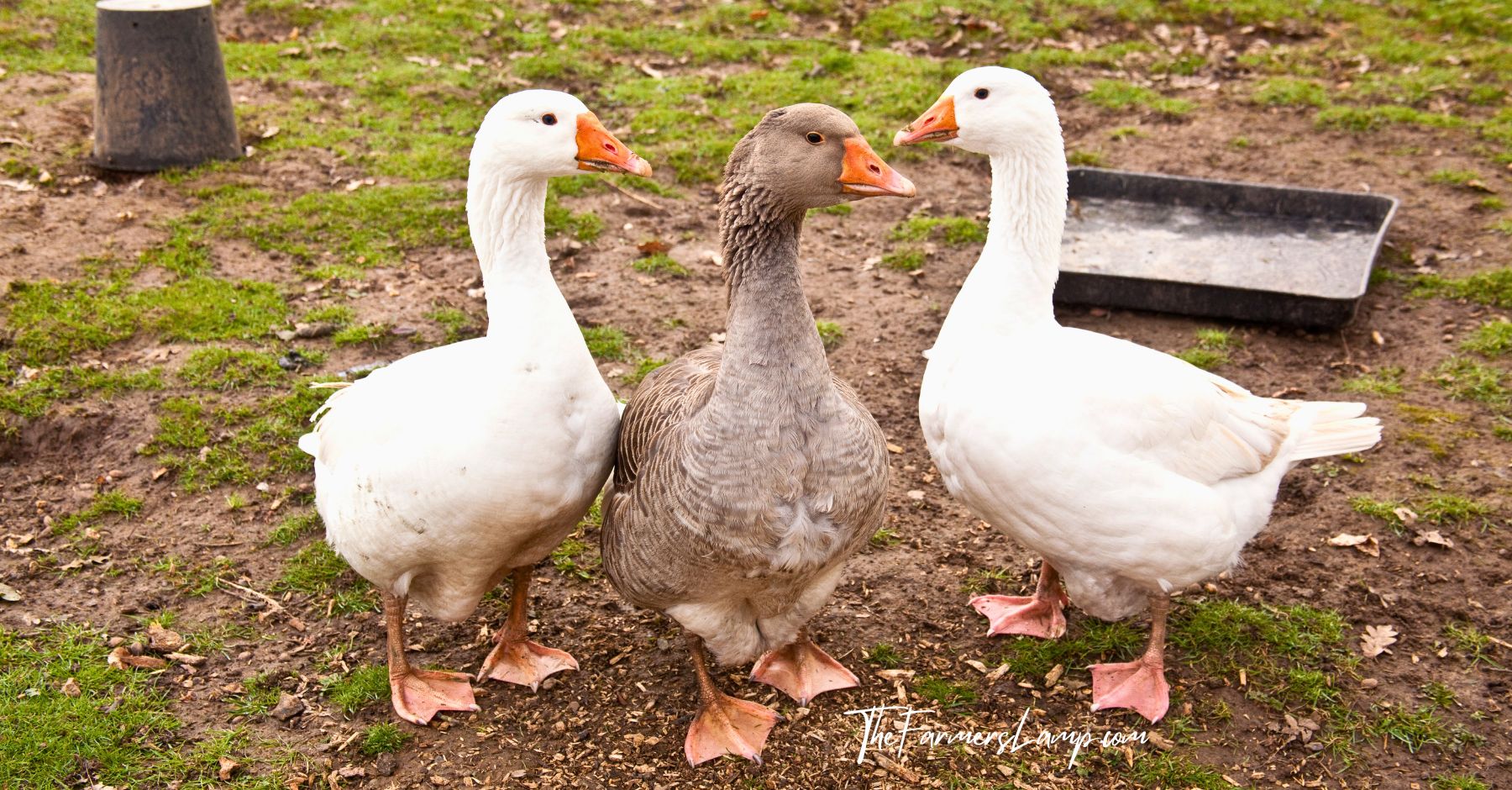
How to Start Raising Geese: A Beginner’s Field Guide
The neighbor’s geese chased us kids clear across the yard, and honestly, they had a point. Here is what those loud, loyal…
-

Clipping Chicken Wings: What to Try Before You Cut
A new flock keeper asked me if clipping chicken wings would hurt the hens. It was a good question, but it turned…

Start Here
Where should a beginner chicken keeper start?
We learn together at TFL. Let’s get you started in a new skill, new breed, or with the basics so you can build your homesteading skills, no matter where you live today. Sustainable living is a process, the learning keeps going and that is what makes it so fun! Let’s take step together today. Read on.
-

5 Reasons I’m a Chicken Keeper
Chicken keeping is a natural thing for me as I was raised on a farm, but when someone asked me about my…
-

About Egg Washing and Storage: Your Questions Answered
Egg washing and egg storage are the two most controversial egg related topics among avid chicken keepers. One side says you should…
-

Best Dual Purpose Chickens for Backyards and Homesteads
*This is a post from last year that I wanted to reshare due to the many questions I have received this week…
-
CHICKCOZY AUTOMATIC CHICKEN COOP DOOR REVIEW
Updated July 2025 to include product testing of the new version of the door with key feature upgrades. Keeping chickens is a…
-
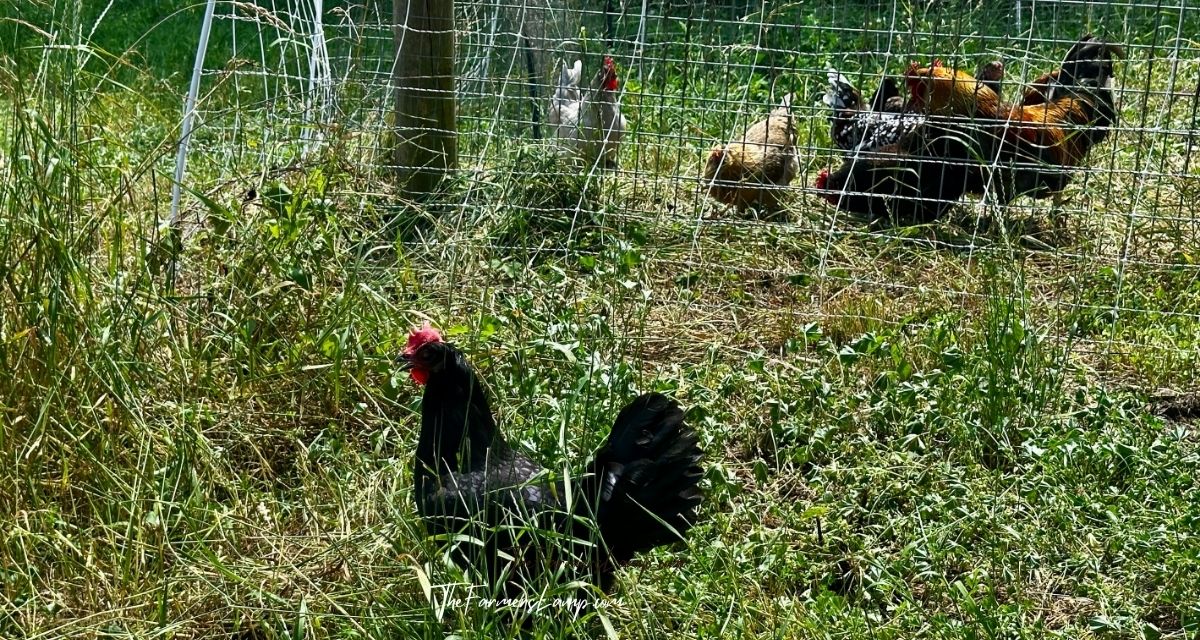
How To Protect Chickens From Predators
Can you make your chickens predator proof? Of course, the answer is Yes and No. As with most all other issues in…
-

How to Stop an Aggressive Rooster
Are you struggling with how to stop an aggressive rooster in your chicken coop? For instance, has your rooster attacked your leg?…


What does it cost to start a flock of six?
Less than most people fear, and more than the feed store implies. The birds are the cheap part. Housing is where the money goes, and feed is where it keeps going. What you spend in year one depends almost entirely on whether you build or buy your coop, and how much of the feed bill you are willing to offset yourself.
The True Cost of Egg Production on a Homestead, for what a dozen eggs actually costs you
What You Should Know Before Building a Chicken Coop, the largest line item in year one
How to Feed Chickens Without Buying Chicken Feed, for cutting the recurring cost
How to Grow Mealworms for Chickens, free protein you can raise yourself
What happens in the first ninety days?
Day-old chicks need heat, and they need it to come down on a schedule as they feather out. That is the whole job for the first month. Somewhere around six to eight weeks, depending on your weather and how well they are feathered, they move from the brooder to the coop. Feed changes as they grow. Get the heat and the feed right and most of the rest takes care of itself.
Brooding Chicks: A Comprehensive Guide for Success, the temperature schedule week by week
Your Complete Guide to Feeding Chickens, starter through layer feed and when to switch
Letting a Broody Hen Hatch Chicks, if you would rather a hen did the work
How to Introduce New Chickens to a Flock, for when the young birds meet the old ones
What do most new chicken keepers get wrong?
The same handful of things, year after year. None of them are complicated, and all of them are cheaper to prevent than to fix.
01.
Building the coop for the birds you have, not the flock you will have.
02.
Waiting for a predator to take a bird before securing the run.
04.
Building the coop for Missing the early signs of a sick bird. birds you have, not the flock you will have.
05.
Treating a problem behavior as a personality instead of a cause.
06.
Have Different question? Send us a note!
We all learn together here at The Farmer’s Lamp. See Contact Us.
What does poultry keeping look like across the year?
Chickens run on daylight, not on the calendar, so the work shifts with the season no matter where you live. Spring brings chicks and the return of steady laying. Summer is about water and shade. Fall means molt, and a drop in eggs that alarms every first-year keeper. Winter is housing, water that will not freeze, and deciding how much you are willing to intervene.
Should You Have a Chicken Coop Heater?, an honest answer to a contested question
How to Care for Molting Chickens, why the eggs stopped in autumn
Egg Laying and Common Egg Abnormalities, what normal looks like through the year
Common questions about raising backyard poultry
Start with three to six hens. Chickens are flock birds and do poorly alone, so three is the practical floor. Six hens will keep most families in eggs without overwhelming you. You can always add more next spring. Starting small means your first mistakes are small ones.?
No. Hens lay eggs whether or not a rooster is present. A rooster is only needed if you want fertilized eggs to hatch chicks. Many towns and neighborhoods ban roosters for noise, so check your local ordinance before you bring one home.
A dual-purpose breed gives you both reliable eggs and enough meat to be worth processing. Black Australorps, Rhode Island Reds, and Speckled Sussex are common choices. They dress out between five and nine pounds. For a homestead feeding a family, dual-purpose birds usually beat keeping separate laying and meat flocks.
Plan on about four square feet per bird inside the coop and eight to ten square feet each in the run. Crowded birds pick at each other and get sick faster. If your flock free ranges during the day, you can run closer to the lower end of that range.
Usually yes, though rules vary widely. Most suburban ordinances allow a small number of hens and ban roosters. Check your city code and any HOA covenant before buying birds. A tidy coop, good manure management, and quiet birds keep neighbors on your side.
Where does poultry connect to the rest of the homestead?
- Chicken manure is the cheapest soil amendment you will ever have. See GROW for composting it safely.
- Once the eggs start coming, you need something to do with them. See COOK.
- Processing birds, preserving meat, and putting up the harvest live in MODERN HOMESTEADING.
Raise your flock with confidence
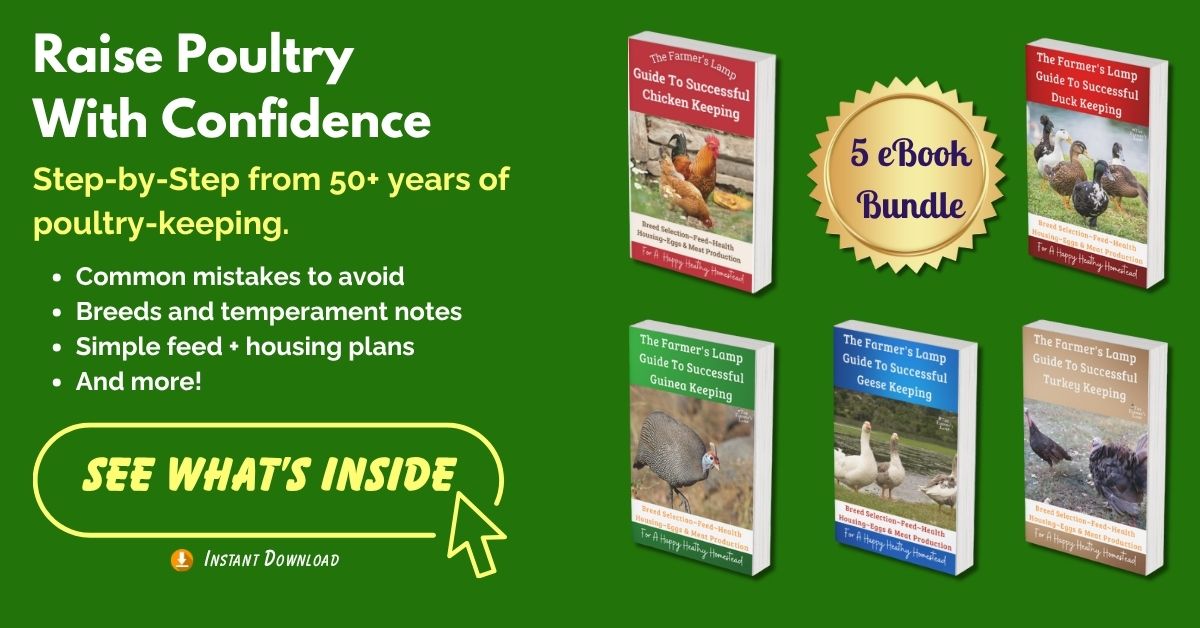
Five guides covering chickens, ducks, turkeys, geese, and guineas. Written from decades of keeping them, not from a textbook.
Prefer to browse first? Start with the poultry archive.