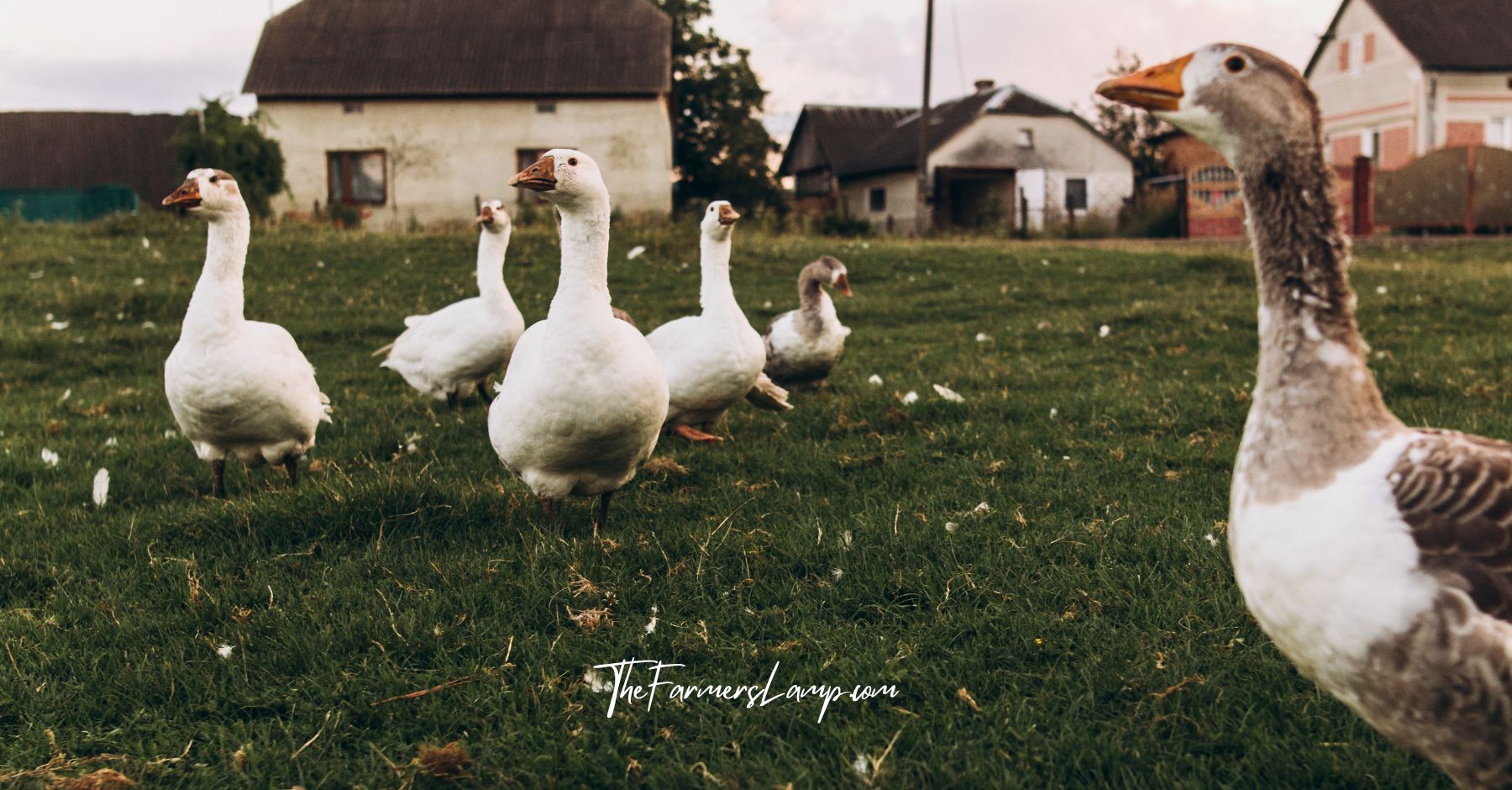
Growing up, the neighbors kept a couple of geese, and those birds were mean as a snake on a hot day. But when it comes to raising geese, that very same attitude is exactly what makes them worth having around. They missed nothing, and they let the whole half-mile of dirt road know it.
If you have ever stood at the edge of a yard while a gander sized you up, you already know geese are not shy. They are loud, bold, and full of personality. The good news is they are also one of the most useful and low-fuss birds you can add to a homestead, whether you have five acres like we did or a fenced corner out back. Let me walk you through what I have learned, the easy parts and the honest headaches both.
- Why Raising Geese Earns Its Keep (Grazing, Eggs, and More)
- Geese as Guard Animals (Your Built-In Alarm System)
- Choosing Breeds for Raising Geese (Match the Bird to the Job)
- Housing and Space When Raising Geese (Dry Feet, Safe Nights)
- Feeding Geese (Grass First, Niacin Always)
- The Honest Pros and Cons of Raising Geese
- Your Raising Geese Starter Checklist
- FAQs About Raising Geese
Why Raising Geese Earns Its Keep (Grazing, Eggs, and More)
Geese are grazers, plain and simple. Turn them out on grass and they will keep it trimmed like a living lawn mower, which cuts your feed bill right along with it. A quarter of an acre of decent pasture can comfortably support a pair. If you have more room, the poultry team at eXtension notes that a single acre of good pasture can support twenty to forty geese, depending on size and grass quality.
They earn their keep other ways too. Goose eggs are big, rich, and prized by from-scratch bakers for the way they lift a cake or custard. The birds are devoted parents, and on pasture they need very little fussing. For a lot of homesteaders, that combination of weeding, eggs, and low daily upkeep is the whole appeal.
Geese as Guard Animals (Your Built-In Alarm System)
Here is the part I know best. As kids, we were probably being rowdy, and those neighbor geese were right to chase us off. Anytime something was wrong, a strange truck, a loose dog, a predator slinking along the fence, they kicked up a ruckus you could hear three houses down. Fair enough. That is a goose doing its job.
There is real history behind it. Geese have stood watch since ancient Rome, and during the Cold War the U.S. Army stationed dozens of goose platoons across Western Europe and found them as effective as guard dogs, only cheaper. They have sharp eyes, can see ultraviolet light, and catch movement most of us would miss. A gander especially will sound off the second something feels off.
Now the honest part. Geese are an alarm, not a bodyguard. They are prey animals themselves, they go nearly blind after dark, and a lone goose is no match for a determined coyote. A noisy flock will deter trespassers and small predators, but you still need a locked shelter at night. Think of them as the front-porch dog that barks, not the one that bites.
Choosing Breeds for Raising Geese (Match the Bird to the Job)
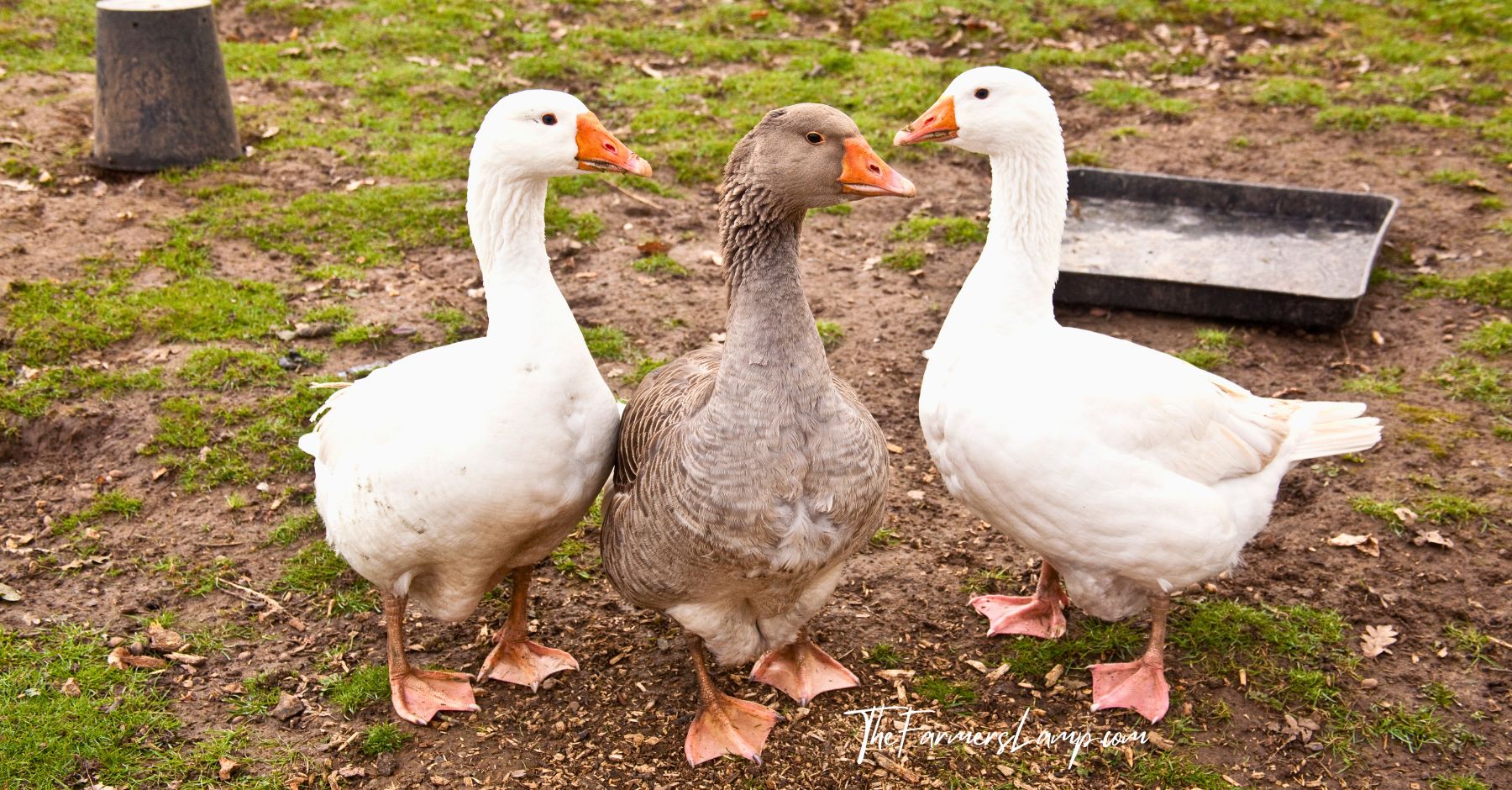
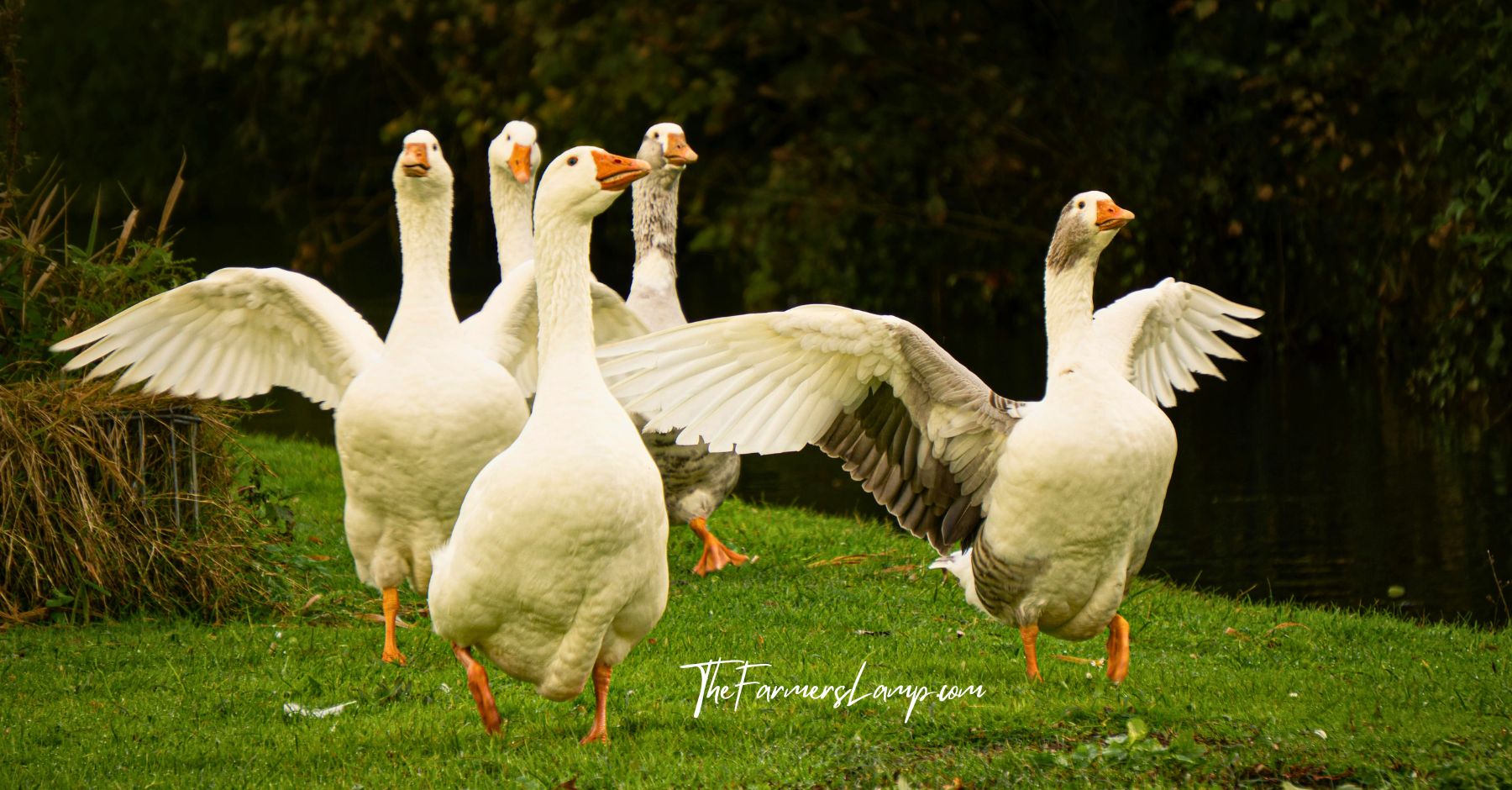
There is no single best goose. Pick the one that fits what you want. The Embden holds a special place in my heart for its calm nature and steady size, but every breed below brings something to the table.
- Embden: Large, hardy, gentle, and a solid all-purpose homestead goose.
- Toulouse: Big and docile, great foragers, known for good meat.
- Chinese: Slender, elegant, prolific egg layers, and excellent garden weeders.
- Pilgrim: Auto-sexing (males and females look different young), calm, easy to breed.
- African: Impressive knob on the head, very loud, a top pick for guarding.
- Sebastopol: Curly white feathers, mostly ornamental, friendly and sweet.
If you want a guard bird, lean toward the louder African or Chinese. If you want a peaceful grazer, an Embden or Toulouse will treat you kindly.
Housing and Space When Raising Geese (Dry Feet, Safe Nights)
Geese do not need anything fancy. A converted shed, a three-sided shelter, or a simple A-frame works fine, as long as it stays dry and shuts tight at night. Give each bird 8 to 10 square feet of indoor space. They sleep on the ground, so skip the roosts and nest boxes you would build for chickens.
A few things matter more than looks. Use wood shavings for bedding rather than hay, which holds damp and can carry mold spores that hurt their lungs. Fence the pasture with something sturdy, because foxes, raccoons, and coyotes all consider geese a meal. If hawks or owls work your area, stretch some netting overhead. And whatever you do, lock them up after dark. That is when they are most vulnerable.
Water is part of housing for waterfowl. They need clean water deep enough to dunk their whole head and rinse their nostrils, and they love a good bath. A large tub or a kiddie pool does the trick, and watching them splash and carry on never gets old around here.
Feeding Geese (Grass First, Niacin Always)
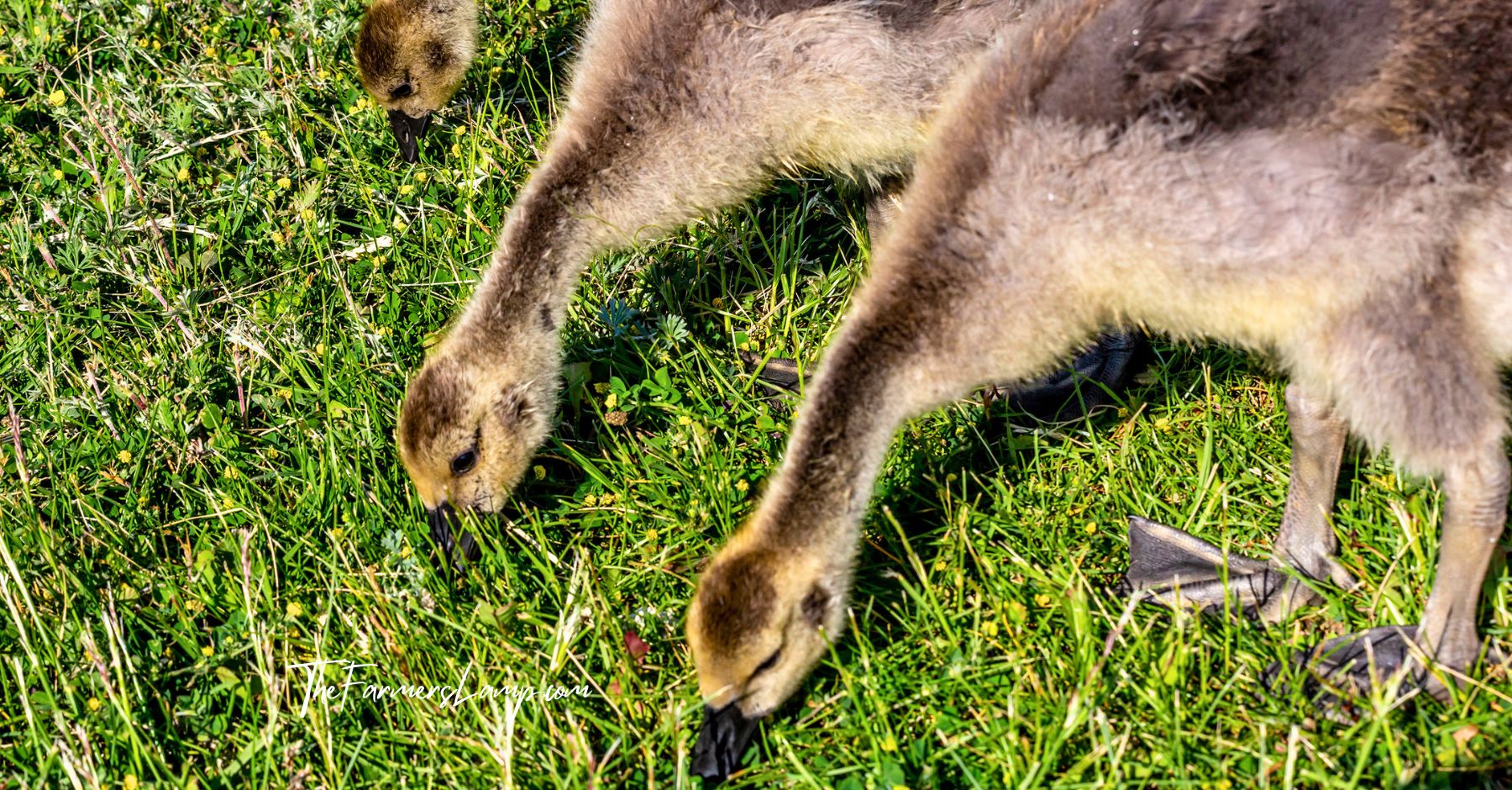
Grass is their favorite food, and on good pasture in summer they may need very little else. As the grass thins or winter sets in, fill the gap with waterfowl pellets and a little grain like wheat or corn. They like to dunk their food as they eat, so keep water right next to the feeder.
One rule you cannot skip: geese need more niacin (vitamin B3) than chickens do, and goslings need it most of all for healthy legs. The Maine Organic Farmers and Gardeners Association points out that geese cannot thrive on standard chick feed and recommends a waterfowl feed with niacin built in, or brewer’s yeast added to non-medicated feed. Skip this and you risk bowed legs and lameness in your young birds. Aim for around 20 to 22 percent protein in the starter weeks, then ease off so they do not grow faster than their frames can handle.
If you are already keeping other waterfowl, much of this will sound familiar from raising ducks, since their feed needs run close to a goose’s.
The Honest Pros and Cons of Raising Geese
Every homestead animal comes with a trade. Here is the straight version.
Pros:
- Natural weeding and lawn care that lowers your feed bill
- Large, rich eggs prized for baking
- A loud, reliable alarm system against predators and strangers
- Devoted parents that raise their own goslings
- Low maintenance once they are on pasture
Cons:
- They can turn aggressive, especially a gander guarding a nest
- They are noisy, which neighbors may not love
- Their droppings are wet and plentiful
- They need real room to roam and graze
- They will strip bark and overgraze a garden if you let them
Weigh these honestly against your space and your neighbors before you bring birds home. Most folks who go in with eyes open are glad they did. Keeping them away from young trees and the vegetable patch will save you grief, the same way you would protect tender plants from any free-ranging bird, much like you would in keeping pests out of the garden.
Your Raising Geese Starter Checklist
When you are ready to begin, work through these in order:
- Decide your why first (eggs, weeding, guarding, or meat) so you choose the right breed.
- Start with at least two birds. Geese are flock animals and get stressed alone.
- Build or convert a simple, predator-proof shelter with 8 to 10 square feet per bird.
- Fence the pasture, and add overhead netting if hawks or owls hunt nearby.
- Set up clean water deep enough for dunking heads and bathing.
- Buy waterfowl feed with niacin, or add brewer’s yeast to non-medicated feed.
- Build a daily routine for feeding and locking up. Consistency is how you earn their trust and keep them safe, just like any other part of keeping a backyard flock.
FAQs About Raising Geese
How many geese should I start with?
At least two. Geese are deeply social and a single bird will be stressed and lonely. A pair or a trio settles in far better and keeps each other company.
Do geese really need a pond?
No. They need water deep enough to submerge their heads and clean their nostrils, plus enough to bathe in now and then. A large tub or kiddie pool is plenty. A pond is a treat, not a requirement.
Are geese good guard animals against coyotes and foxes?
They are a great alarm, not a defense. Their honking will alert you and may scare off small or hesitant predators, but a lone goose cannot fight off a coyote. Always shut them in a secure shelter at night when they are nearly blind and most at risk.
What do geese eat in winter?
When the grass dies back, switch to waterfowl pellets and some grain like wheat or corn. Keep the niacin coming through proper waterfowl feed so they stay sound through the cold months.
Are goose eggs good to eat?
Yes, and they are big, about two to three times the size of a chicken egg. They are rich and excellent for baking, though geese lay seasonally, mostly in spring, so you will not get them year-round.
Will my geese be too loud for the neighbors?
They can be. African and Chinese breeds are especially vocal, which is wonderful for guarding and less wonderful at six in the morning. If you live close to others, a quieter breed like the Embden or Sebastopol is the kinder choice.
Can geese live with chickens and ducks?
Often yes, with space and separate feed, since geese need that extra niacin. Watch them during breeding season, when ganders turn territorial, and give everyone room to spread out so no one gets bullied or hurt.
Raising geese is not the right fit for every place, but for the room they take up, few birds give back as much. They will trim your grass, fill your egg basket, and let you know the moment anything is amiss. I would love to hear how it has gone for you. Have you raised geese, or are you weighing it now? Do they earn their keep as guard birds on your place, or would you choose a different bird for the job? Tell me your stories in the comments below.
Want more raising geese help like this? Become a Friend of the Farmer’s Lamp for free. Join The Farmer’s Lamp newsletter to get homestead support from folks just like you.