Looking for a backyard bird that keeps laying through winter, forages like it owns the yard, and does not need much fussing over? Rhode Island Red chickens have filled that role for American families for well over a century. With their deep red feathers, steady laying, and tough constitution, Reds bring real productivity and a bit of personality to just about any flock. Let’s dig in and see why this breed has earned a spot in so many coops.
History of Rhode Island Red Chickens
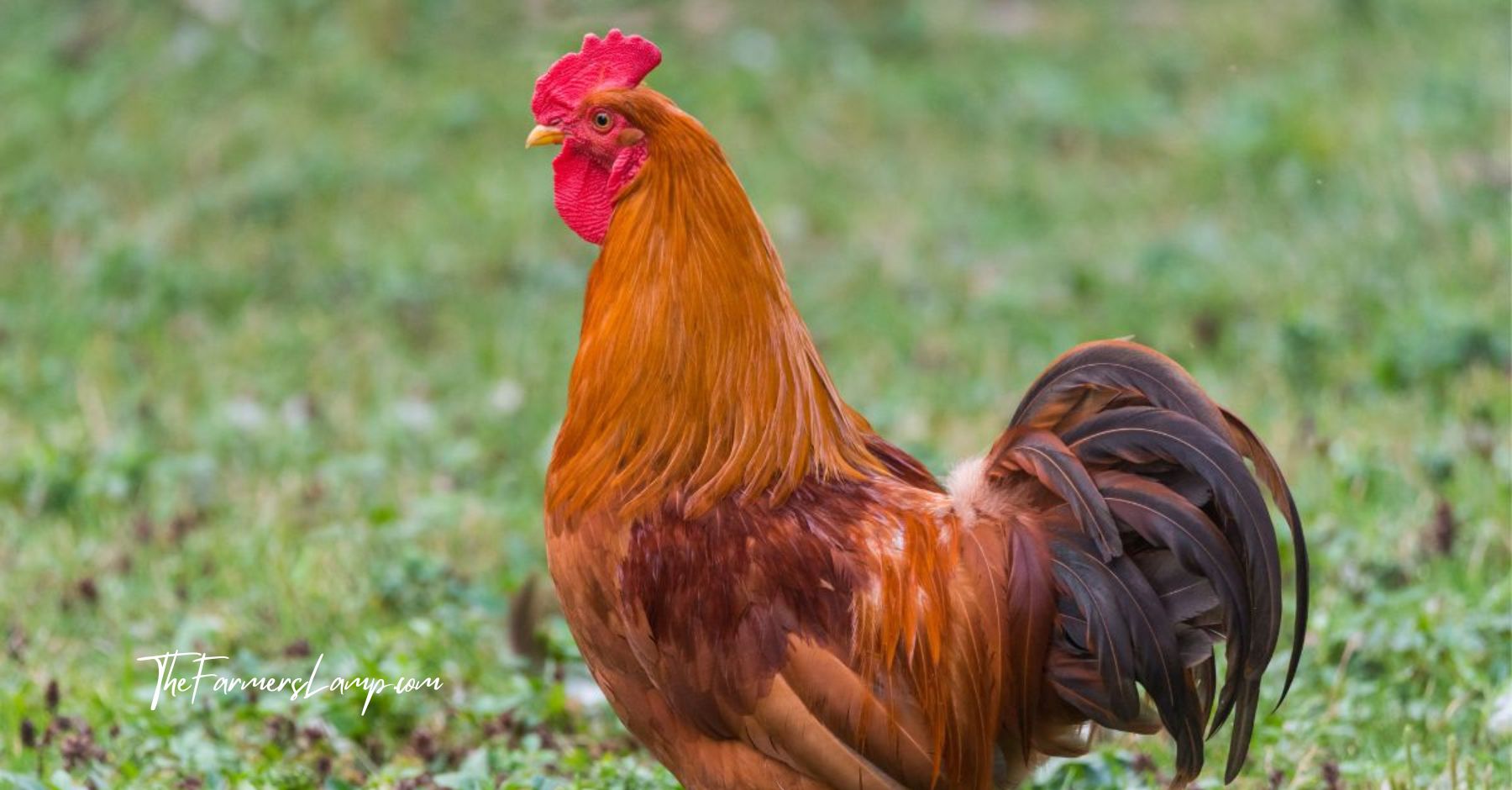
The Rhode Island Red is no newcomer. Farmers in Rhode Island and Massachusetts shaped the breed in the late 1800s, back when a chicken had to earn its keep by laying eggs and dressing out as a table bird. They crossed local hens with Malay, Java, Shanghai, and Brown Leghorn stock. That Malay blood is where the rich, dark red feathering comes from.
The single-comb variety was admitted to the American Poultry Association’s Standard of Perfection in 1904, with the rose-comb birds following a year later. The breed spread fast and never really left. It is the state bird of Rhode Island, and its genetics live on in many modern hybrid layers today.
One thing worth knowing before you buy: not every Red is the same bird. The old-type heritage strain is larger, darker, and more likely to go broody, and the Livestock Conservancy lists those traditional lines as a breed to watch. The production strain has been bred to lay more eggs and less broodiness. Neither is wrong, but they suit different goals.
Egg Facts for Rhode Island Red Chickens
Reds are some of the best brown-egg layers you can keep. A healthy hen lays roughly 200 to 300 large brown eggs a year, with heritage birds landing toward the lower end and production strains pushing the upper. Most pullets start laying around 18 to 22 weeks.
What sets them apart is consistency. They keep producing through the colder months when many breeds slow down, so your egg basket stays full in winter. Peak laying runs through the first two to three years, then tapers off as the hen ages.
Broodiness depends on the strain. Heritage hens will often go broody and make protective, attentive mothers, which is a real advantage if you want to hatch your own chicks. Production hens have had most of that instinct bred out. If you want a self-sustaining flock, you can read more about dual-purpose birds in our companion guide.
Features of Rhode Island Red Chickens
Reds are a solid, medium-large bird built for work rather than show. Here is the quick profile:
- Hens: about 6.5 pounds.
- Roosters: about 8.5 pounds.
- Color: rich mahogany red that goes nearly black on the tail.
- Comb: usually a large single comb, though rose-comb birds exist.
- Legs: clean, with no feathering.
- Lifespan: commonly 5 to 8 years with good care.
That single comb is handsome, but it is also the breed’s weak point in hard winters. More on that in the care section below.
Breed Characteristics of Rhode Island Red Chickens
Reds are tough birds, comfortable in both summer heat and winter cold as long as the basics are covered. Their hardiness is a big part of why they have stayed popular for so long. Give them shade and fresh water in the heat, a dry coop in the cold, and they take most weather in stride.
Temperament is where you want your eyes open. Hens are usually friendly and easy with people, but Reds tend to sit near the top of the pecking order. Some roosters get pushy, especially around children or gentler breeds like Silkies. A rooster handled from a young age is far easier to live with than one left to run wild.
These are also excellent foragers. Let them range, and they will hunt up bugs, weed seeds, and greens that trim your feed bill and enrich the eggs.
Care of Rhode Island Reds
Reds are low-maintenance, which is one reason seasoned keepers love them. Feed the stage your birds are in: a starter feed at 18 to 20 percent protein for chicks, a grower around 16 to 18 percent for pullets, and a layer feed near 16 percent plus free-choice oyster shell once the eggs start coming. We have several articles on feeding your flock to get you started.
Give them room. Aim for at least 4 square feet per bird inside the coop and 8 to 10 square feet in the run, with a standard 12 by 12 inch nesting box for every three or four hens. Add a dry patch of loose dirt for dust bathing to keep mites and lice down, and keep clean water available year-round. You can learn about setting up the right space in our guide to choosing a chicken coop.
Winter deserves real attention with this breed. Reds handle cold well, but their large single combs and wattles are prone to frostbite, which comes from a damp, poorly ventilated coop more than from cold alone. The small-flock poultry program at eXtension notes that birds with large combs, roosters especially, are the most vulnerable, and that a well-designed coop prevents most cases. Keep airflow up high, bedding dry, and roosts wide and flat so birds can cover their feet. Here is our guide to preparing chickens for winter for the full rundown.

Where to Buy Rhode Island Red Chickens
We strongly recommend sourcing your Reds locally, as we do with all breeds. A nearby hatchery or breeder means less travel stress and a healthier start, and you can often see the parent stock first.
If local birds are not available, ask your farm supply store to add Rhode Island Reds to their next hatchery order. They come straight from the hatchery to the store with no extra handling. For online orders, Murray McMurray Hatchery has a good reputation for shipping strong, perky chicks with care. Just remember the strain question: if you specifically want the old-type heritage Red, you will need a breeder who keeps that stock, not a standard production line.
Wrap Up
Rhode Island Red chickens check the boxes most homesteaders care about. They are hardy in heat and cold, they lay reliably through winter, they forage well enough to cut feed costs, and as a true dual-purpose breed they can replace themselves naturally. The tradeoffs are real but manageable: a bossy streak in mixed flocks, the occasional pushy rooster, and a single comb that needs watching when the temperature drops. They also like room to forage, which may not suit the smallest urban setups.
For a dependable layer with a tough constitution and over a century of staying power, the Rhode Island Red is hard to beat.
FAQs: Rhode Island Red Chickens
How many eggs do Rhode Island Red chickens lay per year?
Most hens lay between 200 and 300 large brown eggs a year. Heritage strains land toward the lower end, while production strains often reach the upper end. Expect peak output in the first two to three years.
Are Rhode Island Red chickens good for beginners?
Yes. They forgive common first-timer mistakes, tolerate weather swings, and lay reliably without special care. Just watch their bossy streak in a mixed flock and handle any roosters early.
Are Rhode Island Reds aggressive?
Hens are usually friendly with people but tend to rule the pecking order. Roosters can get assertive, sometimes aggressive, especially if they were not handled young. Early, regular handling makes a big difference.
Do Rhode Island Reds go broody?
It depends on the strain. Old-type heritage hens go broody fairly often and make protective mothers. Production strains have had much of that instinct bred out, so do not count on them to hatch a clutch.
How cold is too cold for Rhode Island Red chickens?
They handle real cold well, but their single combs are the weak point. Frostbite risk climbs below freezing, especially in a damp, poorly ventilated coop. Dry bedding, good airflow, and a draft-free roost matter more than added heat.
We would love to hear from you. Have you raised Rhode Island Reds, or are you thinking about adding them to your flock? Share your stories or questions in the comments below.
If you enjoy reading about hardy, dependable breeds like this one, browse more in our chicken breed guides to find the right birds for your homestead.
Want more poultry help like this? Become a Friend of the Farmer’s Lamp for free. Join The Farmer’s Lamp newsletter to get homestead support from folks just like you.