Most folks who dream about homesteading picture forty acres, a red barn, and a milk cow. Then they look out the window at a shared driveway and a patch of grass the size of a beach towel and figure the dream will have to wait. It does not have to wait. Urban homesteading starts with what you already have, right where you already live.
Maybe the timing is not right for land. Kids, work, a mortgage, aging parents who need you close to their doctors. Those are not failures. They are just life. The old timers did not wait for perfect conditions either. They used the skills they had, in the space they had, with the neighbors they had. You can do the same thing this week.
- What Urban Homesteading Actually Means To Us (Mindset First, Land Later)
- 1. Start Container Gardening (Small Space, Real Food)
- 2. Cook From Scratch (The Skill That Pays Every Single Day)
- 3. Build DIY Self-Reliance Skills (Fix It Before You Replace It, Repurpose It)
- 4. Learn Your Local Fruit Trees and Shrubs (Free Food Hiding in Plain Sight)
- 5. Stock a Pantry That Fits the Space You Have (Buy Well, Preserve, Tuck It In)
- Your Urban Homesteading Starter Checklist
- Pros and Cons of Urban Homesteading
- FAQs: Urban Homesteading
- Do I need a yard to start urban homesteading?
- What is the difference between homesteading and urban homesteading?
- How much money do I need to get started?
- Is it legal to pick fruit from trees in my town?
- Can I keep chickens in an urban homesteading setup?
- What should I learn first if I only have time for one thing?
- Can I really do this while renting?
What Urban Homesteading Actually Means To Us (Mindset First, Land Later)
Urban homesteading is bringing the self-reliant, sustainable, make-do mindset of the homestead into a smaller living space. It is not a downgraded version of the real thing. It is the real thing, scaled to your square footage.
Think about what made the old timers so capable. No matter what happened, they figured it out. They repaired instead of replaced. They preserved an abundance instead of watching it rot. They leaned into their community, traded, shared, and solved problems with what was on hand. That resilience is the essence of homesteading, and it does not care whether your address is rural route or apartment 3B.
So a homestead can be defined a lot of ways. To me, a home and the attitude you bring to it is what makes it a homestead. If you are headed for bigger land someday, every skill you build now walks onto that property with you. If you never leave town, you still eat better, spend less, waste less, and live more sustainably today.
Here are five places to start.
1. Start Container Gardening (Small Space, Real Food)
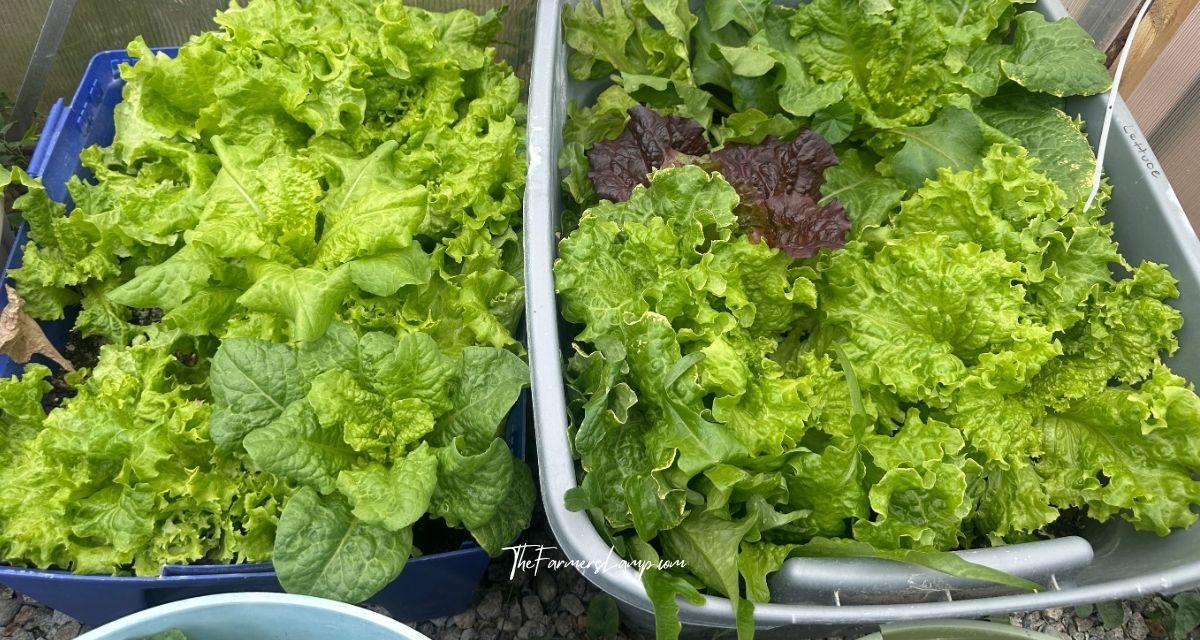
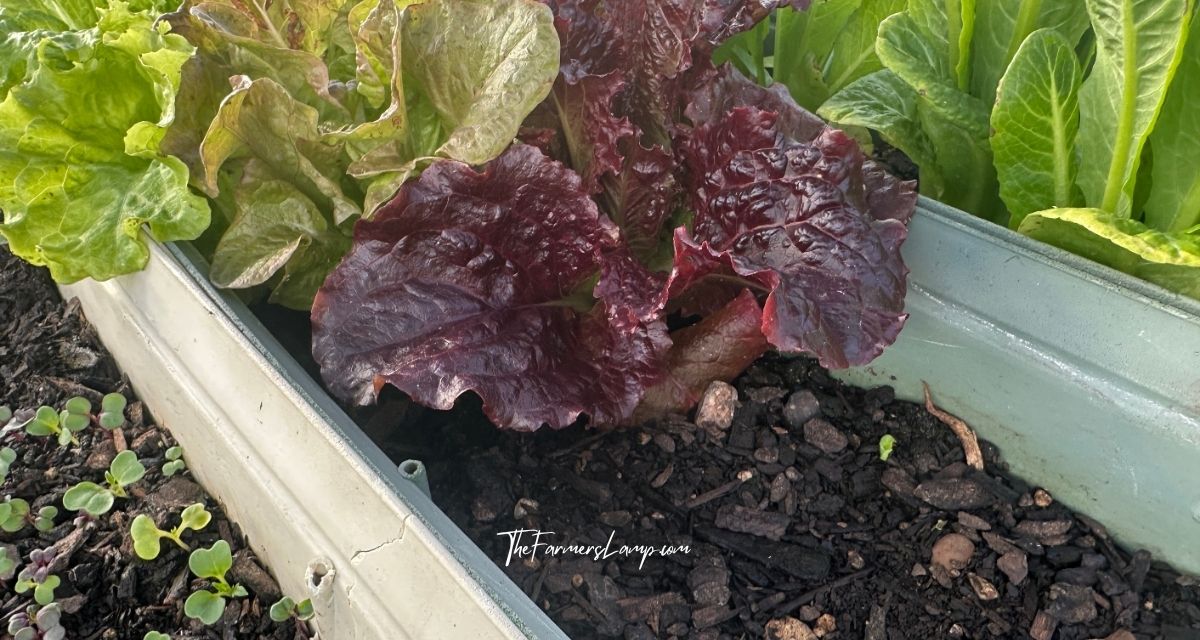
Containers are the fastest win in urban homesteading because you can start with one pot and a dollar packet of seeds. A single five-gallon bucket with drainage holes will grow a tomato plant that keeps you in sandwiches all summer. A window box will keep you in basil, parsley, and green onions.
Start with what you actually eat. New gardeners talk themselves into eggplant they do not like and then feel bad when it fails. Herbs, leaf lettuce, bush beans, sugar peas, and cherry tomatoes are forgiving, and they produce fast, which matters when you need a win to keep going.
No outdoor space at all? A sunny windowsill will grow herbs and microgreens year round, and microgreens go from seed to harvest in under two weeks.
Have a wee bit of porch space? If you want the full setup on soil, pot size, and watering, you can try your hand at container gardening.
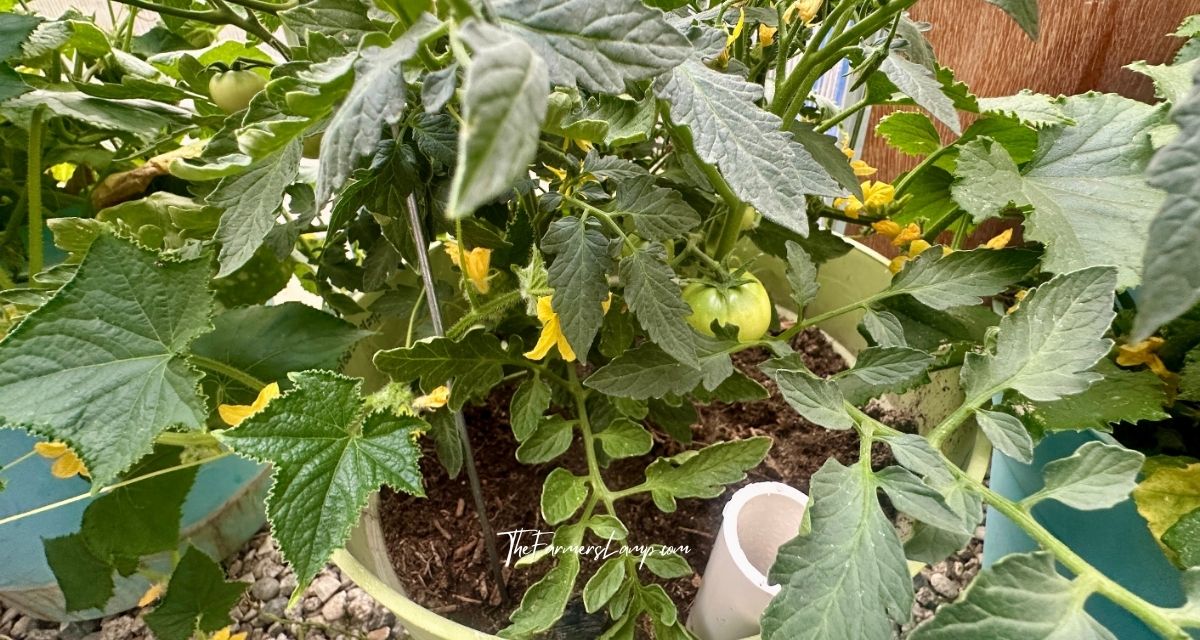
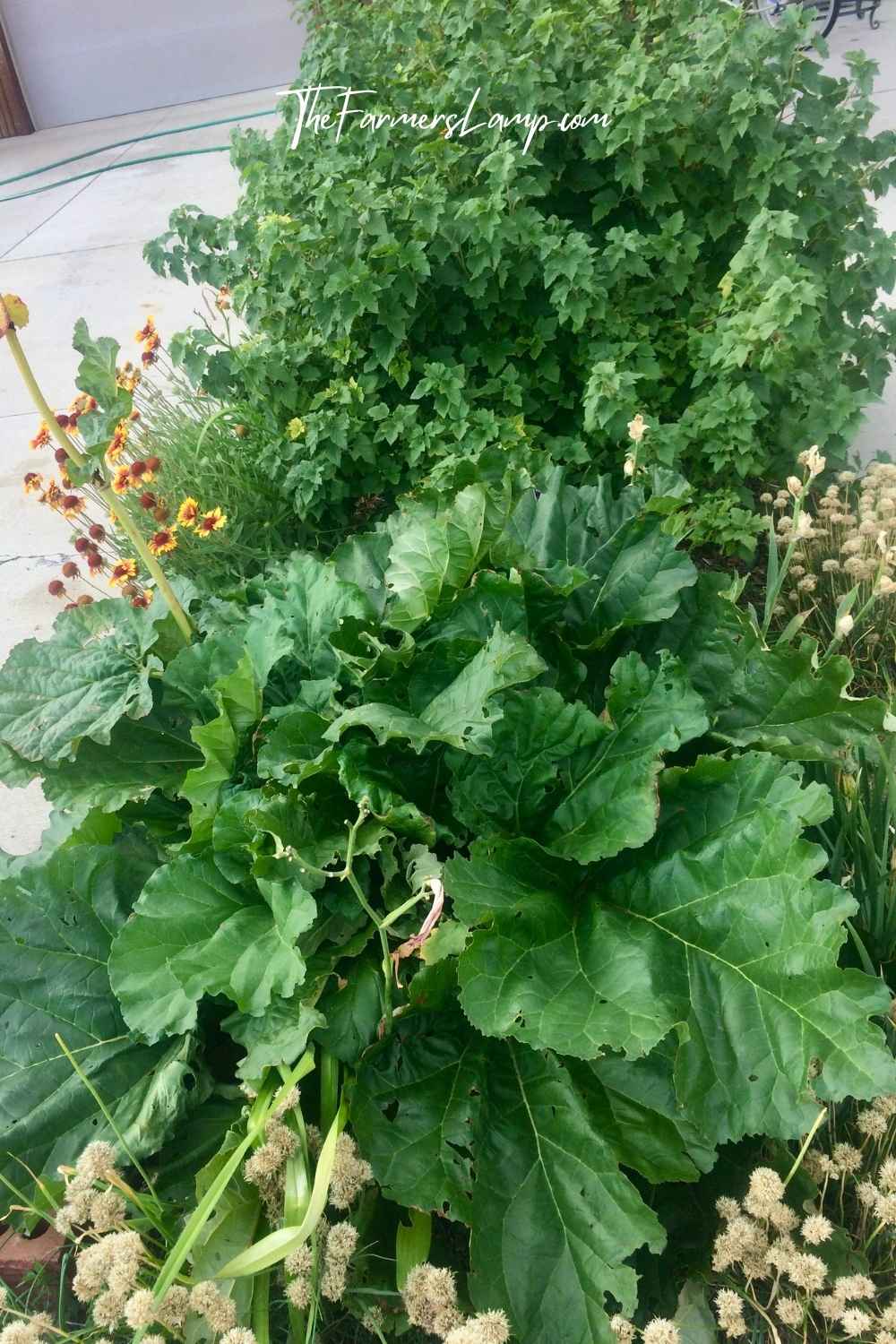
Is there some patch of dirt you can transform? Living in town, I was able to take a rocky dirt strip and eventually see it produce gallons of currants and rhubarb for freezing each year! Although it never stopped growing rocks, it sure was a win, and I learned a lot about tucking high-nutrition plants into challenging spots.
2. Cook From Scratch (The Skill That Pays Every Single Day)
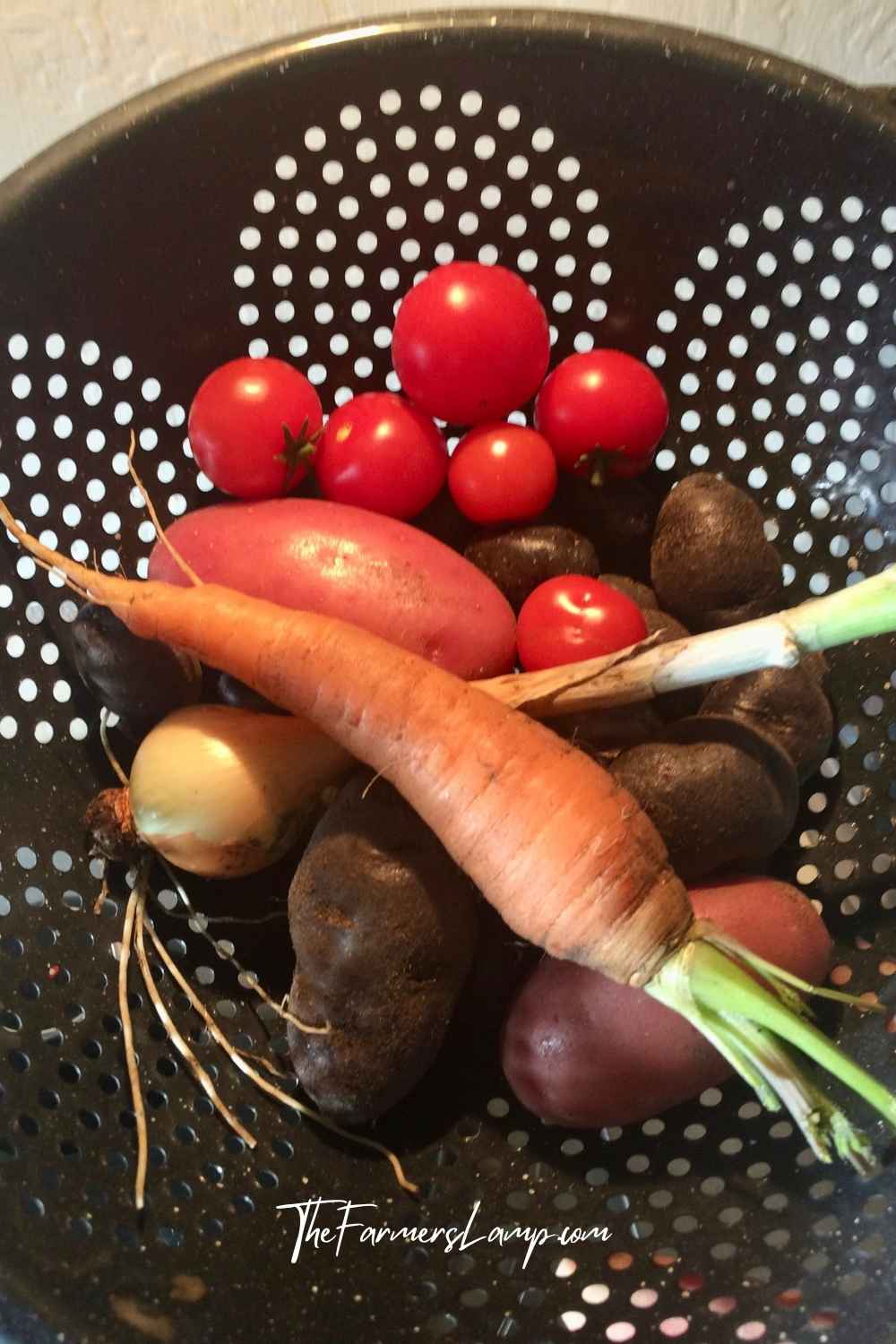
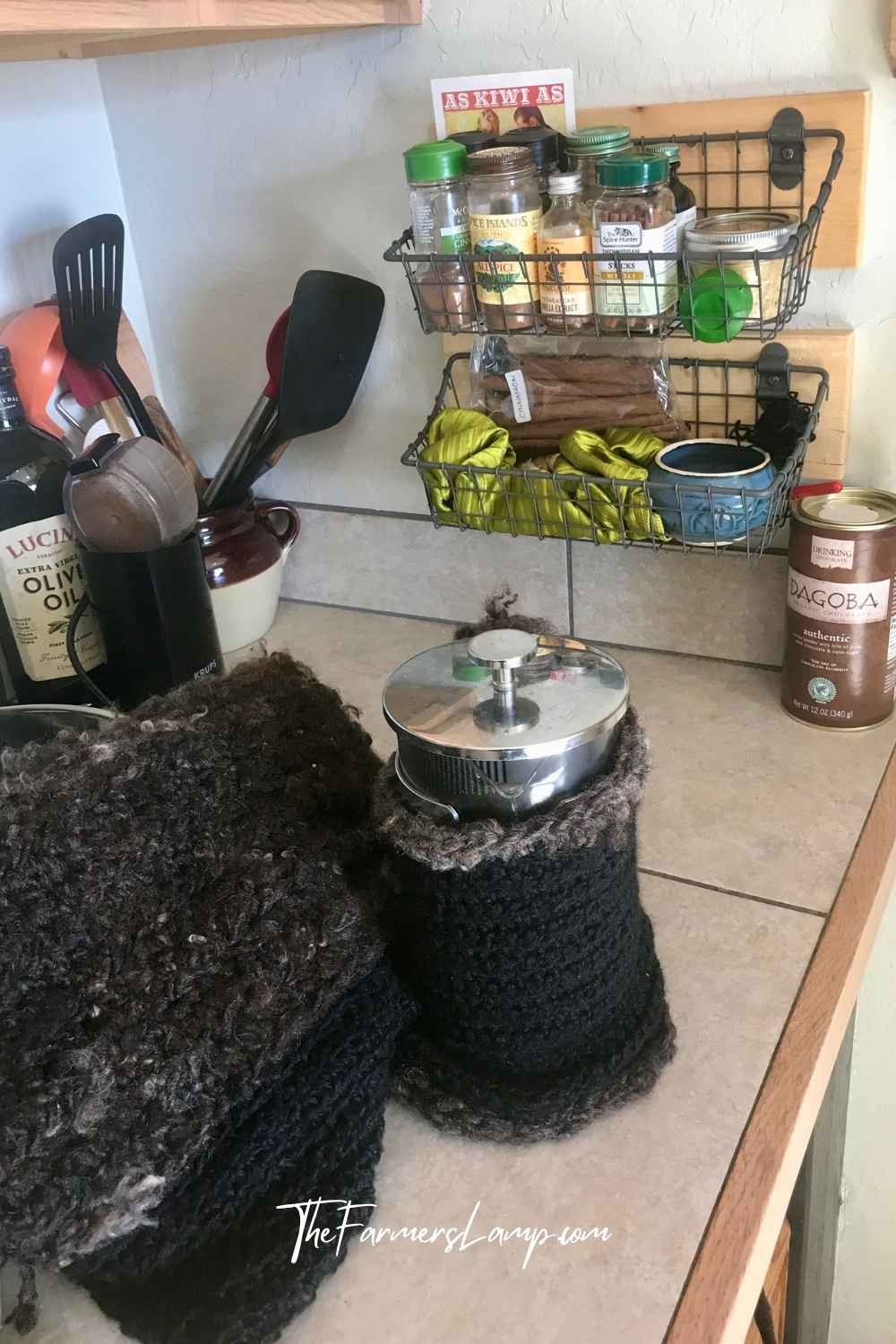
This one costs nothing to start, and it pays back immediately. Every meal you make from real ingredients is a meal that skips the additives, the packaging, and the markup.
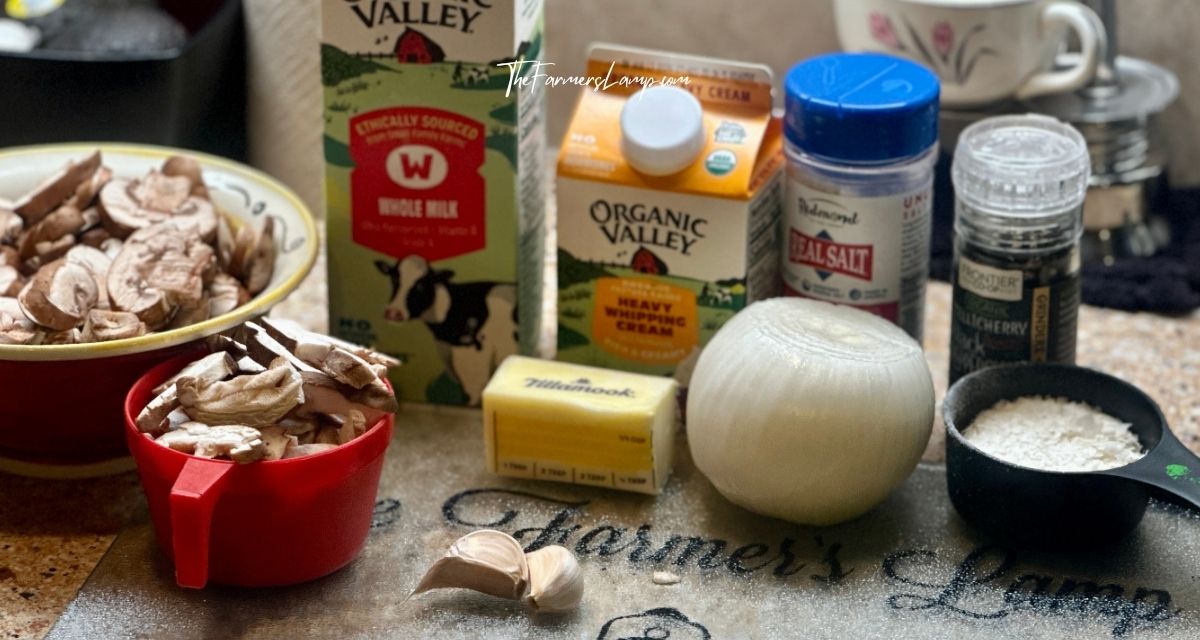
You do not need to overhaul your whole kitchen. Pick one thing you currently buy and learn to make it. Bread. Salad dressing. Ketchup. Chicken stock from the carcass you were about to throw away. Cream of mushroom soup (this one freezes well!) Cook it enough times that you stop needing the recipe. Then pick the next thing.
Scratch cooking is also the skill that makes every other item on this list worth doing. A bulk purchase on flour is only useful if you know what to do with it. Start with some tips on from-scratch baking basics if you want a place to jump in.
3. Build DIY Self-Reliance Skills (Fix It Before You Replace It, Repurpose It)
Repair is where the homesteading mindset shows up loudest. Three good places to begin:
- Basic sewing. Sew a button, patch a knee, hem a pair of pants. A simple, low-cost sewing kit and one afternoon on the couch covers most clothing repairs for years.
- Simple mechanical maintenance. Learn to change your own oil, air up and patch a bicycle tire, replace a chain. The free repair guides at iFixit cover bikes, appliances, and small electronics with photos for every step.
- Small woodworking projects. Building one useful thing from a plan teaches you tool safety, measuring, and the confidence to try the next thing. Here’s a helpful book for beginner’s step-by-step for projects and learning tools.
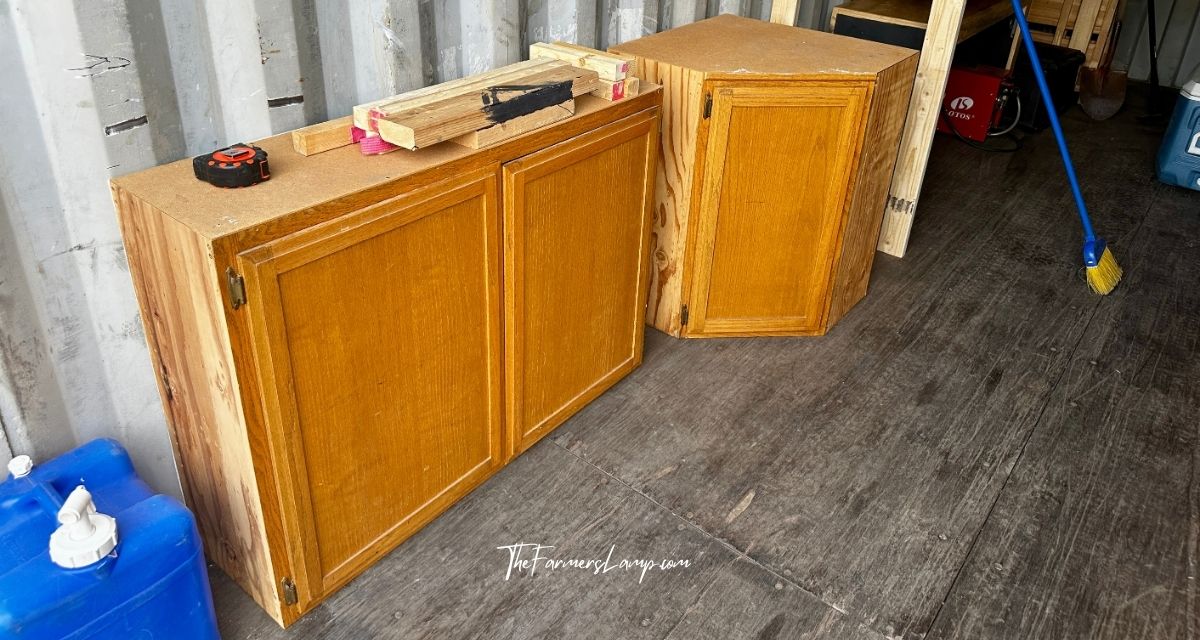
This is my favorite trick for finding woodworking projects. Watch the free listings in your local paper, the online swap groups, and the curb on trash day. People give away furniture that needs a small repair all the time. Take it apart. See how it was joined together, what held up, and what failed. You get a free lesson, a free project, and usually a piece of furniture at the end of it. Plus the bonus of often making new friends as you meet others in your local community.
The old cabinets in the photo above saved a neighbor a trip to the dump and became the base for a new workbench, making the next project even easier to build. More of a practical project and less on the pretty side, but the options and opportunities are infinite to be creative with, and the results will only improve as you learn.
If you are tight on space, choose something small like a jewelry box, or a shelf that you’ll be able to then use for storing your canned harvest!
4. Learn Your Local Fruit Trees and Shrubs (Free Food Hiding in Plain Sight)
This is the part of urban homesteading almost nobody thinks about, and it is my favorite. Towns are full of fruit that nobody harvests.
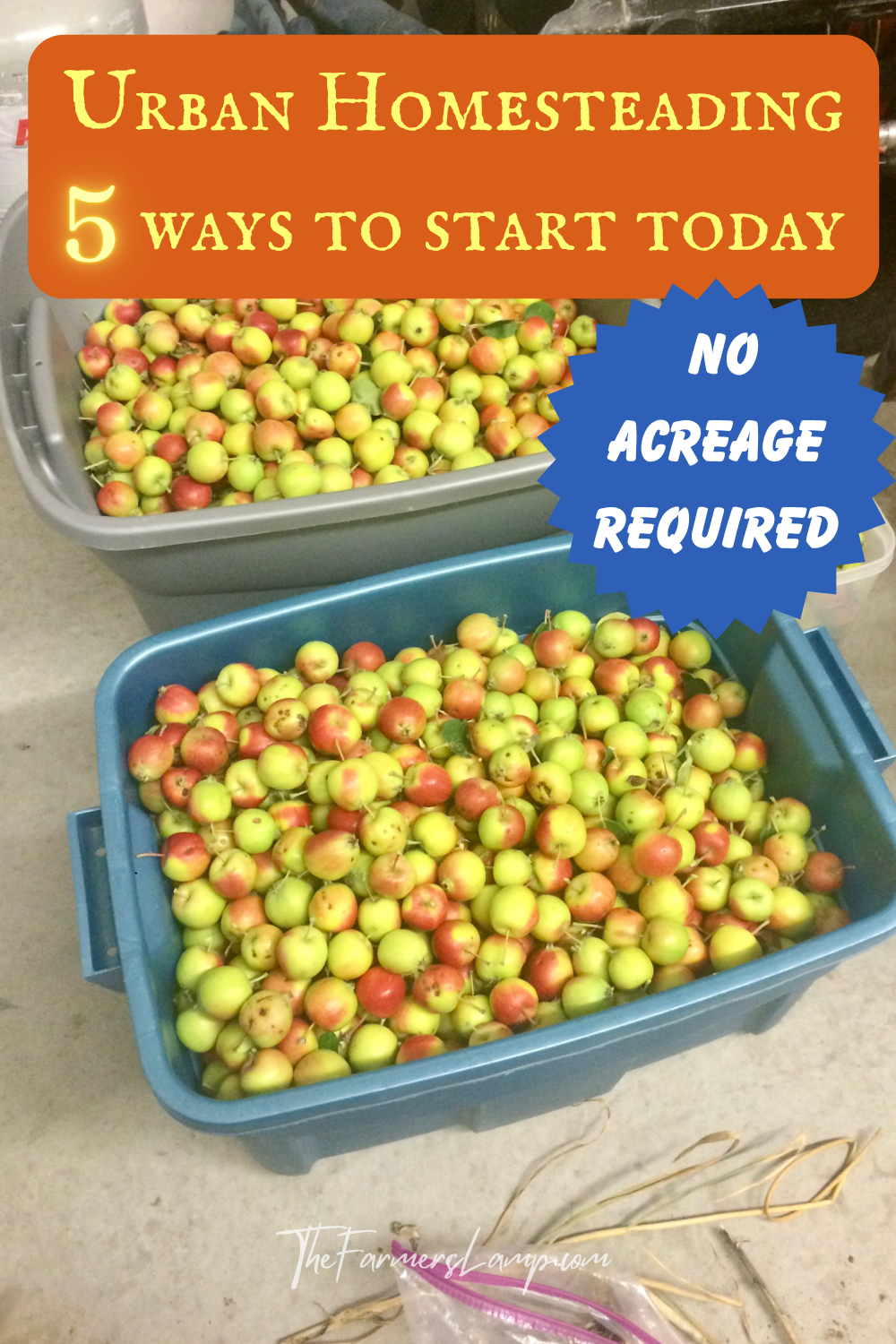
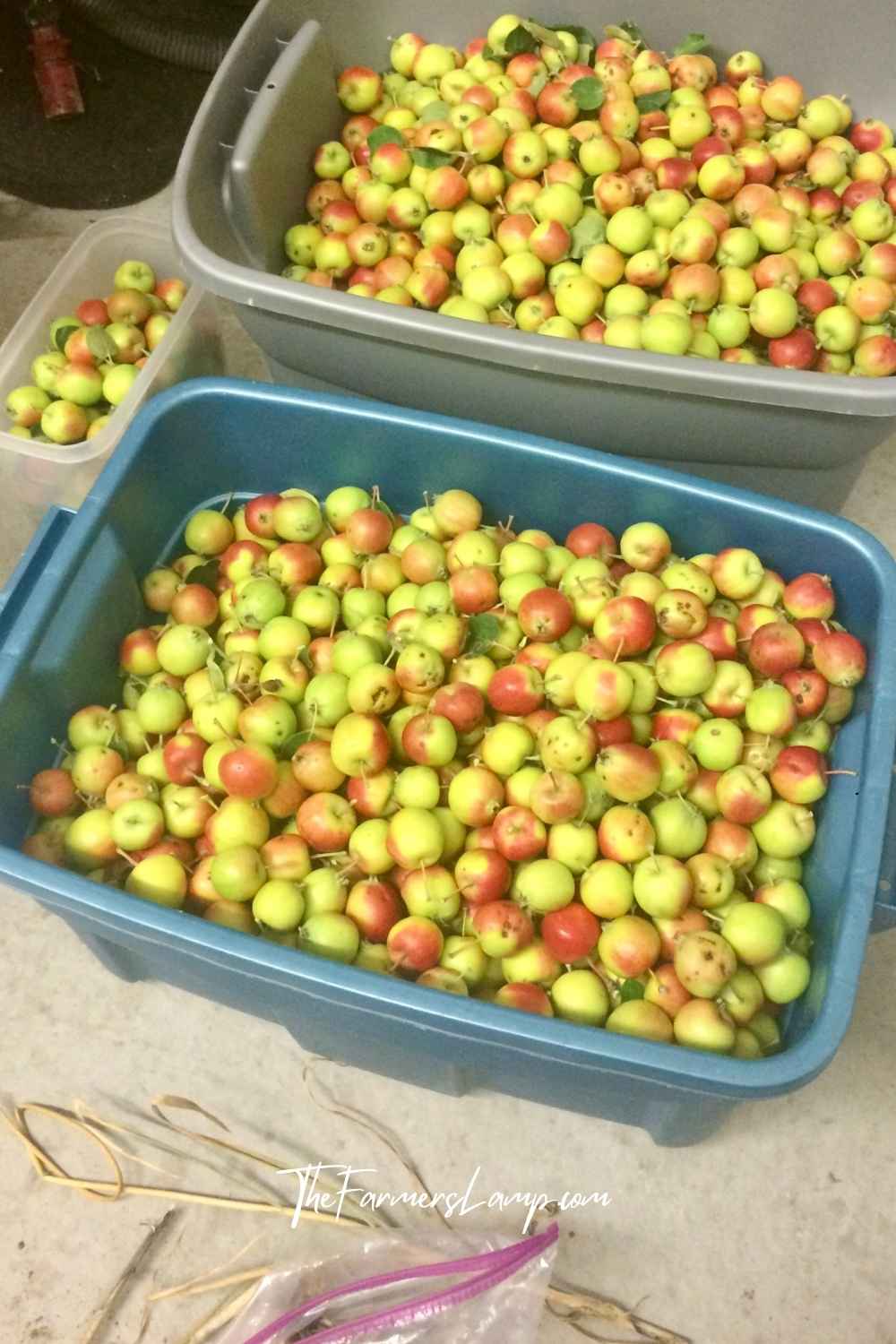
One of my best crab apple trees was on the property of a local lumber yard. Not all crab apples are worth eating, but this one was a large, genuinely good variety that turned into the most delicious apple sauce. I talked to the owner, and he was thrilled to let me pick it. To him, the tree was just landscaping, and every apple that dropped was a mess he had to clean up. I have my eye on another one in the post office lot, and I plan to ask the postmaster whether anyone has claimed it.
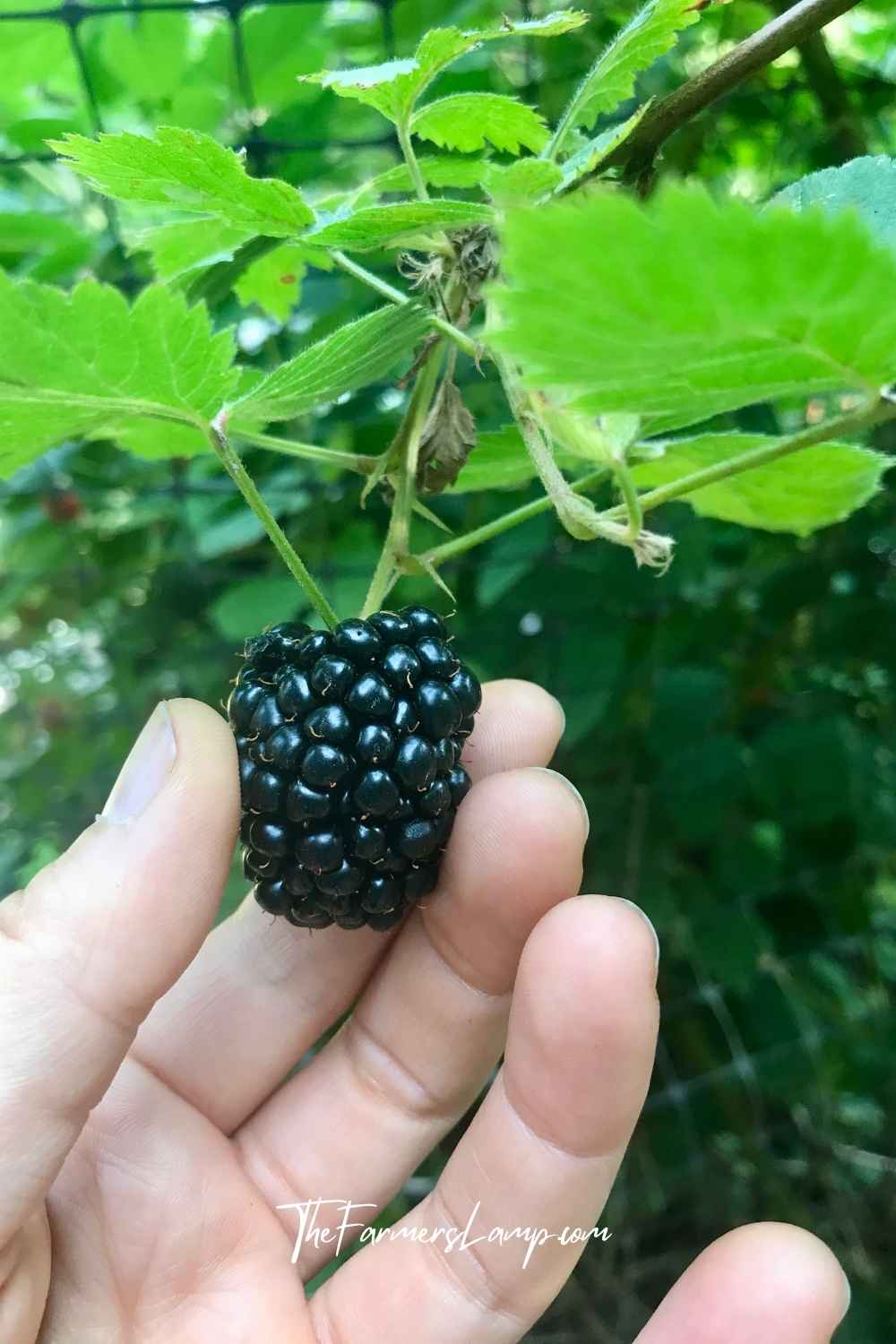
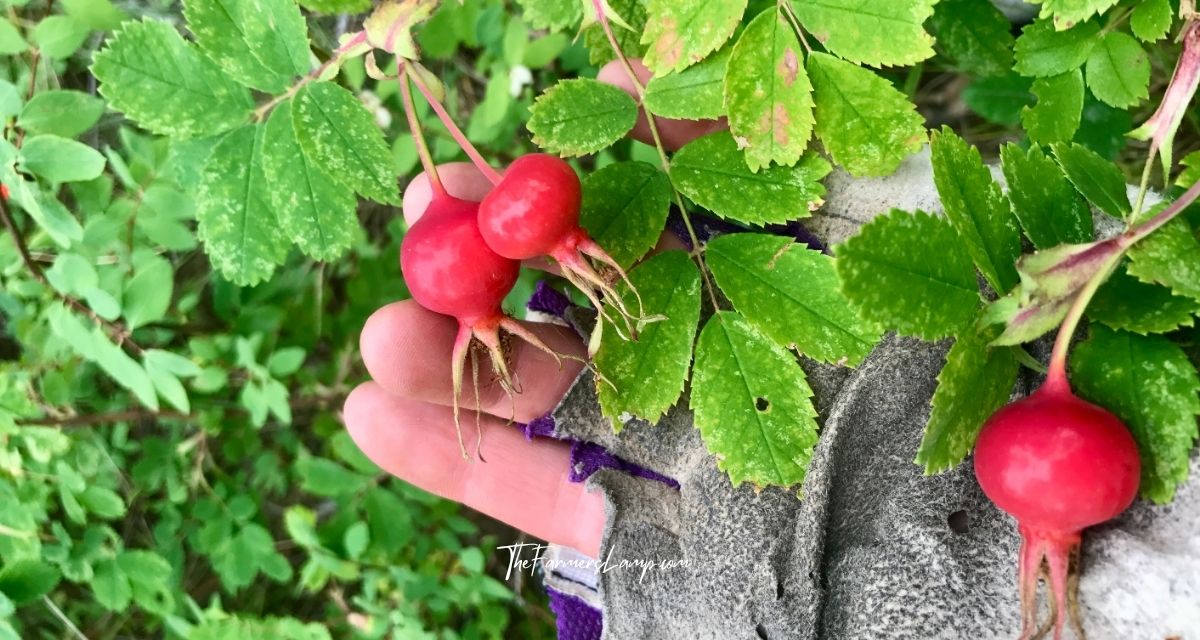
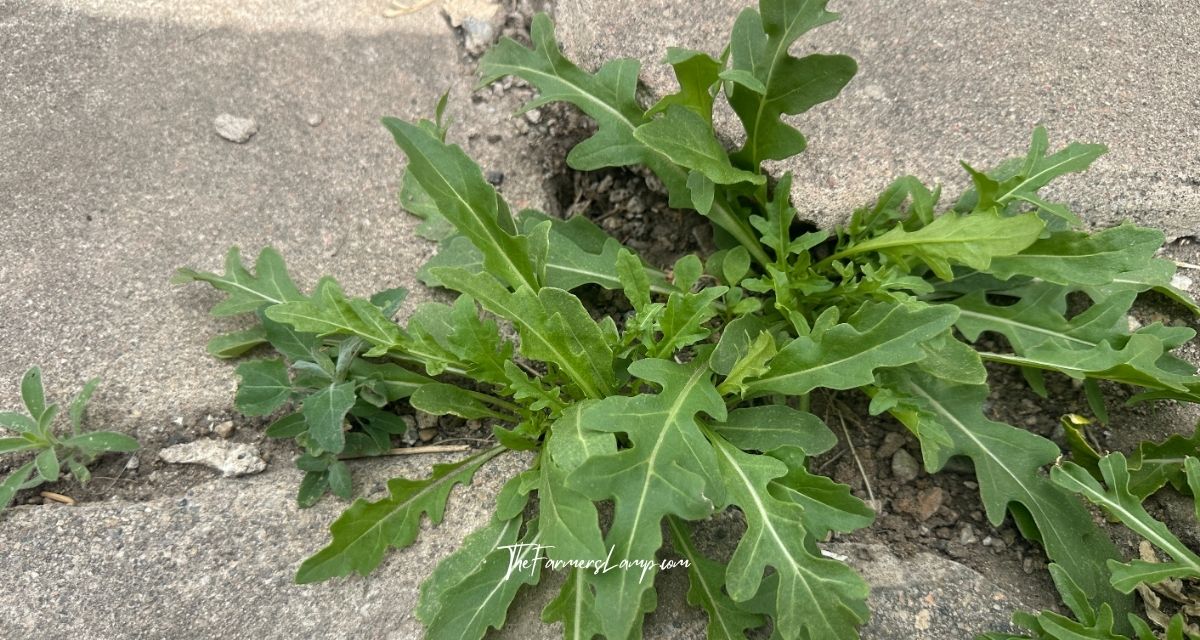
Once you start looking, you see it everywhere. Rhubarb going wild in alleys behind older houses, planted by somebody’s grandmother and forgotten. Cherries, plums, and apricots planted years ago in the older parts of town. Walk your neighborhood and pay attention. Then knock on the door and ask. Most people say yes, especially if you offer to share the bounty with them, and some of them do not even know what they have is edible, or they aren’t able to pick the fruit and are glad to see it not go to waste.
Two rules before you pick. Always get permission, every time, no exceptions. And check the location for pollution sources before you harvest. If the rhubarb is sitting where road runoff drains straight into it, walk away and find another patch. Here’s some tips to get you started on preserving food after a harvest for when you find your treasure tree!

5. Stock a Pantry That Fits the Space You Have (Buy Well, Preserve, Tuck It In)
Buy in season when the price is lowest, and the quality is highest. Farmers markets, bulk food stores, and a weekend drive out to a farming area will fill your kitchen for a fraction of grocery store prices. Then preserve it. Canning, freezing, and dehydrating all turn a short glut into months of eating. Our beginner canning guide is a good first stop, and the National Center for Home Food Preservation publishes tested, research-based processing times you should follow exactly.
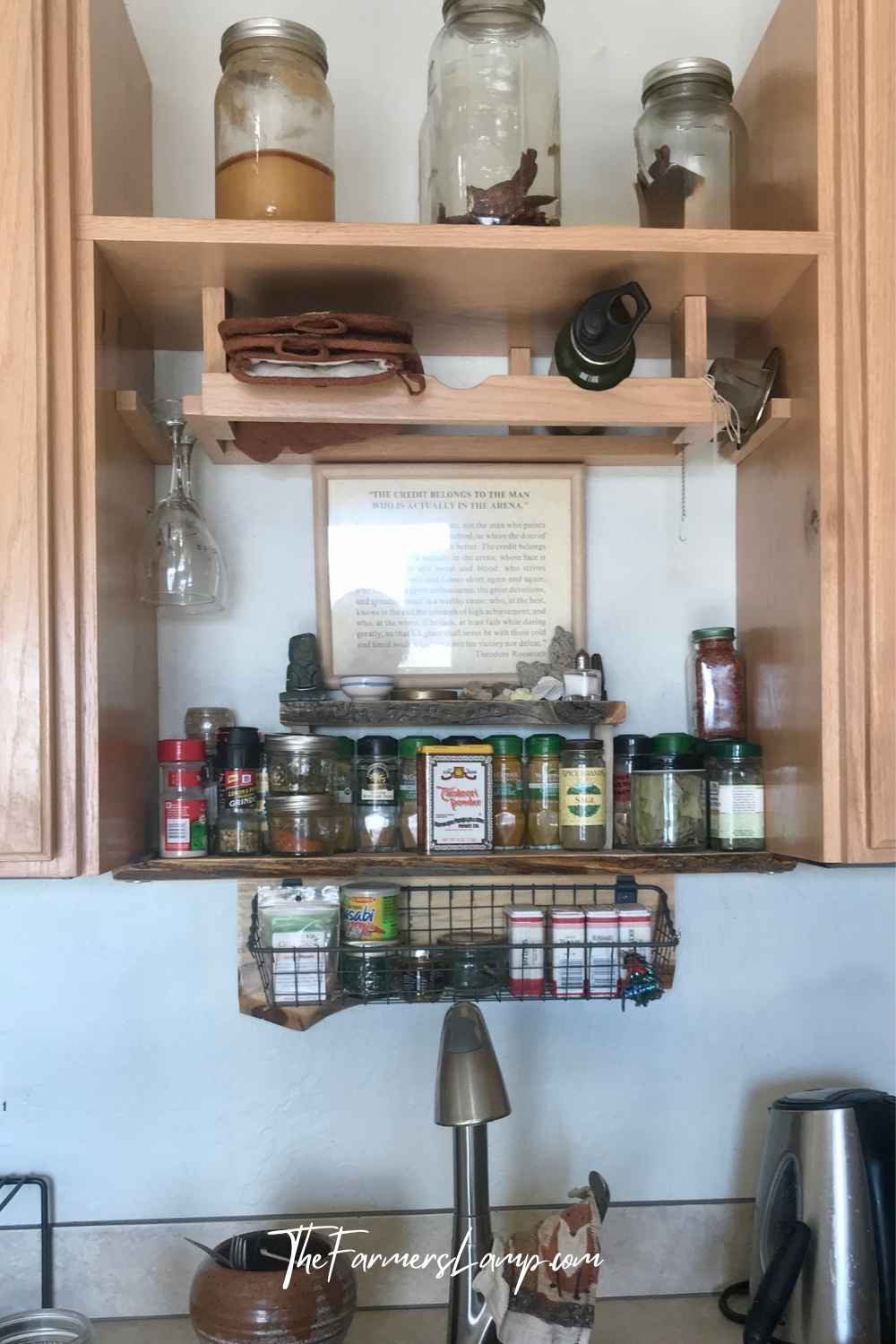
Short on storage? Look harder at the space you already have. I have lived in small places for years as part of my version of sustainable living, and I am still surprised at how a nook can be reimagined to fit the need. Raise a bed and build storage underneath. Add a shelf in a corner and let the jars be the decoration, assuming they last that long.
Sometimes the answer is not more storage. Some mornings I sit down with a cup of coffee, look around the room, and realize the things in my space no longer serve the life I am actually living. That is the day to pass a few things forward or trade them for something that does.
Your Urban Homesteading Starter Checklist
- Plant one container this week with something you already like to eat. Maybe it is mint on the porch.
- Pick one packaged food you buy regularly and learn to make it from scratch.
- Buy a basic sewing kit and repair a damaged item in your closet.
- Walk your neighborhood and note every fruit tree, berry bush, and rhubarb patch you see. Don’t know what it is? Snap a photo to look it up.
- Ask one property owner for permission to harvest this season.
- Clear and claim one shelf, corner, or under-bed space for pantry storage.
It is these small steps that build skills and mindset, and that homesteading resilience follows as you bring more of your version of sustainability into your life.

Pros and Cons of Urban Homesteading
The honest tradeoffs, so you know what you are signing up for.
What works in your favor:
- Low startup cost. Most of these skills need under fifty dollars to begin.
- Everything is close. No fence line to walk, no barn chores at five in the morning.
- Community is dense. More neighbors means more trading, sharing, and free fruit trees.
- Skills transfer completely if you move to land later.
What you will run into:
- Space limits how much you can produce. You will supplement your food, not replace it.
- Livestock is usually off the table, and city ordinances may restrict even a few hens.
- Rentals limit permanent changes, so lean on containers and portable setups.
- Storage takes creativity and a willingness to let go of things you no longer use.
FAQs: Urban Homesteading
Do I need a yard to start urban homesteading?
No. Cooking from scratch, repair skills, foraging local fruit trees, and pantry stocking all work with zero outdoor space. A sunny windowsill will handle herbs and microgreens, and a shared balcony will hold a few containers.
What is the difference between homesteading and urban homesteading?
The mindset is the same. The scale and the setting are different. Urban homesteading applies self-reliance, sustainable living, and old-time skills to a smaller space in town instead of acreage in the country.
How much money do I need to get started?
Less than most people expect. A packet of seeds, a bucket with drainage holes, and a basic sewing kit will get you moving for under twenty dollars. Almost everything else on this list is a skill, and skills are earned over time.
Is it legal to pick fruit from trees in my town?
Only with the property owner’s permission. Fruit hanging over a public sidewalk still belongs to the tree owner in most places. Ask first, every time, and check your city ordinances for trees on public land.
Can I keep chickens in an urban homesteading setup?
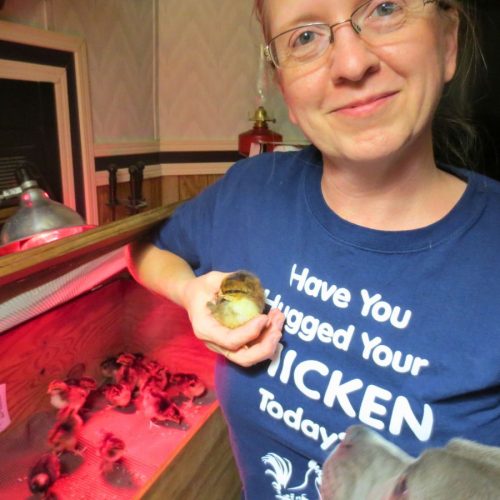
Sometimes, depending on your city. Many towns allow a small number of hens with no roosters, often with a coop setback requirement. Call your city clerk or check the municipal code before you buy birds.
What should I learn first if I only have time for one thing?
Cook from scratch. It costs nothing to start, you practice it daily, and it makes every other skill on this list more useful.
Can I really do this while renting?
Yes. Containers move with you, food preservation needs no permanent changes, and repair skills live in your hands. Focus on portable systems and skills rather than built-in structures.
You do not need a deed to a hundred acres to live this way. You need attention, a willingness to ask your neighbor a question, and the nerve to try something you have not done before. Start with one item off that list this week and let it build.
Which one are you starting with? Tell us in the comments, and if you have found a forgotten fruit tree in your town, we want to hear about that too.
Want more urban homesteading help like this? Become a Friend of the Farmer’s Lamp for free. Join The Farmer’s Lamp newsletter to get homestead support from folks just like you.