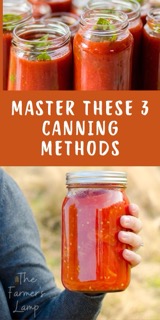
Have you ever looked at a basketful of fresh tomatoes or green beans and thought, “How am I going to save all this?” That’s where good old-fashioned canning comes in. Learning the right canning methods helps you preserve the taste of your garden all year long—and it’s easier than you might think.
Today, let’s sit down and talk about canning methods—what they are, why they matter, and how you can use them to stock your pantry with homegrown goodness, safely and simply.
In This Post
Canning Methods: A Down-to-Earth Guide to Preserving Your Harvest
There are all kinds of methods and recipes for canning foods. But which method works best with which food? This is a rather important consideration because incorrect methods can result in spoilage, unsafe foods, and/or wasted time and money. Here is a sampling of canning methods for various foods.
Why Canning Methods Matter
Folks have been preserving food for generations, but not all methods are created equal. Different foods need different handling to keep them safe and tasty. Using the right canning methods not only prevents spoilage but also keeps your hard work from going to waste.
Whether you’re a beginner or just brushing up, knowing which method to use for each type of food gives you peace of mind. It’s about preserving not just the food, but the time and love you put into growing or gathering it.
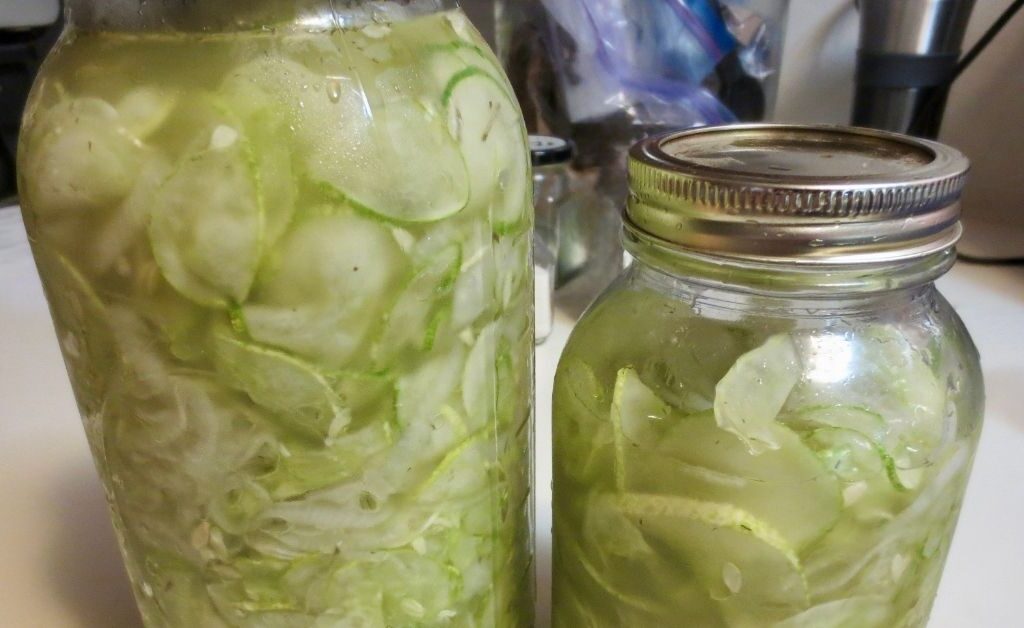
The Three Tried-and-True Canning Methods
Let’s break down the main canning methods you can use, depending on what you’re preserving.
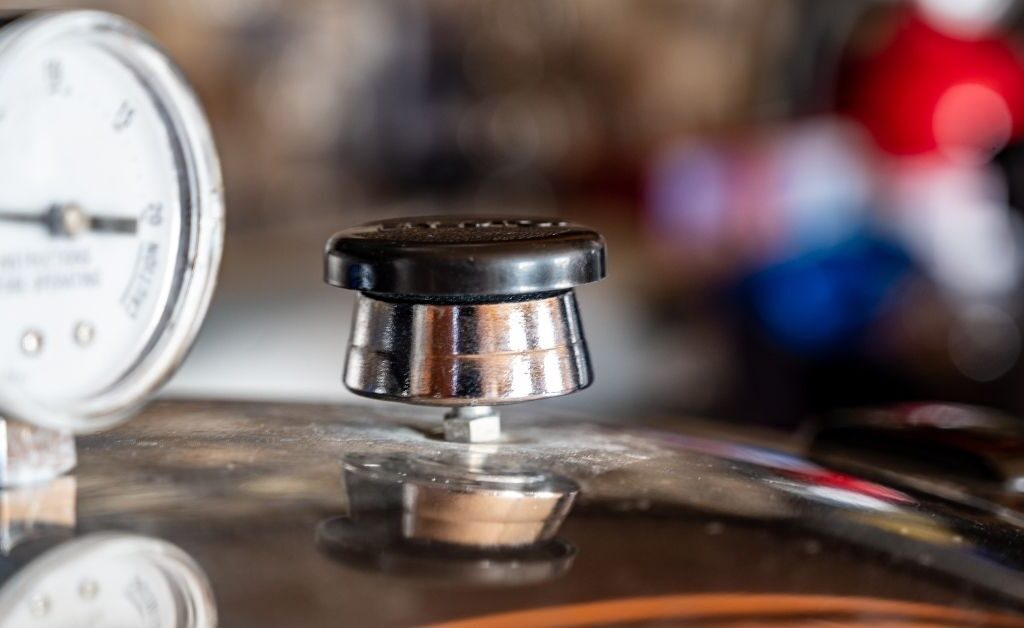
Pressure Canning: For Low-Acid Foods
Pressure canning is a must for foods that don’t have much natural acid—things like green beans, meats, and carrots. Without enough acid, bacteria can grow more easily unless you bring the temperature way up—and that’s just what a pressure canner does.
Here are some low-acid foods perfect for pressure canning:
- Asparagus
- Corn
- Meat and fish (Step-by-Step Guide to Pressure Canning Meat)
- Potatoes and carrots
- Beans (such as pinto or kidney)
- Spinach, kale, cabbage, and other greens
- Green Beans
- Apples
- Pears
Your great-grandparents didn’t use pressure canners, you may be thinking. Why should you? Well, we’ve learned a lot about microbes and food spoilage since our great-grandparents’ day. One of the things we’ve learned is that you need really high temperatures for a certain amount of time to kill bacteria, especially if those foods are low-acid. High-acid foods are less hospitable to bacteria, so not quite as high a temperature is needed to prevent bacteria from growing.
Pressure Canning Kitchen Equipment
There are a lot of canners to choose from. Here’s a pressure canner we like, and here’s a kit of handy home canning kitchen tools to go with it. These make canning safer (and easier!)
Hot Water Bath: Great for High-Acid Foods
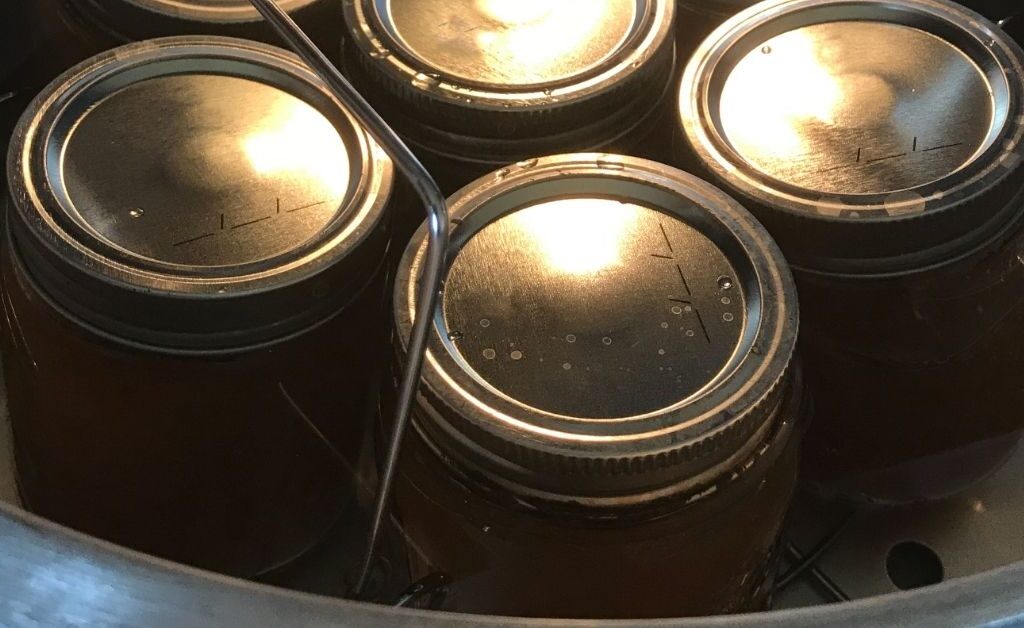
If you’re working with fruits or anything pickled, the hot water bath method is your friend. The natural acid in foods like berries and tomatoes—or added vinegar in pickles—helps keep bacteria at bay, so you don’t need the higher temps of pressure canning.
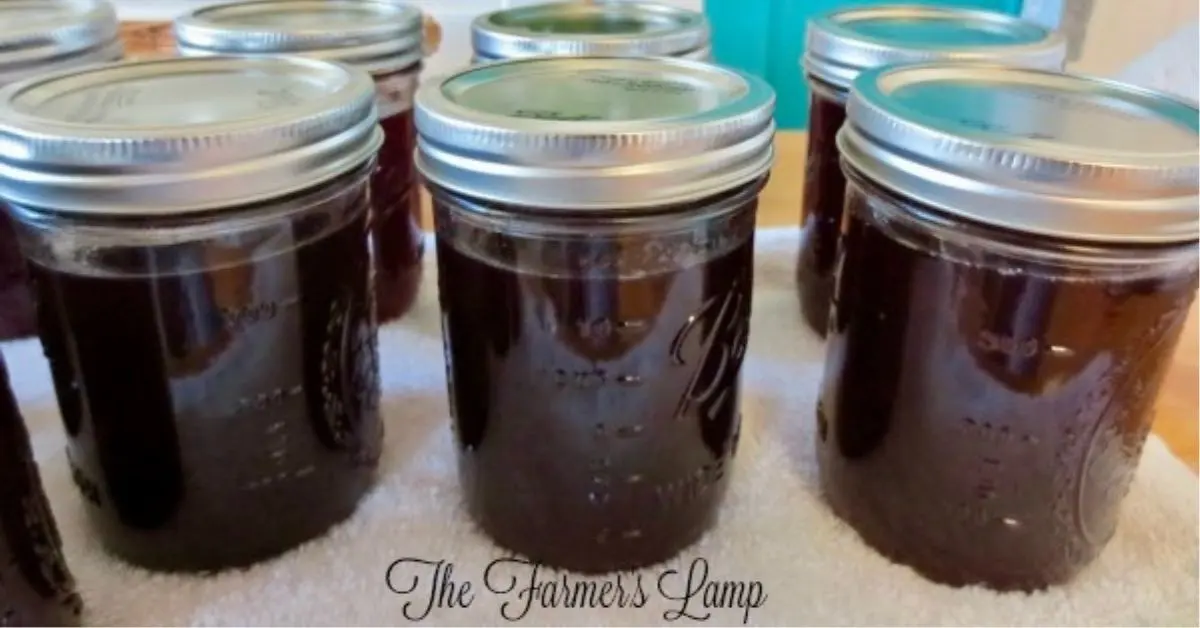
A hot water bath is when you place the filled jars in a deep kettle, pouring in water, and simmering them for 10 minutes or so (your canning recipe will give an exact time).
This works well for high-acid foods, such as the following:
- Berries
- Tomatoes (low-acid varieties of tomatoes are best pressure canned)
- Citrus fruits
- Pineapple
- Cucumber pickles (the vinegar in the recipe makes the food very acidic)
Get Saucy: Hot Water Bath Canning for Sauces
Surplus apples, pears, and tomatoes can be made into sauces such as salsa, spaghetti sauce, straight tomato sauce, and apple or pear sauce. Follow your favorite recipe for making the sauce of your choice, then freeze, pressure can, or place in a hot water bath.
Hot Water Bath Kitchen Equipment
Nostalgia might be swaying us a bit here, but we are still fans of the classic enamelware water bath canning pot and kitchen tools that go with it! But, here’s a stainless steel option that we will try someday if our enamelware pot ever fails us.

Freezer Canning: A Quick and Easy Option
While not “canning” in the strictest sense, freezer canning is another way to preserve food. This is one of the fastest ways to preserve foods in freezer-safe jars.
You can put the whole food into the jar, pour sugar syrup, broth, or water around it, and freeze. You can also puree the food, cook it down into a sauce or jam, and freeze it that way. It’s a quick option that’s perfect for busy times when you can’t get to traditional canning right away.
Here are some foods that work well with the freezer canning method:
- Meats
- Berries
- Strawberries
- Citrus fruits
- Tomatoes and homemade salsa
- Corn
- Homemade salsa
Important Tip: Make sure you leave a good inch and a quarter of air space between the food and the top of the jar.
Other Old-Time Food Preservation Ways: Vinegars and Oils
Another old favorite is preserving herbs and berries in vinegars or oils. While not truly canning, it’s a tried-and-true way to keep flavors on hand for cooking or salad dressings. You pour oil or vinegar around lightly packed foods such as these great choices:
- Raspberries (especially in vinegar)
- Herbs such as basil, sage, mint, lemon balm, and rosemary
- Garlic
It’s a simple, delicious way to stretch your garden flavors into winter. (If you want another option to keep more of your herbs to enjoy in the off-season, read our how-to guide on properly freezing herbs.)
Real-World Tips for Safe Canning
- Follow tested recipes: Don’t guess at times or temperatures—safe canning depends on getting these right. Adjust for your elevation as per your canning equipment and recipe.
- Label everything: Date and name your jars. When shelves fill up, it’s easy to lose track.
- Check your equipment: Make sure your pressure canner and seals are in good working order each season.
And remember, as an old saying goes, “Do it right or do it twice.” When it comes to canning methods, a little care now saves a lot of disappointment later.

Canning Is More Than Preserving Food
Learning about canning methods is more than a chore—it’s a tradition that connects us to the past and prepares us for the future. It’s the kind of old-time wisdom we love to share around here at The Farmer’s Lamp.
Whether you’re putting up your first batch of pickles or restocking the pantry with jars of garden bounty, you’re part of a long, proud line of folks who know the value of doing it yourself.
Looking for more tried-and-true advice?
- Find more gardening and harvesting tips here
- Learn about sustainable living practices
- Explore from-scratch recipes for your preserved harvest
And be sure to check out our TFL Library for eBooks full of old-timey wisdom on canning, gardening, and more.
Tell us in the comments: what’s your favorite thing to can, and which method do you swear by? We’d love to hear your stories and swap some good, old-fashioned advice.